SafeReel Training
$8per employee / month
5-seat minimum · $40/month minimum total
Workplace safety awareness courses for your crew. Invite employees, assign training, track progress and keep completion records in one place.
Annual option: $79 per employee / year
- Employee training assignments
- Progress & quiz completion tracking
- Exportable training records
- Narrated lessons & synced captions
Crew completion
92%
- Forklift Operator Safety● Complete
- Heat Illness Prevention● Complete
- Lockout/Tagout Awareness● Due Fri
- Fall Protection● Complete
$8
Per employee / month
121
Training courses
25+ yrs
Field safety experience
$19
Individual courses from
Pick how you want to train
Start with monthly team seats for employees, or choose an individual course or personal all-access plan. Every module includes narrated scenes, synced captions, a quiz with explanations, and a printable compliance packet.
Team training — $8 per employee / month
5-seat minimum ($40/month total) · Annual option: $79 per employee/year
Invite employees, assign courses, track progress and export training records.
Individual All-Access Monthly
$49/month
- Every module in the library
- New modules as they're added
- Cancel anytime — access runs to the end of your paid period
Individual All-Access Yearly Save ~20%
$470/year
- Everything in monthly
- Two months free versus paying monthly
Course bundles
One purchase unlocks every course in the group for good.
Construction Focus Four Bundle Save $87
All four in-depth Focus Four courses — falls, struck-by, caught-in/between, and electrocution — about 1 hour 45 minutes of training.
- Fall Hazards in Construction
- Struck-By Hazards in Construction
- Caught-In or -Between Hazards
- Electrocution Hazards in Construction
$149
one-time · $236 separately
Forklift Program Bundle Save $86
Five forklift awareness courses — operator safety, detailed pre-operation inspection, charging and refueling, pedestrian safety, and loading docks.
- Forklift Operator Safety: Inspect, Control, and Protect
- Forklift Pre-Operation Inspection (Detailed)
- Forklift Charging and Refueling: Electric, Propane, and Diesel
- Forklift Pedestrian Safety
- Loading Dock & Trailer Safety
$149
one-time · $235 separately
DOT HazMat Bundle Save $87
All four DOT hazmat awareness courses — general awareness, ground shipping, highway driver, and in-depth security.
- DOT Hazmat General Awareness, Safety, and Security Awareness
- DOT Hazmat Ground Shipping Function-Specific Training
- DOT Hazmat Driver Training: Highway Transport of Hazardous Materials
- DOT Hazmat In-Depth Security Training: Security Plan Foundations
$149
one-time · $236 separately
MEWP Bundle: Boom and Scissor Lifts Save $146
Five boom lift and scissor lift awareness courses — scissor lift safety, pre-start inspections, and charging and refueling for both lift types.
- Scissor Lift Safety: Stable, Guarded, Clear
- Scissor Lift Pre-Start Inspection (Detailed)
- Scissor Lift Charging and Refueling: Electric, Diesel, and Propane
- Boom Lift Pre-Start Inspection (Detailed)
- Boom Lift Charging and Refueling: Electric, Diesel, and Propane
$149
one-time · $295 separately
Why teams choose SafeReel
121 courses · OSHA 29 CFR 1910 & 1926 · DOT 49 CFR hazmat · California SB 553, harassment & IIPP · built by Safety People LLC
Verifiable completion certificates
Every learner who passes a course quiz gets a certificate with their name, course, date, score, and a unique verification code anyone can check.
Certificate of Completion
Jane A. Worker
Forklift Safety: Operate, Inspect, Protect
Completed Oct 1, 2026 · Score 92% · Verify: SR-7K2Q-9D4X
SafeReel Training · a Safety People LLC Company
Frequently asked questions
Built by safety professionals
SafeReel Training is a Safety People LLC company — the team behind SafetyPeoplePRO. Every course is written from the cited OSHA, DOT, and California regulations, not recycled stock content.
Secure checkout, instant access
Payments are processed securely by Stripe — we never see your card. Your course is ready the moment payment completes, and individual purchases never expire.
Refunds
Not what you expected? Refunds are covered by our 30-day guarantee — reply to your purchase receipt or email support@safereel.app to start one. Subscriptions can be cancelled anytime.
From the team behind SafetyPeoplePRO
Training is one piece. Run your whole safety program in one place.
SafetyPeoplePRO tracks inspections, incidents, hazard observations and corrective actions — and SafeReel courses send training results straight into it. Need hands-on help? Safety People offers IIPP reviews, mock OSHA inspections and on-site training across Southern California.
Not ready to buy?
Get new course announcements and safety training tips from SafeReel. No spam — unsubscribe anytime.
Individual modules
$19 for short modules (under 10 minutes) · $29 standard · $59 long-form (15+ minutes) · free to add with an active subscription
Download course catalog (PDF)
DHS/FBI Run-Hide-Fight guidance; OSH Act 5(a)(1); 29 CFR 1910.38
Active shooter awareness and response using the DHS/FBI Run, Hide, Fight framework: evacuation, lockdown and barricading, last-resort defense, calling 911, interacting with law enforcement, accountability and bleeding control, and recovery and prevention.
View course details →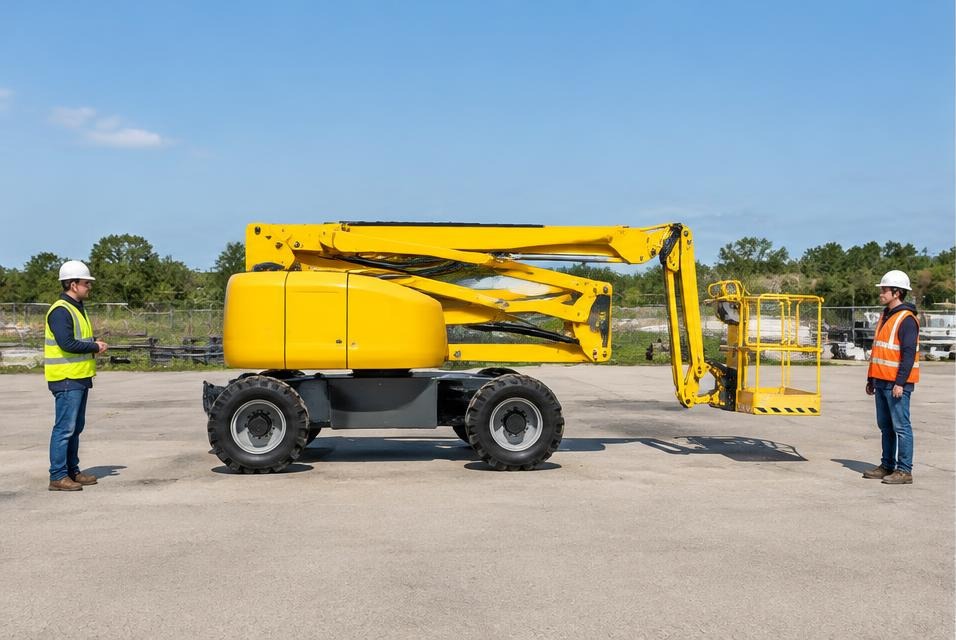
OSHA 29 CFR 1910.67; construction: 1926.453
Boom-lift awareness covering trained operation, inspections, ground conditions, fall protection, electrical and crushing hazards, capacity, weather, travel, and emergency planning. Equipment-specific limits and separate scissor-lift rules are distinguished; this module does not authorize operation.
View course details →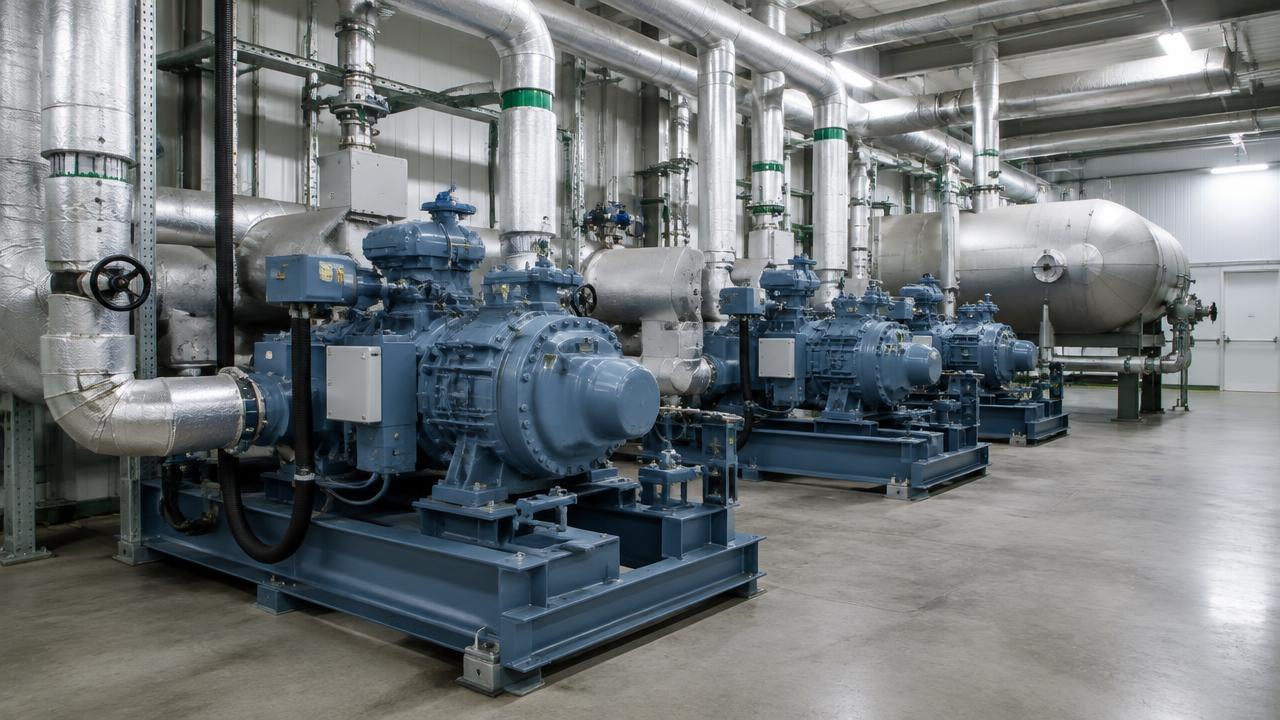
29 CFR 1910.111, 1910.119, 1910.120(q), 1910.132–134, 1910.151; 40 CFR 68, 355; 49 CFR 172–173; 8 CCR 5155, 5189, 5192(q); ANSI/IIAR 2-2021, 7-2025; NIOSH Pocket Guide
Awareness course for workers near anhydrous ammonia systems: health hazards, where leaks occur, OSHA/EPA rules and thresholds, release recognition, PPE, evacuation, emergency response roles, first aid, maintenance and contractor hazards, and farm/transport risks. Does not qualify anyone to operate, maintain, or respond to ammonia systems.
View course details →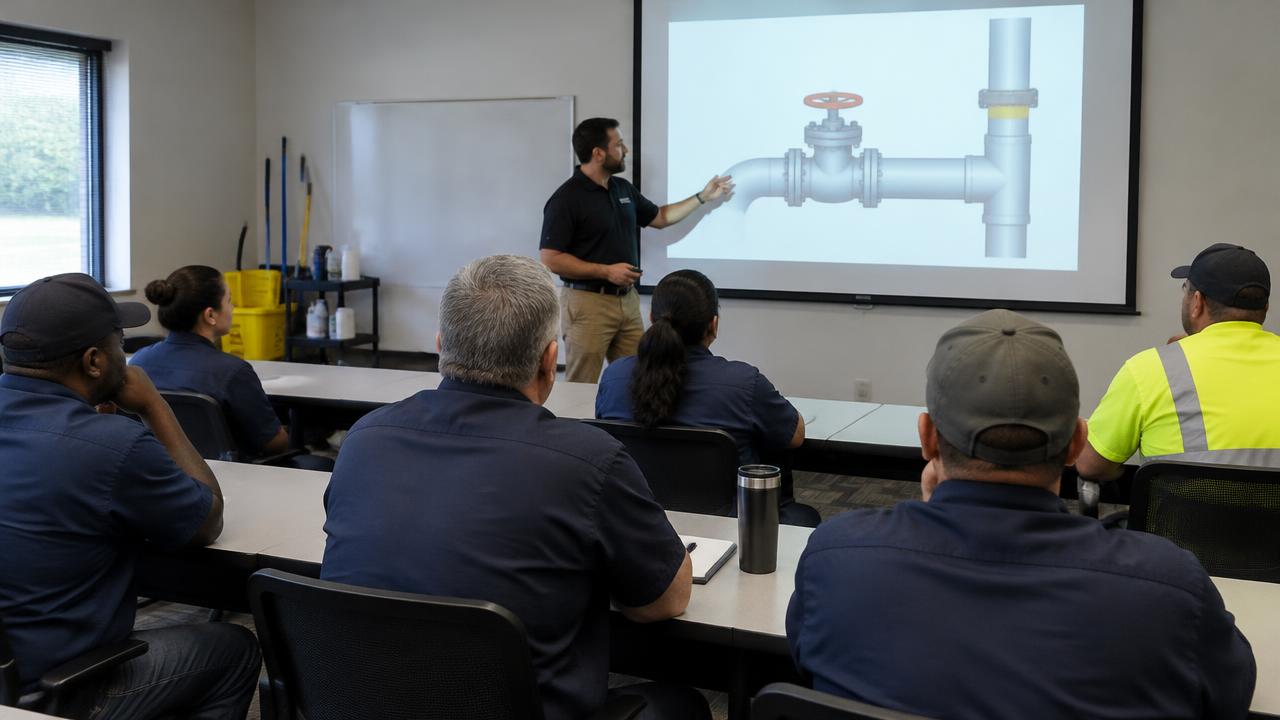
Asbestos Awareness (2-Hour)
120 min29 CFR 1910.1001(j)(7)(iv); 29 CFR 1926.1101(k)(9)(vi); 40 CFR 763.92(a)(1)
Full two-hour asbestos awareness course meeting the Class IV / 40 CFR 763.92(a)(1) duration requirement: health effects, latency and smoking, friable materials, where ACM and PACM are found, owner duties and building locations, recognizing damage, housekeeping and floor care rules, fiber release response, classes of work, abatement controls, exposure limits, records and rights, AHERA school rules, and real-world scenarios.
View course details →
ATV & UTV Safety
13 minOSH Act 5(a)(1); 29 CFR 1910.132; 8 CCR 3203, 3653; ANSI/SVIA 1-2023; ANSI/ROHVA 1-2023; 16 CFR 1420
ATV and UTV hazards for work crews: the difference between ATVs and side-by-sides, rollovers and ejection, protective gear and seat belts, pre-ride inspection, hills and slopes, passengers, hauling and towing, roads and water, parking and fueling, and working alone.
View course details →
OSH Act Section 5(a)(1); OSHA ergonomics guidance; construction: 1926.21(b)(2)
Back injury prevention awareness covering task assessment, manual handling, mechanical aids, carts, team handling, repeated strain, office work, early reporting, and control verification. Distinguishes guidance from legal requirements and avoids universal lifting limits or back-belt promises.
View course details →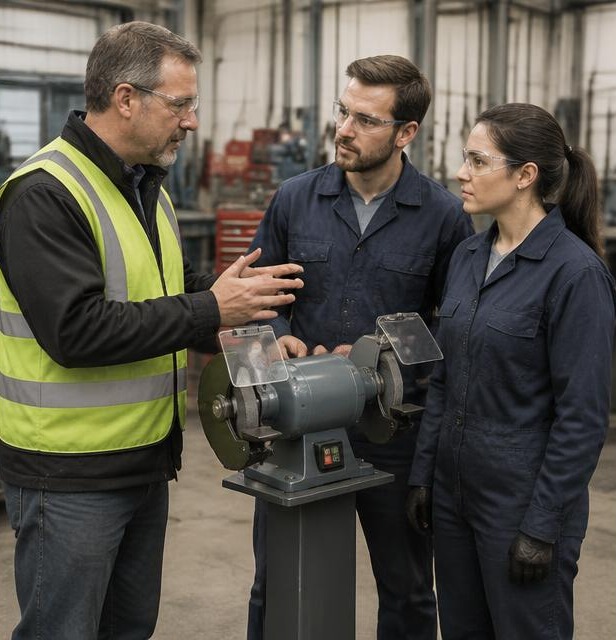
OSHA 29 CFR 1910.215; 1910.212; 1910.133
Bench and pedestal grinder awareness covering wheel hazards, anchoring, PPE, inspection, ring testing and speed ratings, mounting, guards and tongue gap, work rest adjustment, startup, grinding technique, dressing and fire prevention, shutdown, and energy control.
View course details →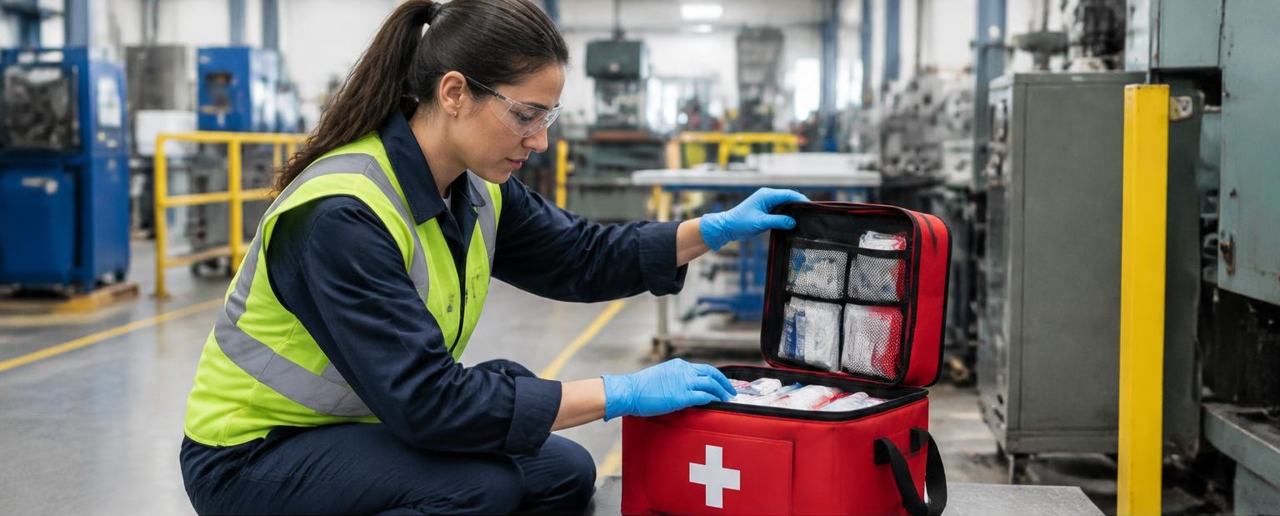
OSHA 29 CFR 1910.1030
Annual awareness training on bloodborne pathogens under OSHA 1910.1030: exposure, the exposure control plan, universal precautions, sharps and engineering controls, PPE, hepatitis B vaccination, spill cleanup and regulated waste, and post-exposure steps.
View course details →
29 CFR 1926.441, 1926.404, 1926.150, 1926.152, 1926.153, 1926.55; 1910.106, 1910.110, 1910.151(c), 1910.1000, 1910.132; NFPA 58 (2024)
How to safely charge electric and hybrid boom lifts, water batteries, refuel diesel units, handle diesel exhaust fluid, change propane on dual-fuel booms, respond to spills and fires, and control carbon monoxide, including required PPE.
View course details →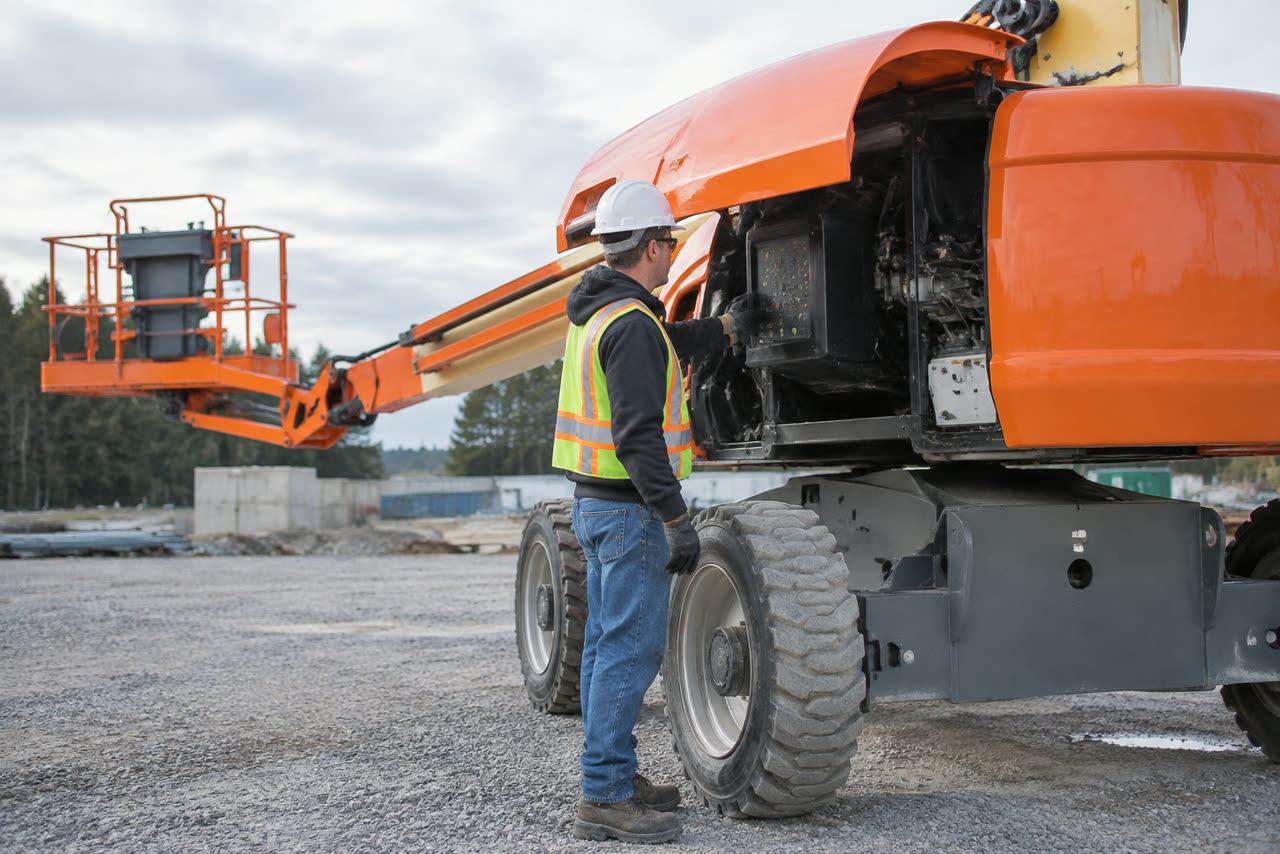
29 CFR 1926.453; 1910.67; 1926.1408; 1910.333; 1910.132; ANSI/SAIA A92.20-2021, ANSI/SAIA A92.22-2021, ANSI/SAIA A92.24-2018
A detailed boom lift pre-start inspection: out-of-service rules, harness and PPE, walkaround, tires and counterweight, boom structure and hydraulics, platform and anchors, engine and auxiliary power, control tests, drive and safety systems, workplace inspection including power lines, and documentation.
View course details →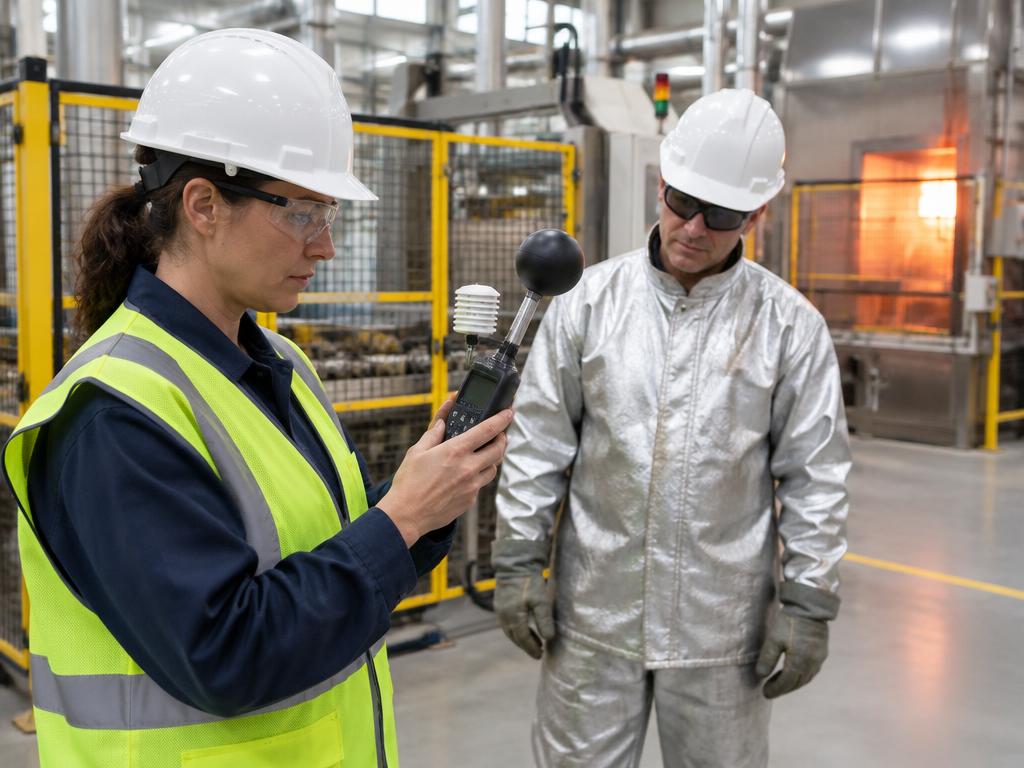
Cal. Code Regs. tit. 8 §3395; §3396 (indoor); §3203 (IIPP); NIOSH Criteria for a Recommended Standard: Occupational Exposure to Heat (2016)
California-specific outdoor heat rules: scope and definitions, water, shade at 80°F, preventative cool-down rest, high-heat procedures at 95°F, agricultural rest periods, acclimatization and 14-day observation, recognizing heat illness, emergency response, required employee and supervisor training, and the written Heat Illness Prevention Plan.
View course details →
Cal/OSHA 8 CCR 3203
Understand your Injury and Illness Prevention Program, access rights, safety contacts, hazard and injury reporting, task instructions, and your role in prevention.
View course details →Cal/OSHA 8 CCR 3203; 1509 (construction)
Build a working Injury and Illness Prevention Program: eight required elements, employee access, hazard correction, training triggers, records, and construction-specific additions.
View course details →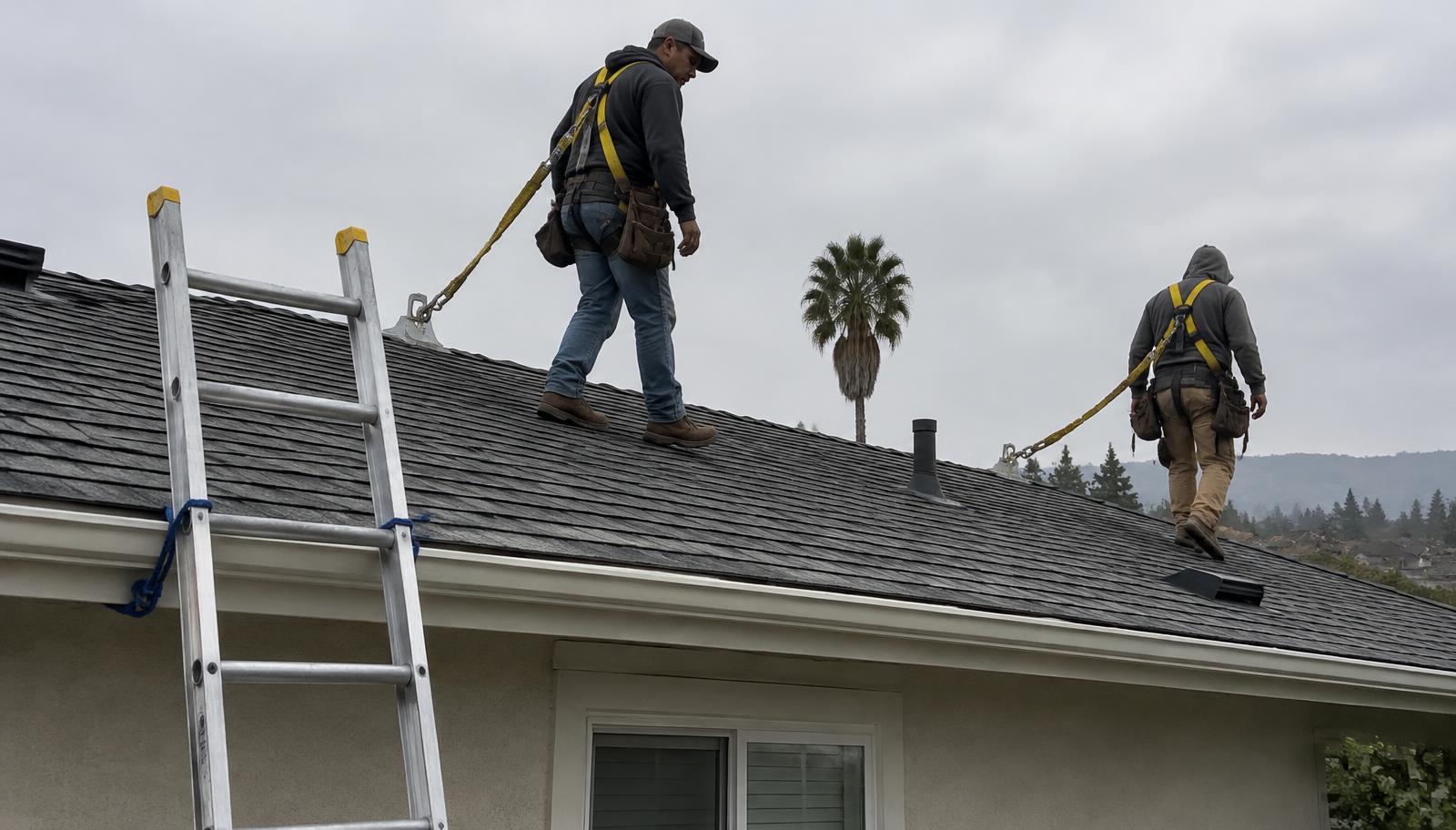
8 CCR 1724, 1730, 1731, 1509, 1510, 1620, 1670, 1671.1, 1671.2, 3276, 3203; 29 CFR 1926.502(i); Cal/OSHA Tailgate Topics: General Roofing and Roofing Fall Hazards (Residential), December 2025
Awareness course on California roofing fall protection: which rulebook applies to residential versus non-residential roofs, the height and slope triggers, the protection menu, roof jacks and crawling boards, catch platforms and eave barriers, personal fall arrest strength and rigging rules, inspection and rescue, skylights and covers, ladder access, and fall protection plans with safety monitors and controlled access zones.
View course details →
Cal. Gov. Code 12950.1; 2 CCR 11023–11024 (FEHA)
California’s required one-hour sexual harassment prevention course for employees: recognizing harassment, reporting, investigations, retaliation protection, bystander skills, and agency options.
View course details →
Cal. Gov. Code 12950.1; 2 CCR 11023–11024; FEHA
California’s two-hour supervisor course on preventing sexual harassment, harassment based on gender identity, gender expression, and sexual orientation, abusive conduct, and retaliation — covering FEHA and Title VII, quid pro quo and hostile work environment, supervisor and personal liability, receiving and reporting complaints, documentation, investigations, corrective action, what to do if accused, and CRD and EEOC remedies.
View course details →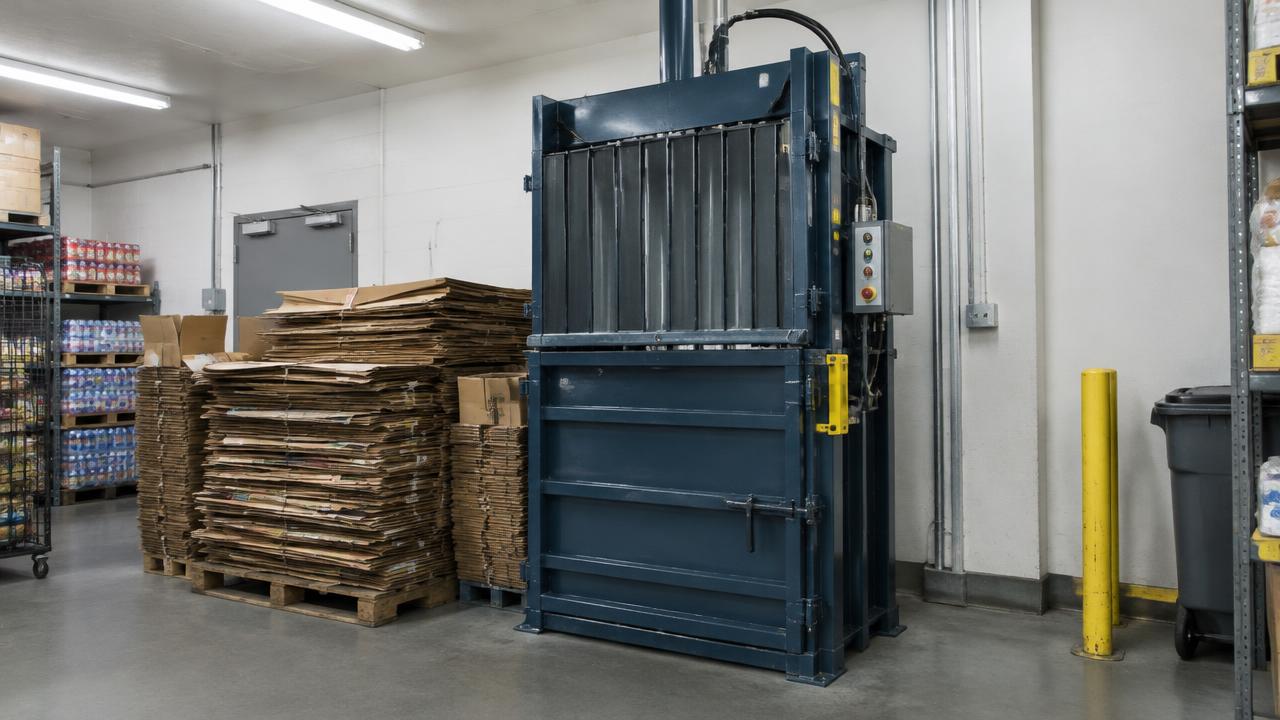
Cardboard Baler Safety
12 min8 CCR 4353, 4355, 3314; 29 CFR 1910.212, 1910.147, 570.63; ANSI Z245.5-2023
How vertical cardboard balers work, the crushing, ejection, and wire hazards, guards and gate interlocks, labeled controls and key switches, safe loading, jams and lockout, tying off and ejecting bales, moving and storing bales, and young-worker and training rules.
View course details →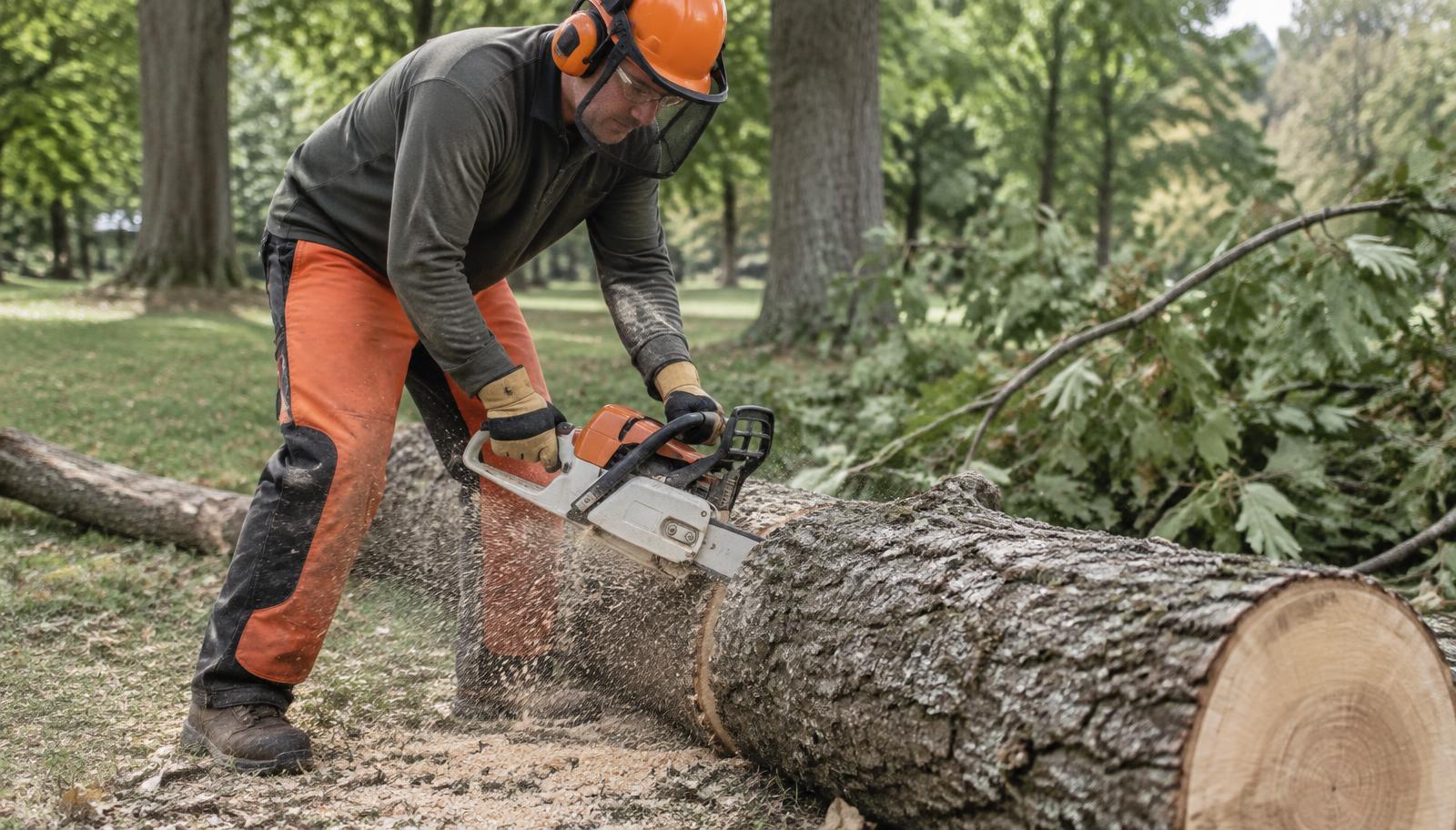
29 CFR 1910.132, 1910.266(d)–(e) (logging, referenced as good practice), 1910.95; 8 CCR §§3425, 3395; ANSI Z133-2026
Kickback, chaps and protective gear, pre-use checks, safe starting, grip and stance, cutting logs and limbs, carrying, refueling, and working around others for ground-level landscape chainsaw work.
View course details →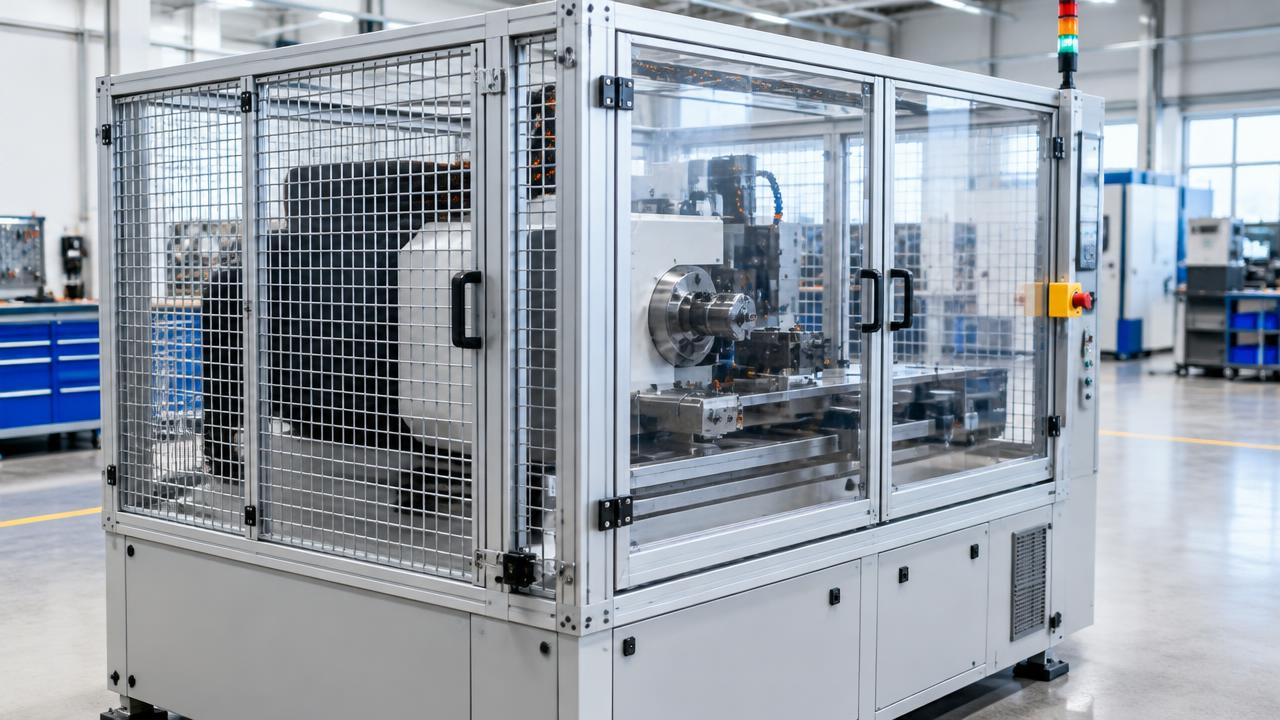
OSHA 29 CFR 1910.132–138 · 1910.95
Assess hazards, select compatible protection, and demonstrate correct fit, inspection, and use. Illustrative visuals do not establish equipment ratings. Supplement with your site's assessment, manufacturer instructions, and hands-on training; specialized work and construction rules may differ.
View course details →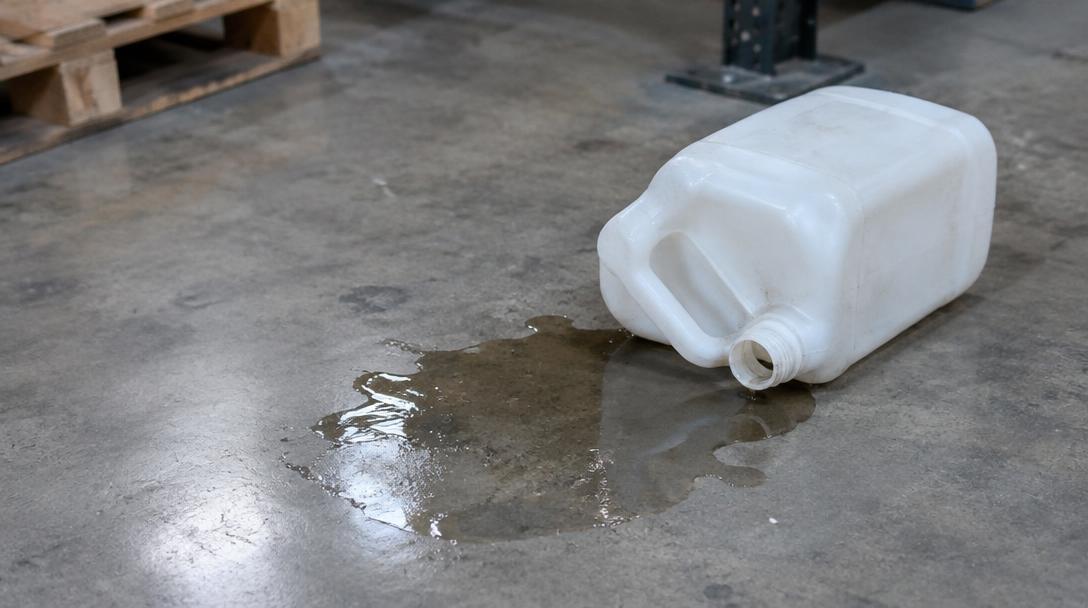
29 CFR 1910.1200, 1910.120, 1910.38, 1910.106, 1910.132-134; Cal/OSHA Title 8 §5192, §5194; 40 CFR 112, 262, 302; 49 CFR 171.15; NFPA 30 (2027); ASTM F739-2020
Incidental versus emergency spills, stop-warn-report, using labels and SDS Section 6, spill PPE, securing the area and stopping the source, containing and protecting drains, absorbing and neutralizing, spill kits, flammable spills, collection and disposal, decontamination, reporting, and when to evacuate.
View course details →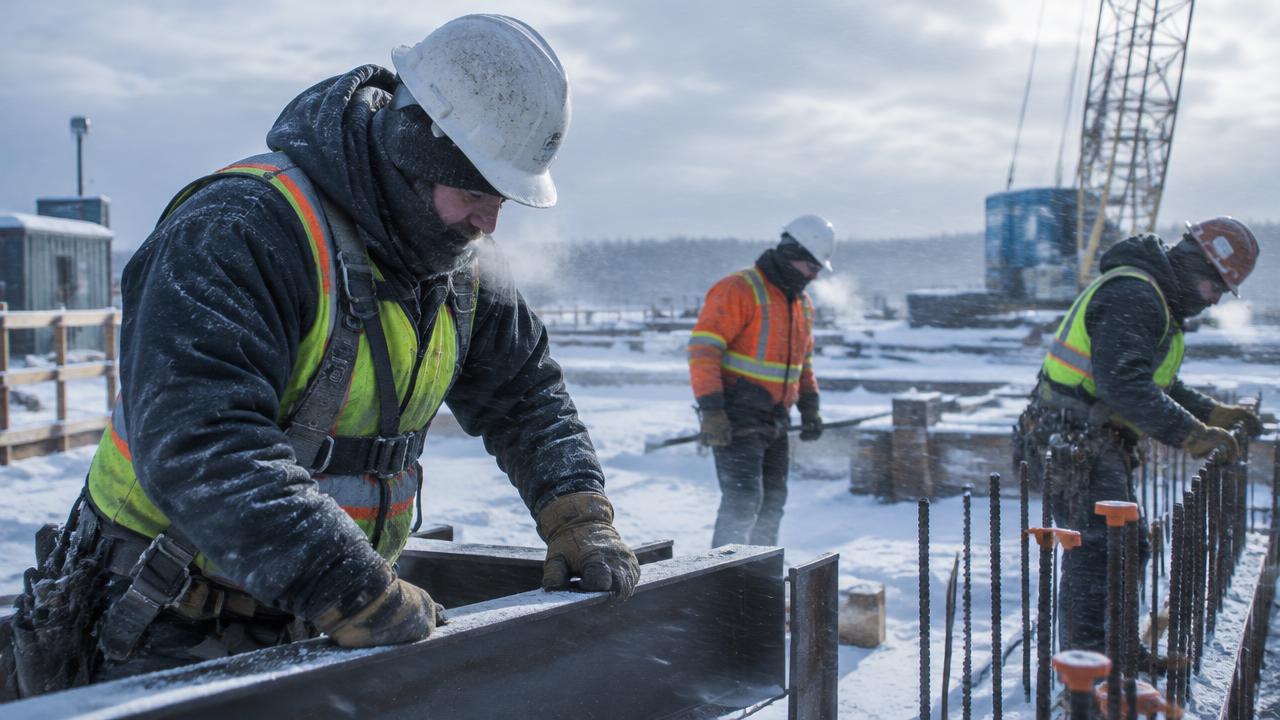
Cold Stress Prevention
10 minOSH Act Section 5(a)(1) General Duty Clause; OSHA and NIOSH cold stress guidance
Cold stress risk factors, hypothermia, frostbite, trench foot and chilblains, first aid, layered clothing, safe work practices, freezers, ice, carbon monoxide from heaters, and employer and worker responsibilities.
View course details →
OSHA CPL 03-00-008; 29 CFR 1910.22, 1910.252, 1910.272, 1910.307, 1910.178(c), 1910.1200; OSH Act 5(a)(1); Cal/OSHA Title 8 §3203; NFPA 660 (2025), NFPA 68 (2023), NFPA 69 (2024), NFPA 51B (2024), NFPA 77 (2024), NFPA 2112; ASTM E1226; 29 CFR 1910.146, 1910.147; Title 8 §3221
What makes dust combustible, the explosion pentagon, primary and secondary explosions, how much dust is too much, safe housekeeping, engineering and explosion protection, ignition control, dust hazard analysis, PPE and HazCom, your role every shift, emergency response, specific dust types, real incidents, static and bulk transfer, equipment hazards, maintenance, dust collector hazards, changes and contractors, and California requirements.
View course details →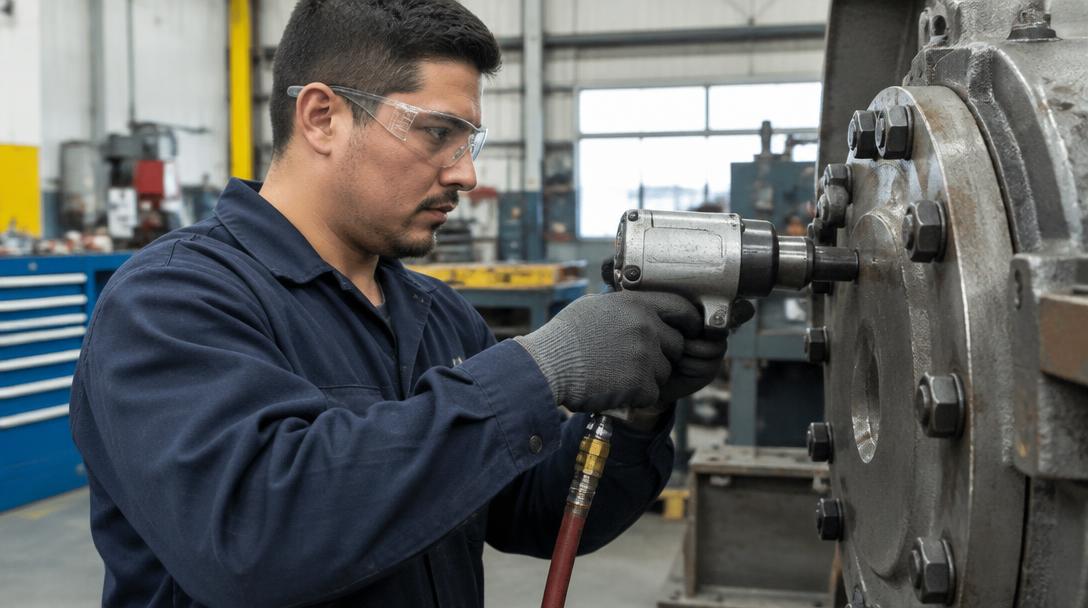
29 CFR 1910.242(b), 1910.243(b), 1910.169, 1910.147, 1926.302(b); Cal/OSHA Title 8 §3301; ANSI Z87.1-2025; NFPA 660 (2025),
Compressed air hazards and controls: injection and eye injuries, the 30 psi cleaning rule, safer cleaning methods, PPE, hoses and fittings, whip checks and safety devices, routing, pneumatic tools, stored pressure and lockout, air receivers, horseplay, and dust blowdown.
View course details →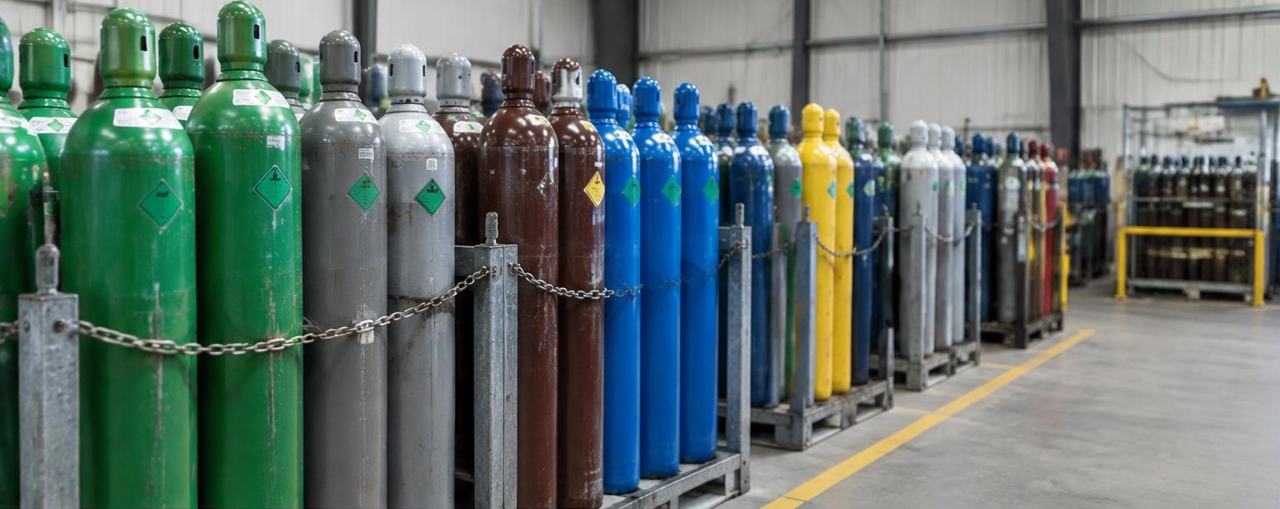
OSHA 29 CFR 1910.101 / 1910.253
Awareness training on compressed gas cylinders: identifying contents, securing cylinders, oxygen and fuel gas separation, moving and hoisting, damaged cylinders, regulators and leaks, and handling empty cylinders.
View course details →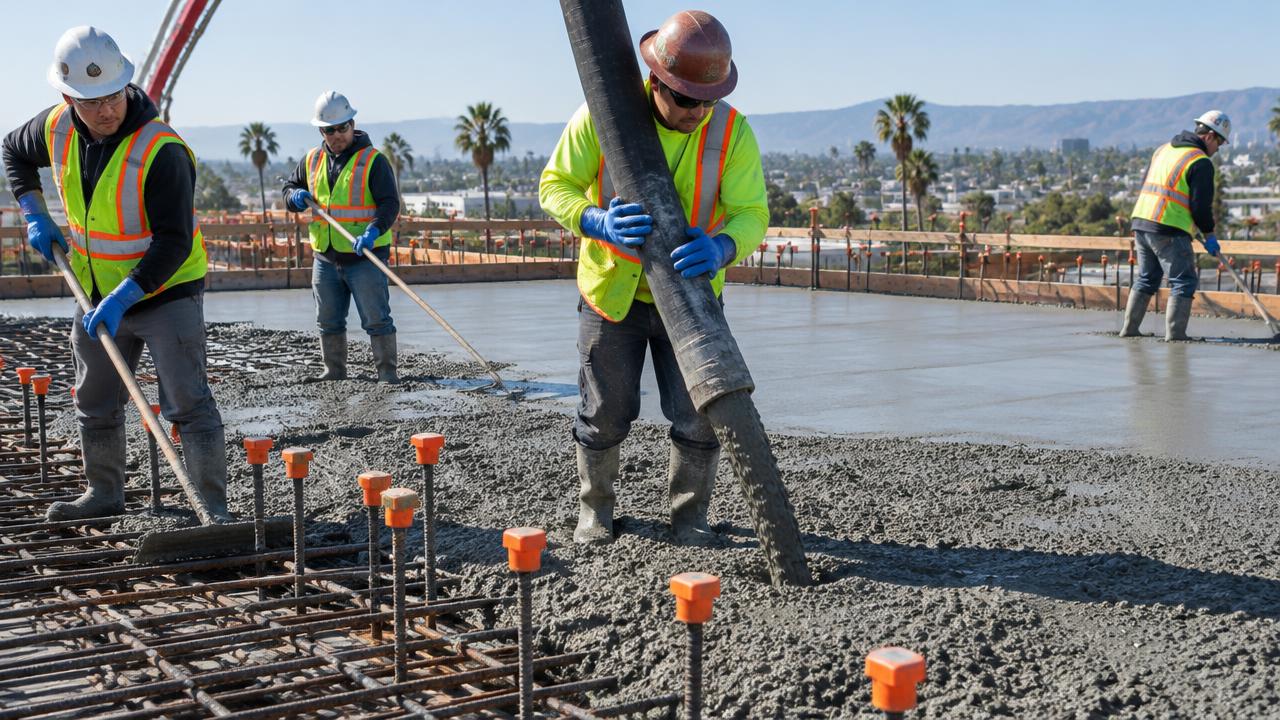
8 CCR 1712, 1713, 1717, 1720, 1592, 1621, 2946, 1512, 1532.3, 3395, 5155, 3203; 8 CCR 344.90; 29 CFR 1926.702
Awareness course on slab pours and concrete pumping under California rules: pre-pour planning and checks, pump setup and outriggers, voltage-based power line clearances, placing boom and delivery line rules, hose whip and exclusion areas, the hose crew, rebar impalement and edges, forms and shoring, ready-mix truck backing, finishing equipment and carbon monoxide, cement burns, silica, heat, and emergencies.
View course details →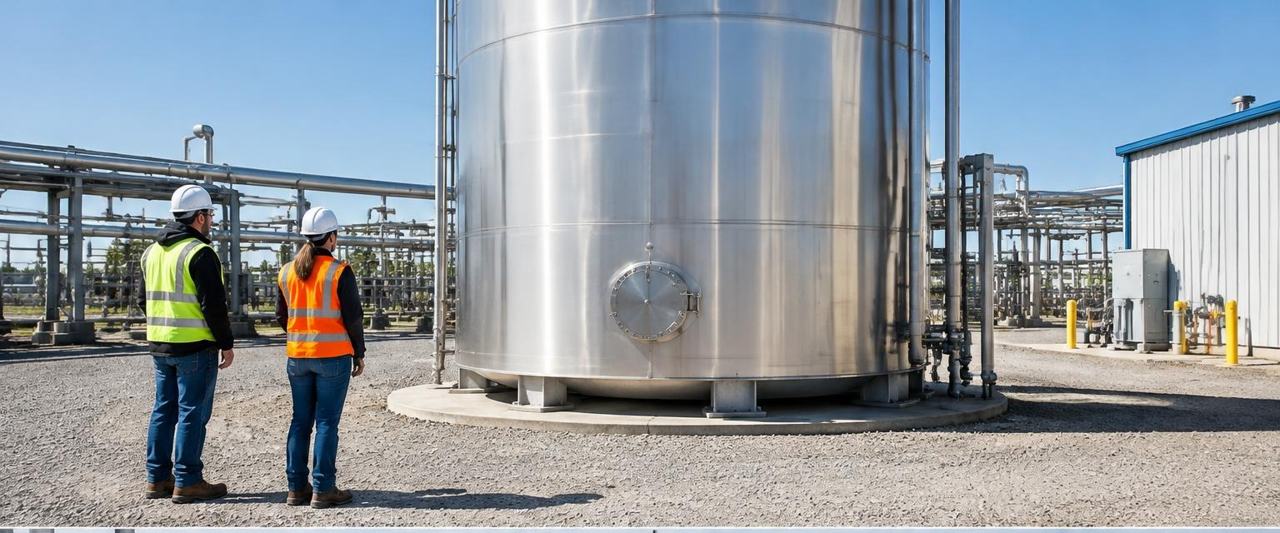
OSHA 29 CFR 1910.146; construction: 1926 Subpart AA
Confined-space awareness covering identification, permit hazards, unauthorized-entry prevention, entry programs, isolation, atmosphere testing, ventilation limits, team roles, rescue planning, and evacuation. Distinguishes general-industry and construction requirements; not entry or rescue qualification.
View course details →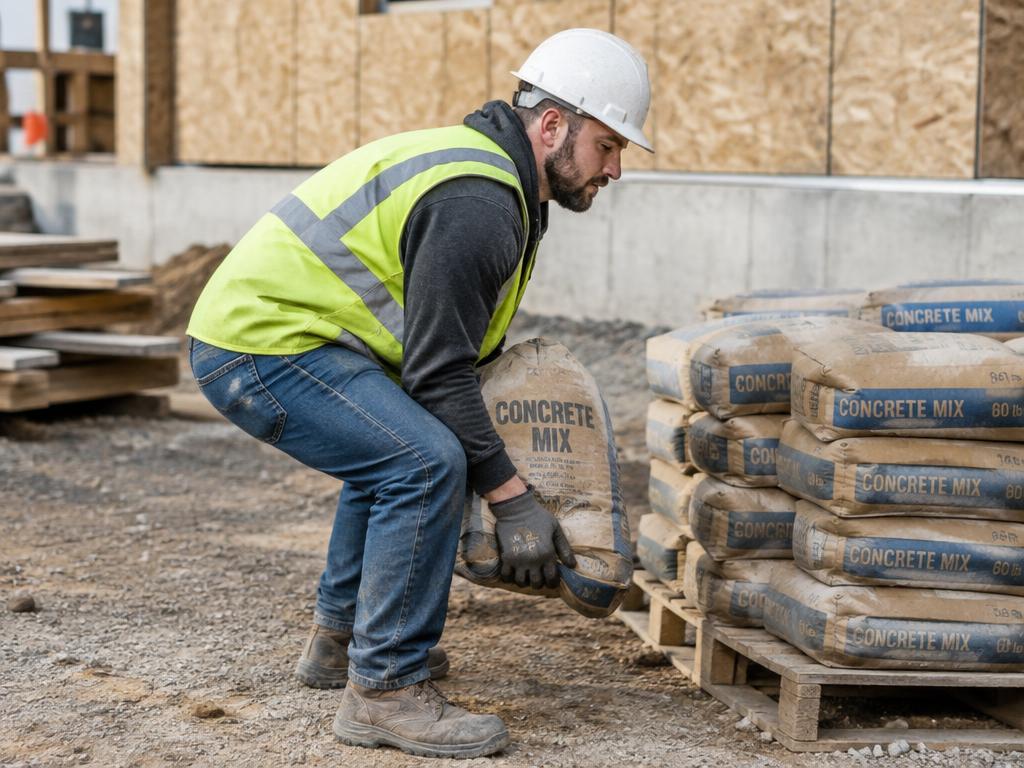
OSH Act Section 5(a)(1); 29 CFR 1904; 8 CCR 5110; NIOSH/CPWR guidance; ANSI/ASSP A10.46
Construction ergonomics awareness: musculoskeletal risk factors in the trades, material planning and staging, lifting and carrying, hand tools and vibration, overhead and kneeling work, masonry platforms, rebar and repetitive hand work, warm-up and microbreaks, and early symptom reporting.
View course details →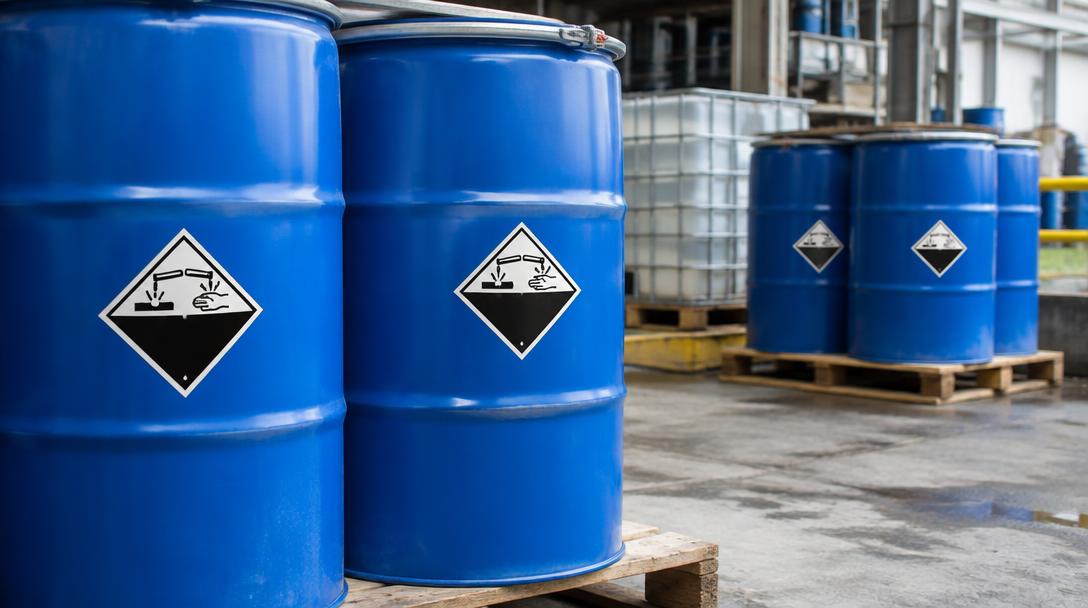
29 CFR 1910.1200, 1910.132-138, 1910.151(c), 1910.178(g); Cal/OSHA Title 8 §5162, §5194; ANSI/ISEA Z358.1-2014; ANSI Z87.1-2025; ASTM F739-2020; NFPA 400 (2025); 49 CFR 173.136, 174.67, 177.834, 177.848; 40 CFR 261.22
How acids and bases injure, reading corrosive labels and SDSs, splash goggles and face shields, glove selection with ASTM F739 data, storage and incompatibles, diluting and transfer, moving containers, eyewashes and showers, batteries, corrosive cleaners, DOT and EPA rules, first aid, and bulk handling: totes, tanks, tank trucks and railcars, hoses and camlocks, trapped hose pressure, valves and piping, and transport segregation.
View course details →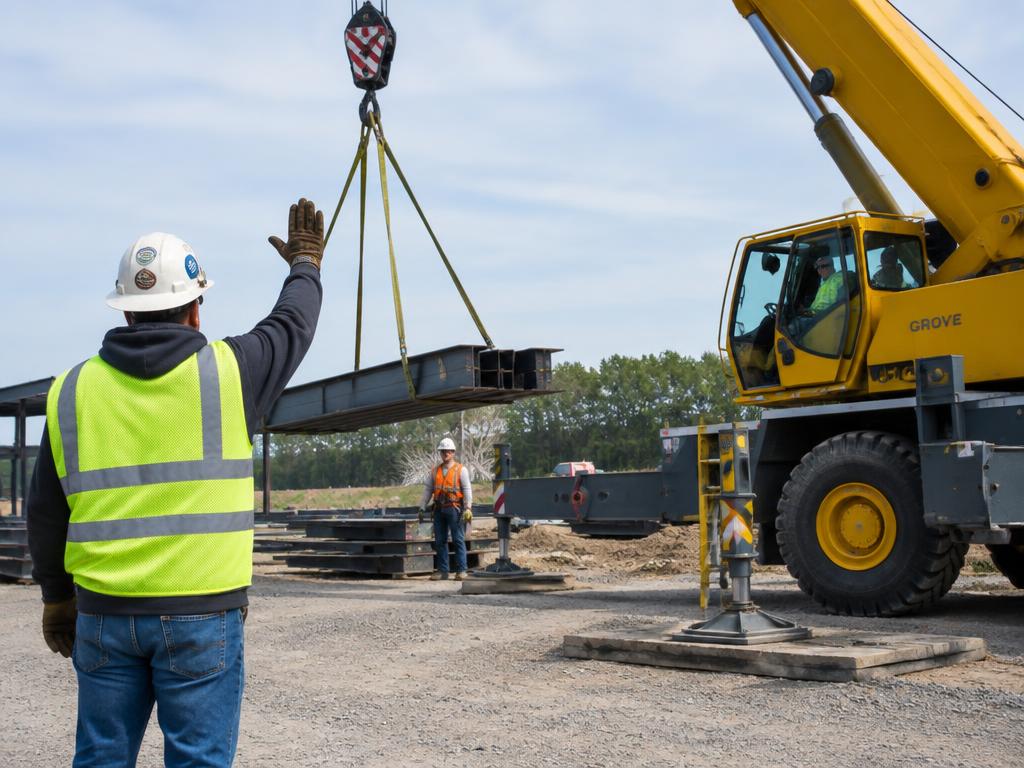
29 CFR 1926.1408, 1926.1417–1422, 1926.1425, 1926.1428; Subpart CC Appendix A; 29 CFR 1910.179–180; ASME B30.5-2025; ASME B30.2-2022
Long-form (about 60 minutes) signal person instruction: when signals are required, 1926.1428 qualification, the complete Standard Method and overhead crane hand signal charts, voice and radio protocols and handoffs, crane dynamics (radius, swing, deflection, side and shock loading, two-blocking, wind, ground), blind lifts and the fall zone, power-line clearances, spotters and contact response, multiple-crane lifts, and realistic field scenarios. Knowledge only — this course alone does not qualify a signal person; qualification requires oral/written and practical evaluation by a qualified evaluator, as 1926.1428 requires.
View course details →
Defensive Driving
30 minOSH Act Section 5(a)(1); 29 CFR 1926 Subpart O; FMCSA 49 CFR Parts 382, 392, 393, 396
Defensive driving for work: pre-trip inspections, seat belts, space management and following distance, scanning and intersections, distracted and impaired driving, weather, fatigue, roadside emergencies, load securement, and professional driver responsibilities.
View course details →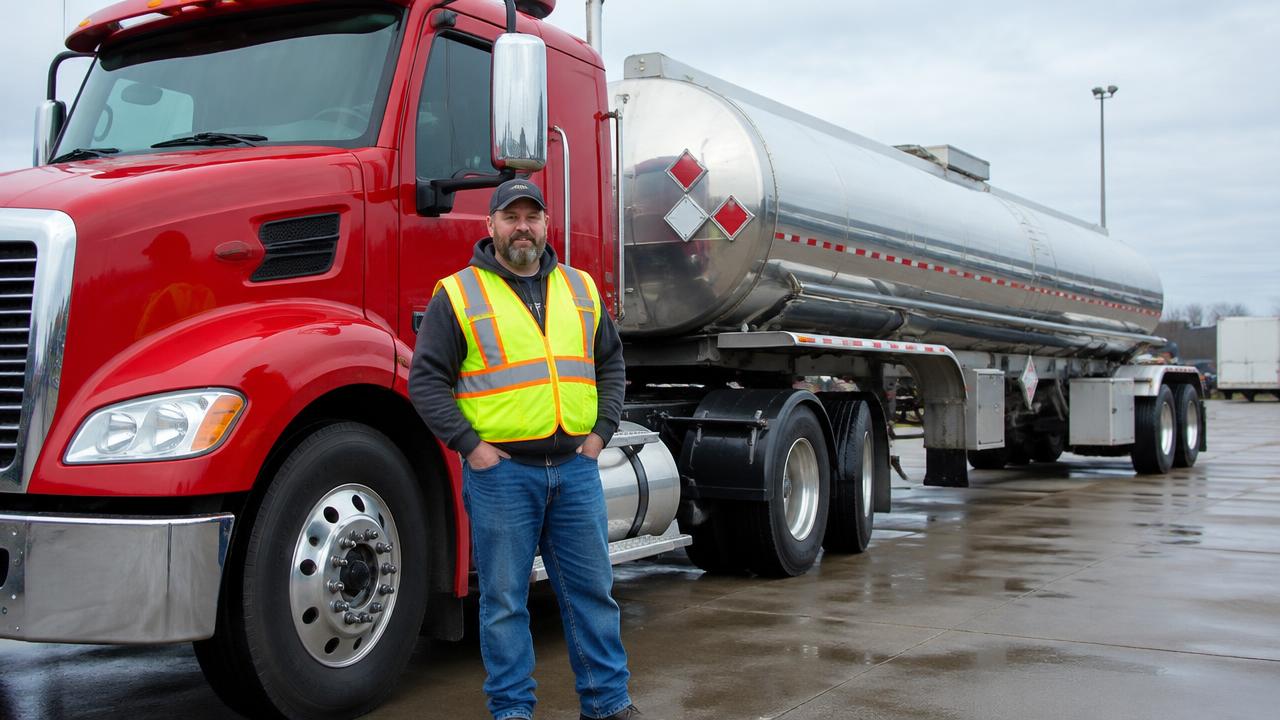
49 CFR 177.816–177.854, 172.704, Parts 383, 392, 393, 396, 397, 180.407, 171.15–171.16
Hazmat driver training under 49 CFR 177.816: CDL hazmat endorsement and permits, shipping papers in the cab, placards, pre-trip and tire checks, controls and emergency equipment, surge and rollover, railroad crossings, tunnels and routing, attendance, parking and fueling, smoking and fires, loading, securement and segregation, cargo tank transfer attendance and inspections, incidents and reporting, and en route security. Does not replace a CDL, endorsements, entry-level driver training, or employer evaluation.
View course details →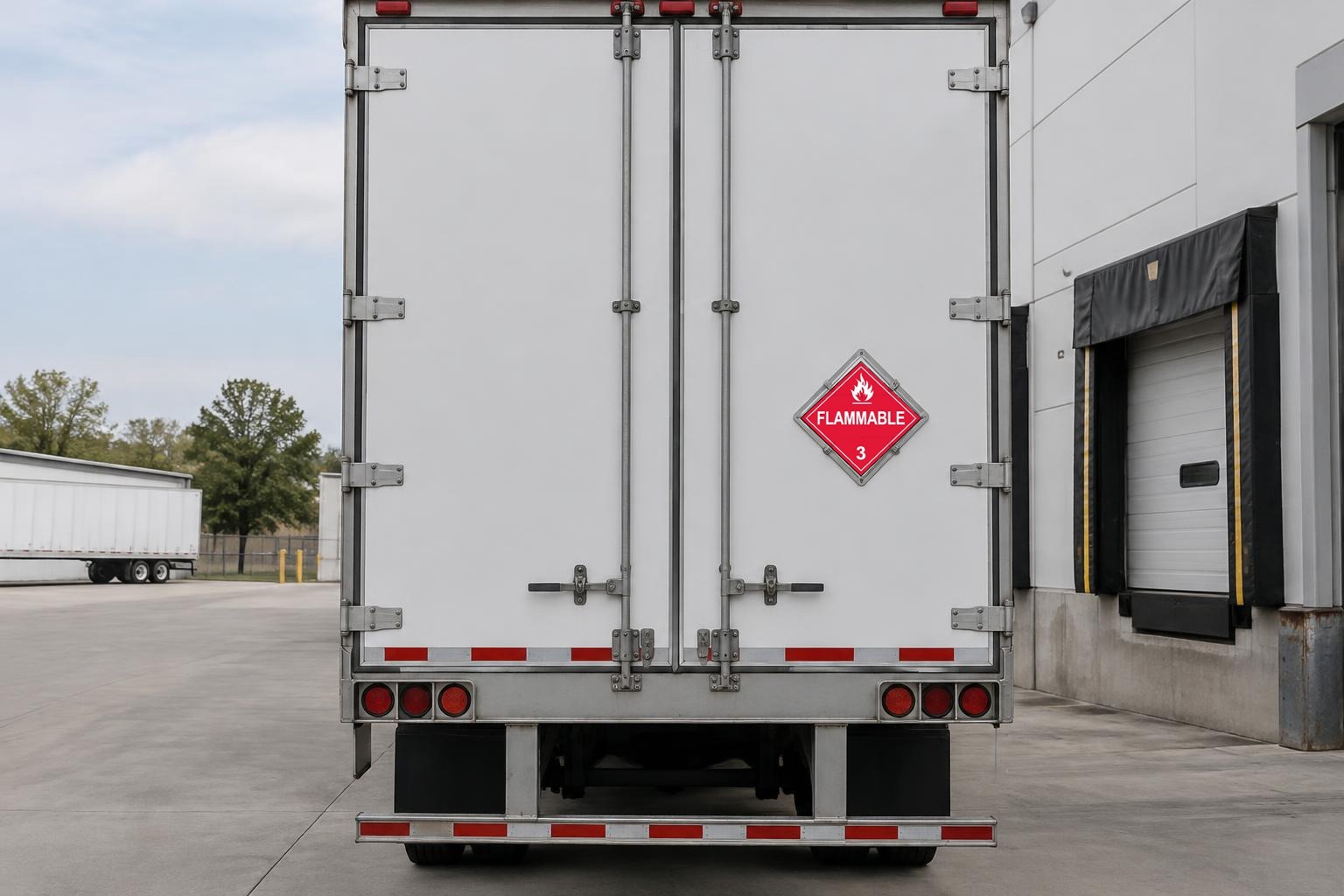
49 CFR 172.700–704; 172 Subparts D–G; 172.800–802
An expanded three-section course with detailed DOT recognition, material-specific safety boundaries, shipment protection, and practical decision scenarios with narrated debriefs. Employer-specific safety measures, function-specific training, and applicable security-plan instruction remain required.
View course details →
49 CFR 172.101; 172 Subparts C–F; 173.22–29; 177.817, 177.834, 177.848
Detailed highway-shipping instruction with classification, shipping papers, authorized packaging and closures, markings, labels, placards, overpacks, loading and segregation, plus practical defect-review scenarios. Supports assigned functions; does not replace employer certification, material-specific preparation or specialized driver/mode training.
View course details →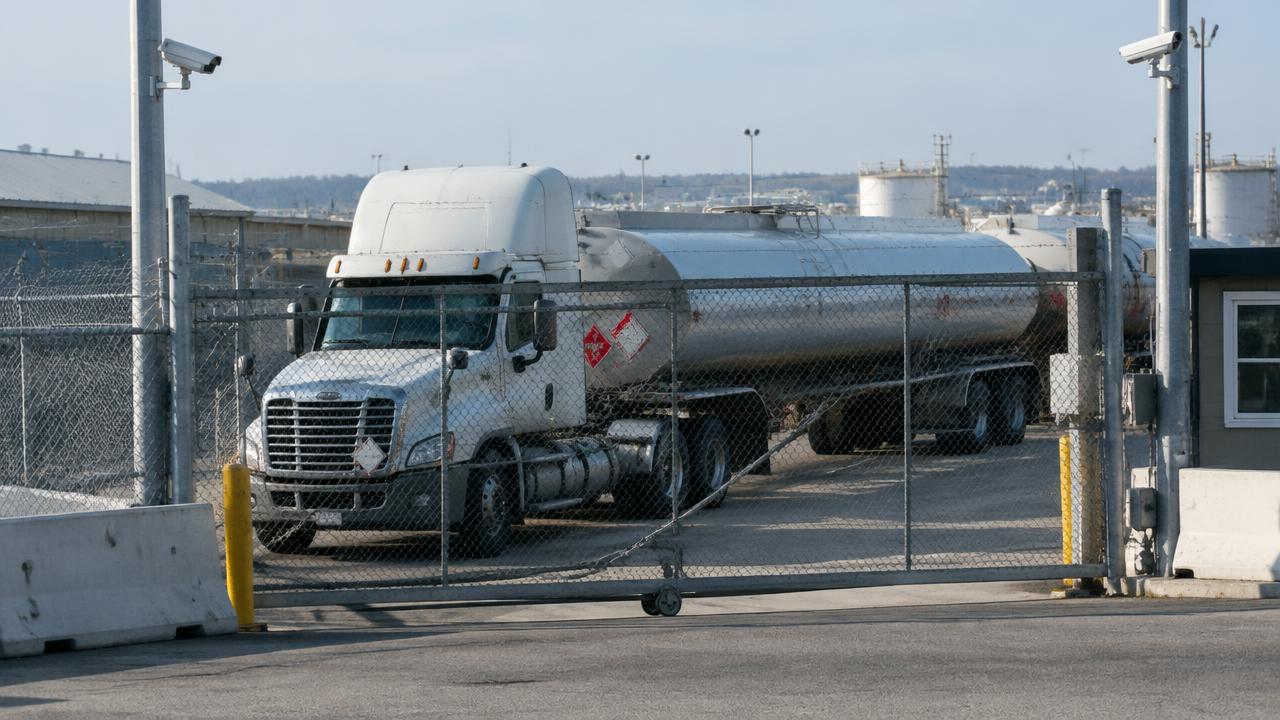
49 CFR 172.704(a)(5), 172.800–172.804, 171.15–171.16, Part 397, Part 1572
In-depth security training foundation under 49 CFR 172.704(a)(5): who needs a security plan, required plan contents, security objectives and structure, personnel security, unauthorized access, carrier and driver verification, seals and tamper checks, en route and information security, suspicious activity, breach response and reporting, and training records. Employers must add their own security plan, duties, and procedures; certification comes from the employer.
View course details →
OSH Act Section 5(a)(1); 29 CFR 1904.35; applicable employer policy
Recognize fitness-for-duty concerns without diagnosing, pause hazardous work, report facts, protect privacy, respond to emergencies, use support resources, and follow the actual employer policy. Distinguishes OSHA anti-retaliation requirements from job-specific DOT rules.
View course details →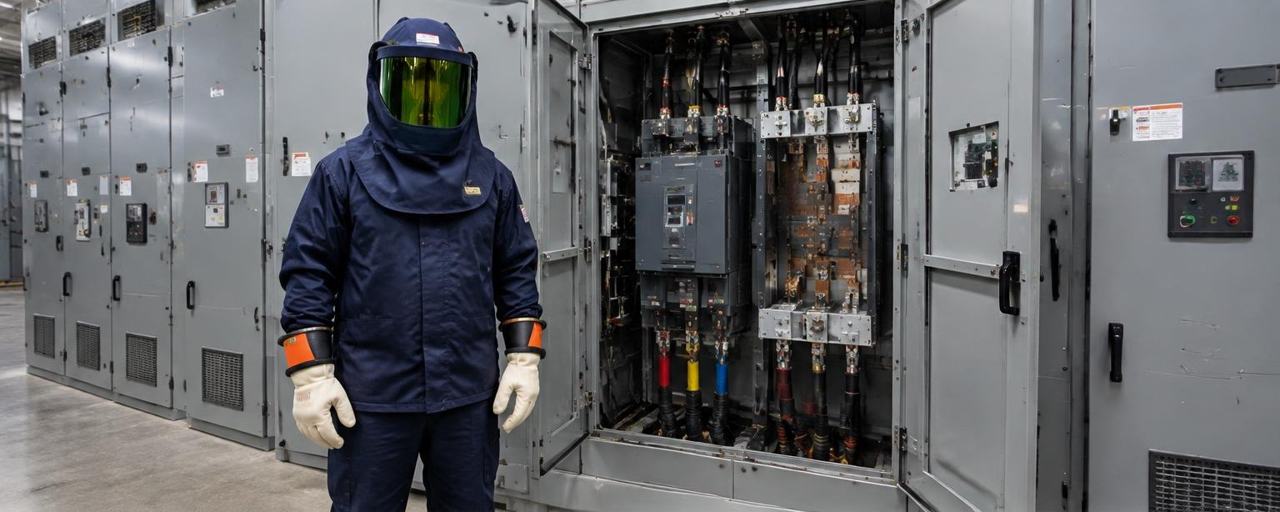
OSHA 29 CFR 1910.301–335
Awareness training on electrical hazards under OSHA Subpart S: qualified versus unqualified persons, overhead line clearances, cords and GFCIs, panel working space, arc flash protection, electrical lockout, and emergency response.
View course details →
OSHA 29 CFR 1910.38 · 1910.39 · 1910.165
Workplace emergency preparedness covering reporting, alarms, evacuation routes, assistance, assigned duties, accountability, shelter, and plan review. Includes ten knowledge questions and guidance for reviewing the actual employer emergency action plan.
View course details →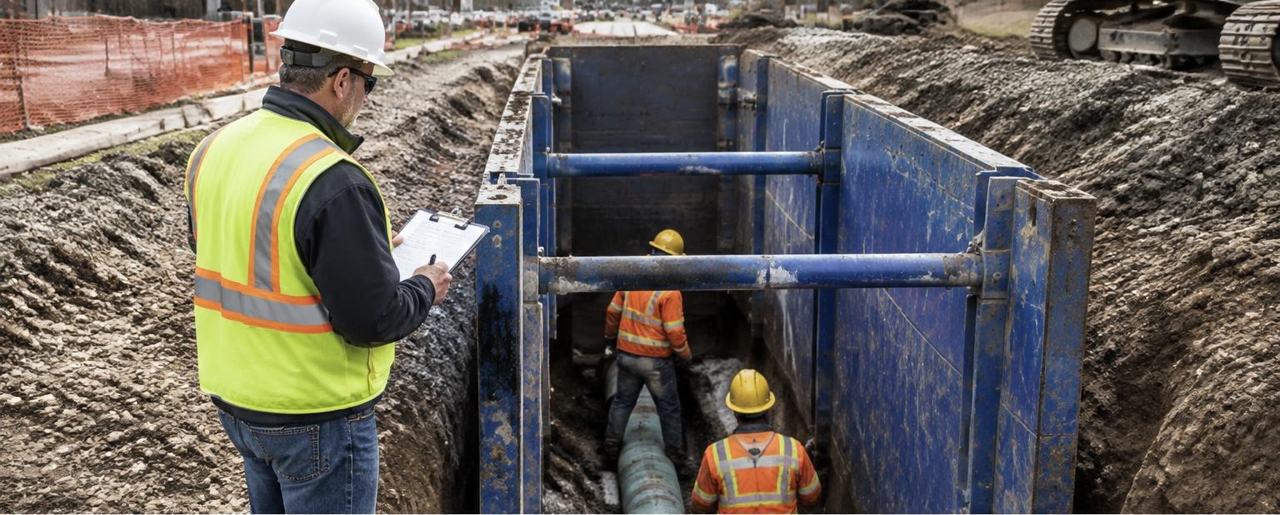
OSHA 29 CFR 1926 Subpart P (1926.650–652, Appendices A–D)
Classroom portion of competent-person excavation training under OSHA Subpart P: visual and manual soil tests, strength instruments, Type A, B, and C classification, protective system selection, sloping and benching configurations, timber and hydraulic tabulated data, shields, combination systems, and inspections.
View course details →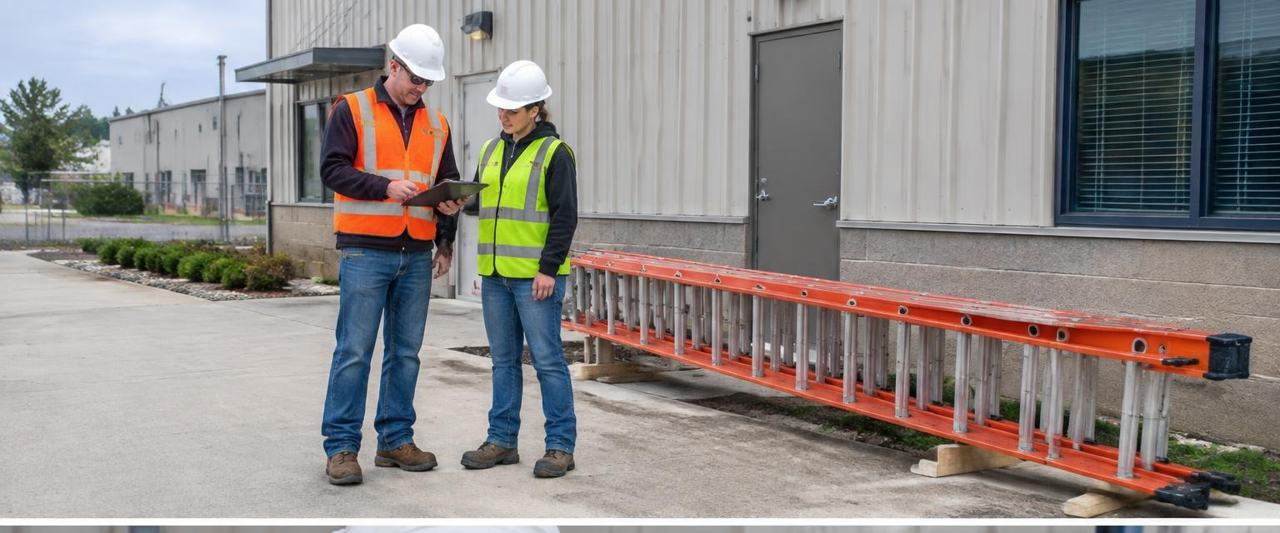
OSHA 29 CFR 1910.23; construction: 1926.1053 and 1926.1060
Extension ladder awareness covering task planning, inspection, electrical and traffic hazards, footing, setup angle, section locks, landing access, climbing contact, safe reach, and storage. Distinguishes general-industry and construction requirements and model-specific limits.
View course details →
OSHA 29 CFR 1910.133; 1910.132; 1910.151(c); construction 1926.102
Recognize eye hazards, select and fit protection, care for eyewear, prepare for chemical and welding exposures, and respond promptly to eye emergencies.
View course details →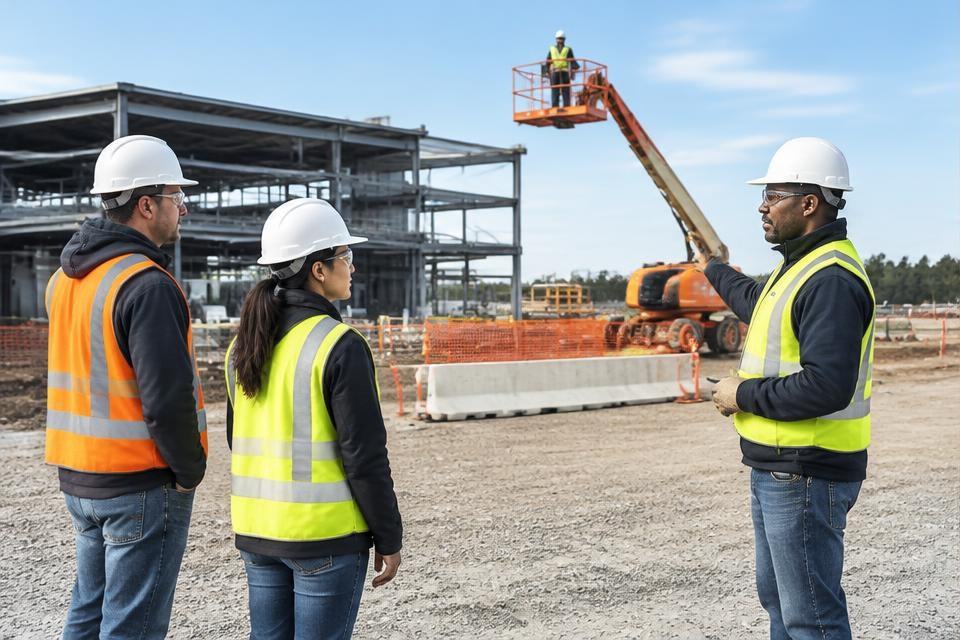
OSHA 29 CFR 1910.28(c), 1910.29(k); construction: 1926.501(c), 1926.502(j), 1926.451(h)
Falling-object awareness covering overhead planning, edge containment, stable storage, suitable tool retention, exclusion areas, scaffolds, suspended loads, head protection, and reporting. General-industry and construction rules are distinguished. Illustrative pictures do not certify equipment or replace specialized instruction.
View course details →
OSHA 29 CFR 1910.157
Monthly visual inspection, access, identification, pin and seal, pressure and CO2 charge checks, damage reporting, service coverage, annual maintenance, six-year procedures, and hydrostatic testing distinctions. Includes ten knowledge questions and follow-up with the employer’s actual checklist.
View course details →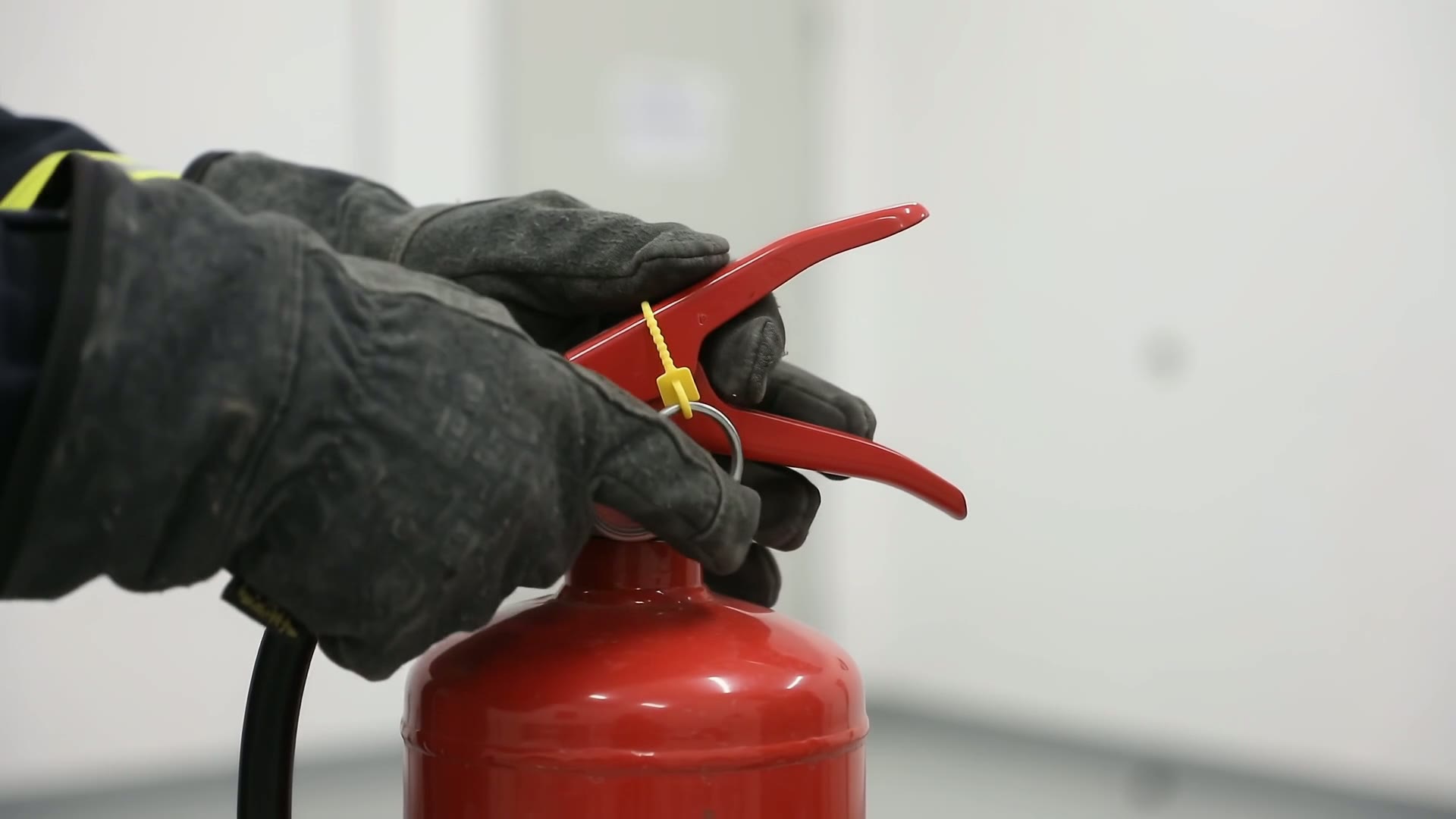
OSHA 29 CFR 1910.157 · 1910.38
Follow your site’s emergency plan, recognize when to evacuate, match extinguisher ratings to hazards, and learn PASS. Illustrative visuals are not equipment-specific demonstrations. This module supports education and does not authorize firefighting or replace site equipment training.
View course details →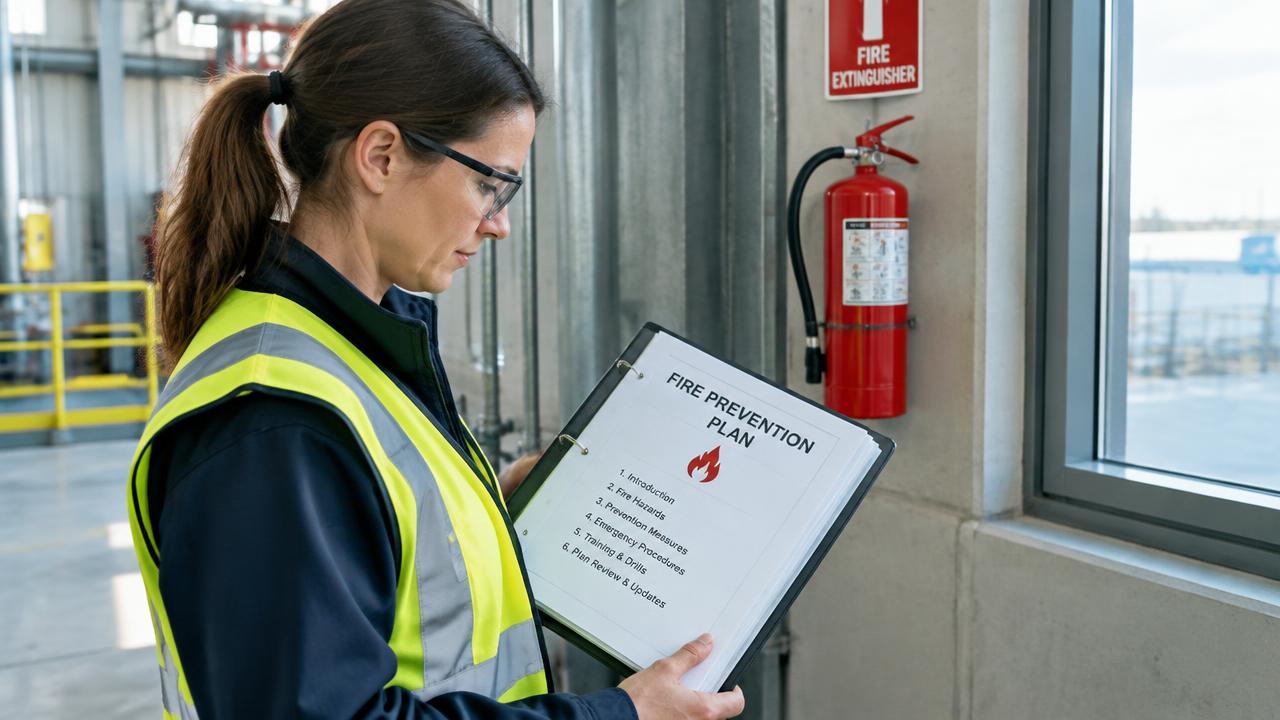
29 CFR 1910.39; 1910.106, 1910.157, 1910.252, Subpart S; NFPA 1 (2027), NFPA 10 (2026), NFPA 13 (2025), NFPA 25 (2026), NFPA 30 (2027), NFPA 51B (2024), NFPA 70E (2027), NFPA 72 (2025), NFPA 101 (2027)
Fire prevention plan awareness under 29 CFR 1910.39 and NFPA codes: fire chemistry, required written-plan elements, major hazards, ignition and fuel control, flammable liquids and gases, housekeeping, heat-producing equipment, electrical fire prevention, hot work, fire protection equipment, exit routes, responsibilities, employee information, and practical scenarios.
View course details →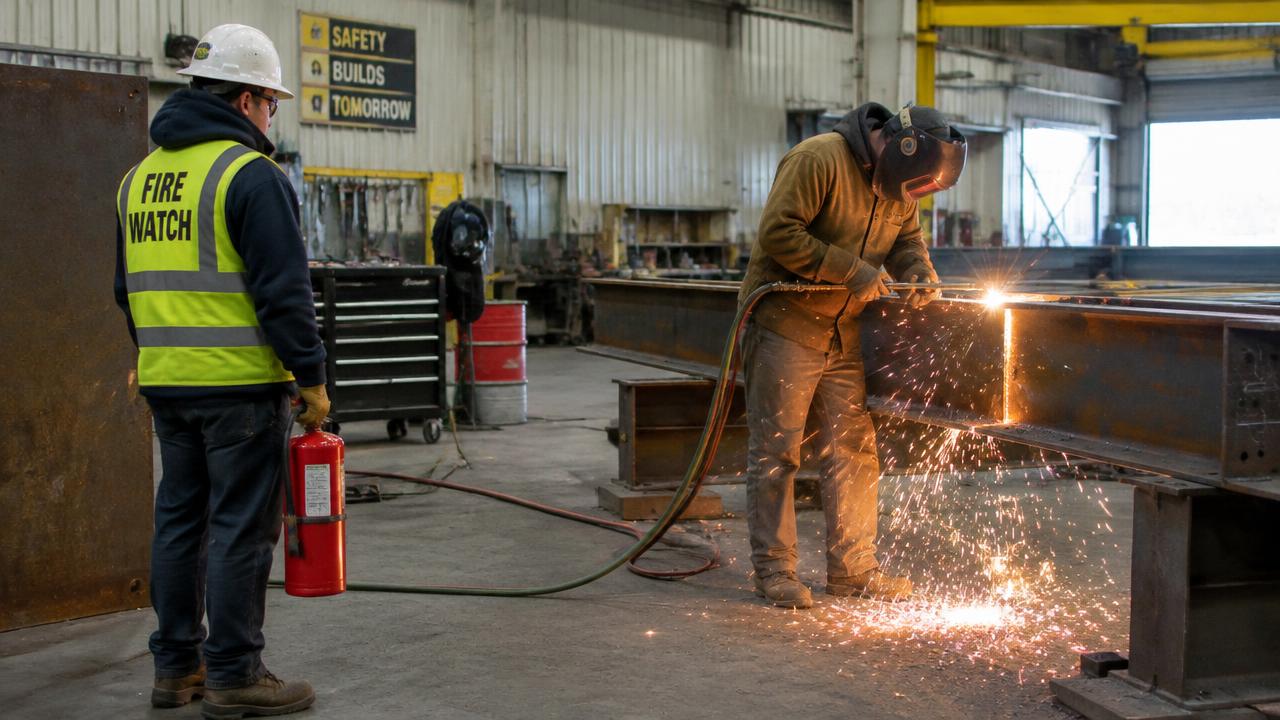
29 CFR 1910.252(a); 29 CFR 1926.352; NFPA 51B (2024); NFPA 241 (2027); NFPA 25 (2026) Ch. 15; NFPA 72 (2025); IFC 901.7
Fire watch awareness under OSHA 1910.252 and 1926.352, NFPA 51B, NFPA 25, NFPA 72, and fire codes: roles, when a fire watch is required, hot work permits, area preparation, equipment, duties during and after hot work, fire response, impairment procedures, patrols, documentation, and practical scenarios.
View course details →
29 CFR 1910.151; 29 CFR 1926.50; 29 CFR 1910.1030
Awareness of OSHA first aid requirements, check-call-care, recognizing cardiac arrest, hands-only CPR, AED use, severe bleeding control, burns and chemical exposures, choking, seizures, shock, and the limits of awareness training versus hands-on certification.
View course details →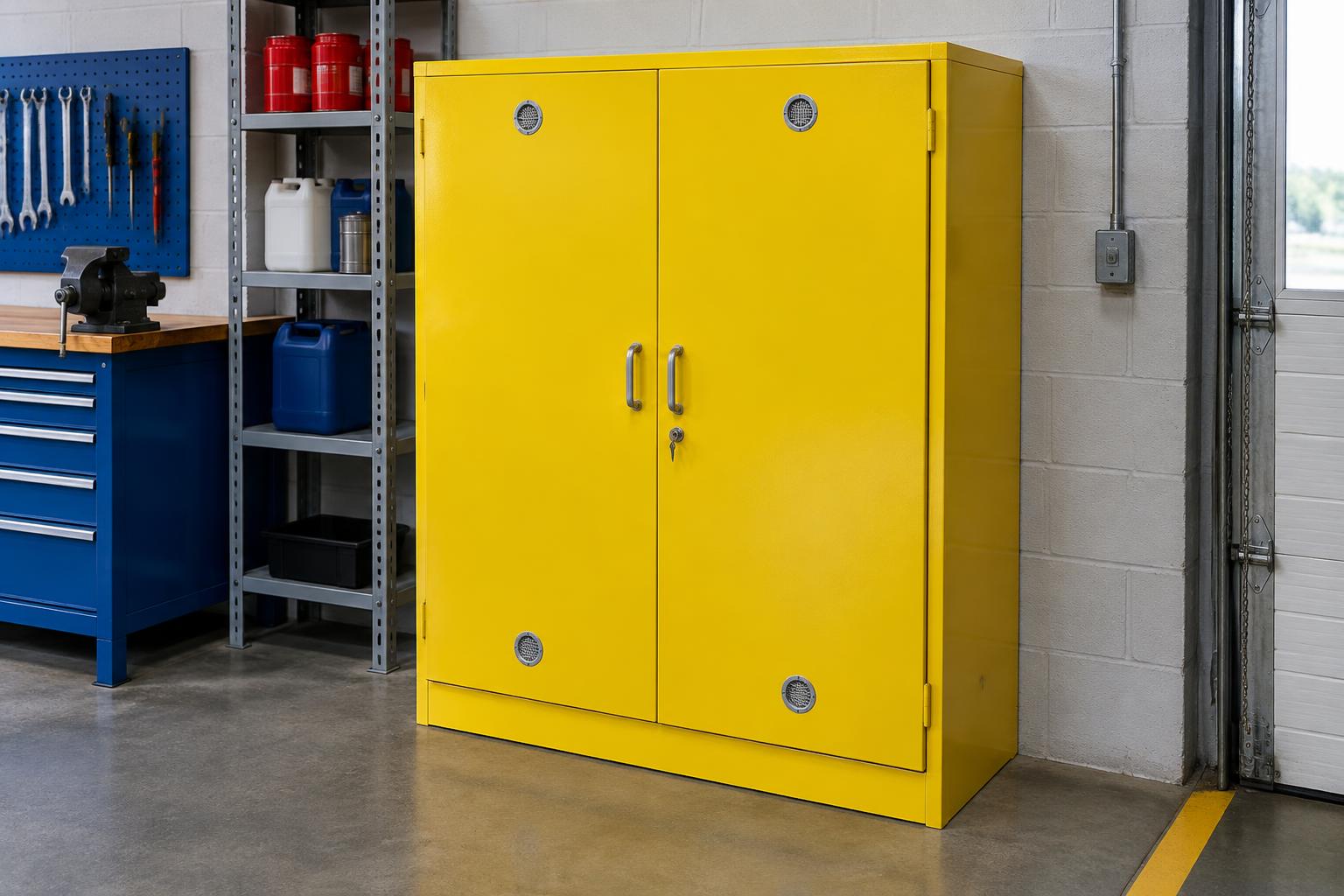
29 CFR 1910.106 — Flammable liquids; 1910.1200 — Hazard Communication
Approximately 40 minutes of OSHA-aligned awareness covering fire and explosion hazards, definitions and flash points, current categories, ignition and static control, approved containers, cabinets, inside storage rooms, building storage, scoped quantities, ventilation, safe handling, fire control, and spills. Workplace-specific training remains required.
View course details →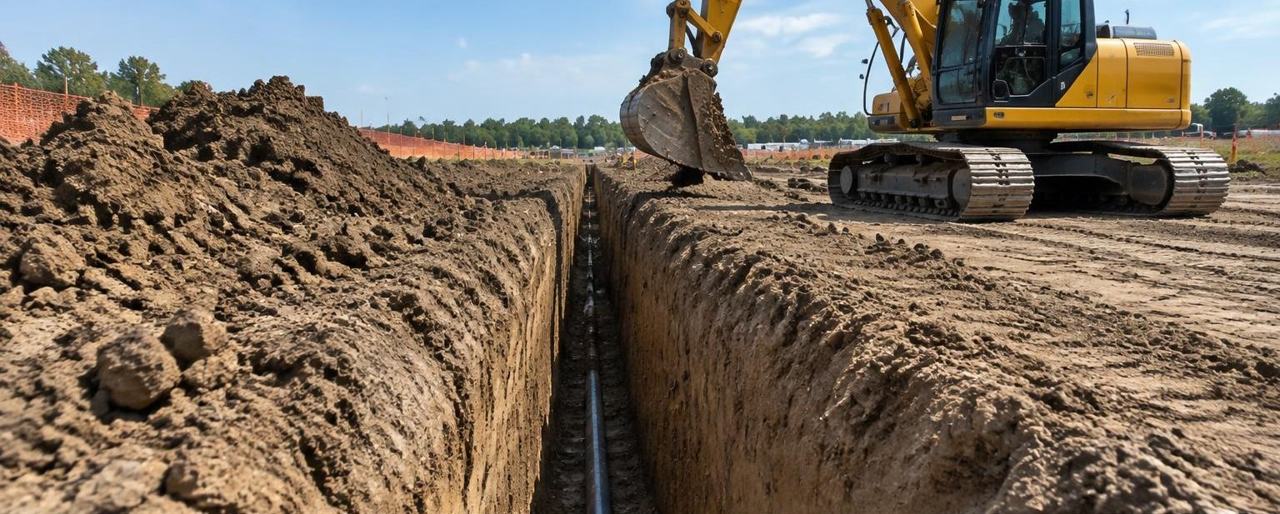
29 CFR 1926 Subpart P; 1926.300; 1926.600–602; 1926.702; 1926.1424
An in-depth, awareness-level Focus Four course on caught-in or -between hazards: trench cave-ins, soil, protective systems, spoil and egress, rotating machinery, lockout, equipment swing radius, pinning, rollovers, material collapse, and engulfment.
View course details →29 CFR 1926 Subpart K; 1926.1407–1411; 1926.1053(b)(12)
An in-depth, awareness-level Focus Four course on electrocution: overhead power lines and clearances, ladders, scaffolds, cranes, qualified persons, GFCIs and AEGCP, cords and tools, panels, lockout and testing, arc flash, buried utilities, wet conditions, and emergency response.
View course details →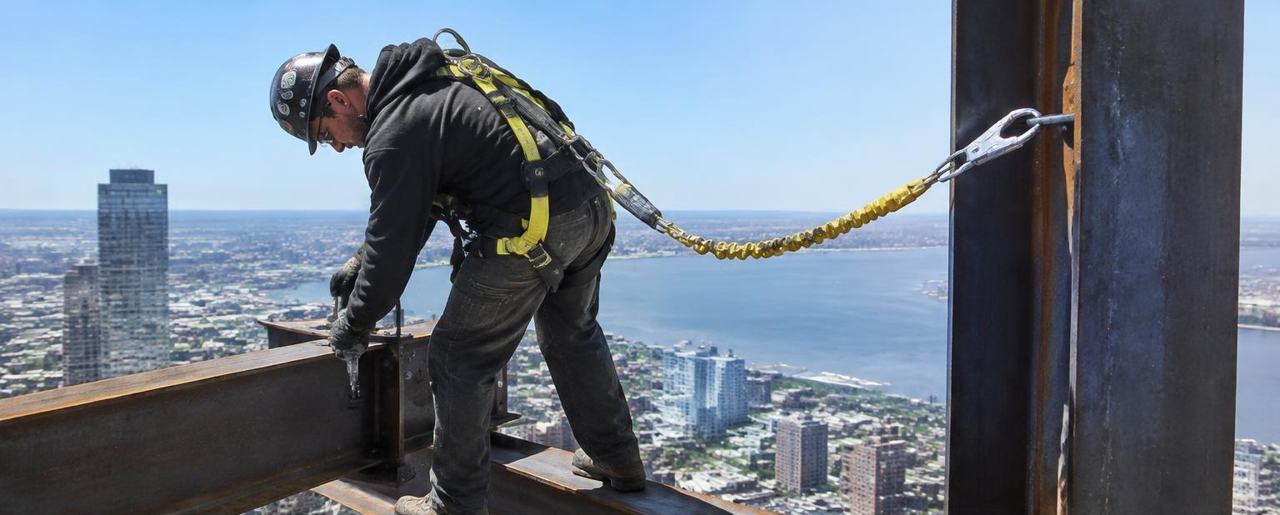
29 CFR 1926 Subpart M; 1926.451; 1926.1053
An in-depth, awareness-level Focus Four course on construction falls: the six-foot rule, guardrails, hole covers, safety nets, personal fall arrest, clearance, rescue, roofing, leading edges, ladders, and scaffolds.
View course details →29 CFR 1926.600–602; 1926.501(c); 1926.1424–1425; 1926.302
An in-depth, awareness-level Focus Four course on struck-by hazards: vehicles and backing equipment, work zones, falling objects, hard hats, cranes and rigging, masonry walls, flying objects from tools, and unstable materials.
View course details →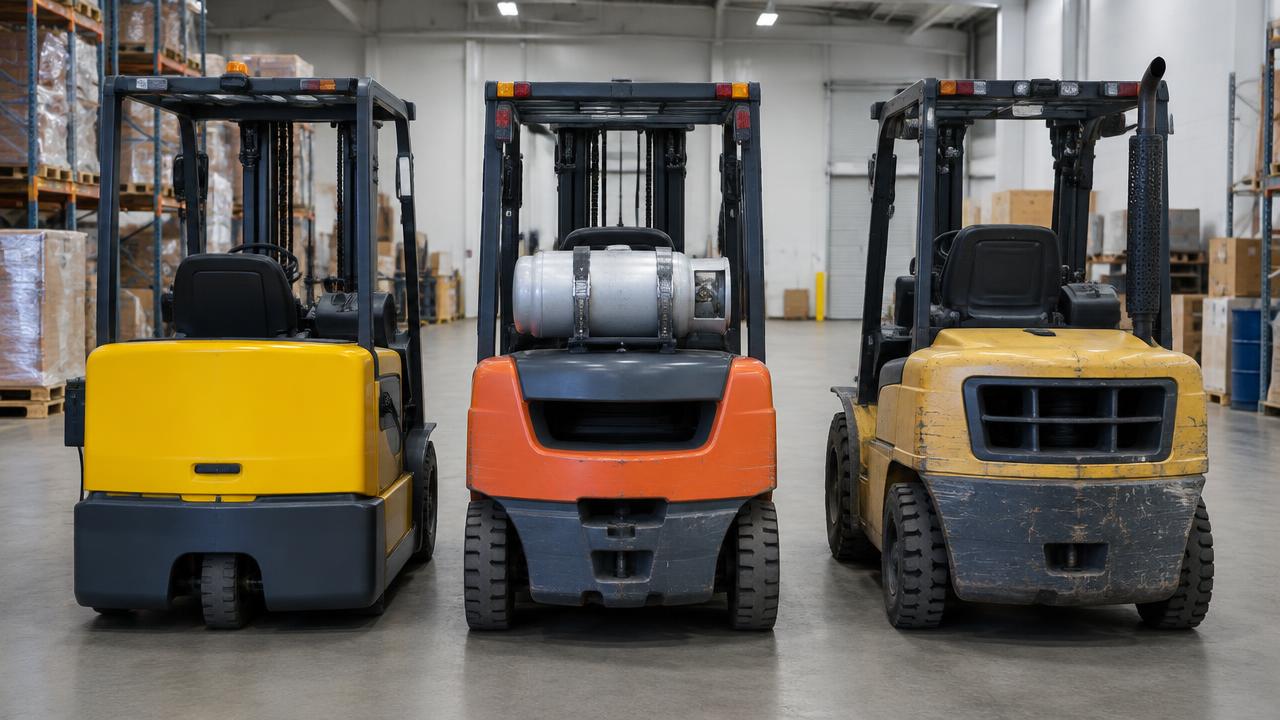
29 CFR 1910.178(f), (g), (p); 1910.110; 1910.106; 1910.151(c); 1910.157; NFPA 58 (2024); NFPA 30 (2027); NFPA 505 (2024)
How to safely charge electric forklifts, water and change batteries, store and change propane cylinders, check for leaks, refuel diesel trucks, prevent fires and spills, and respond to emergencies.
View course details →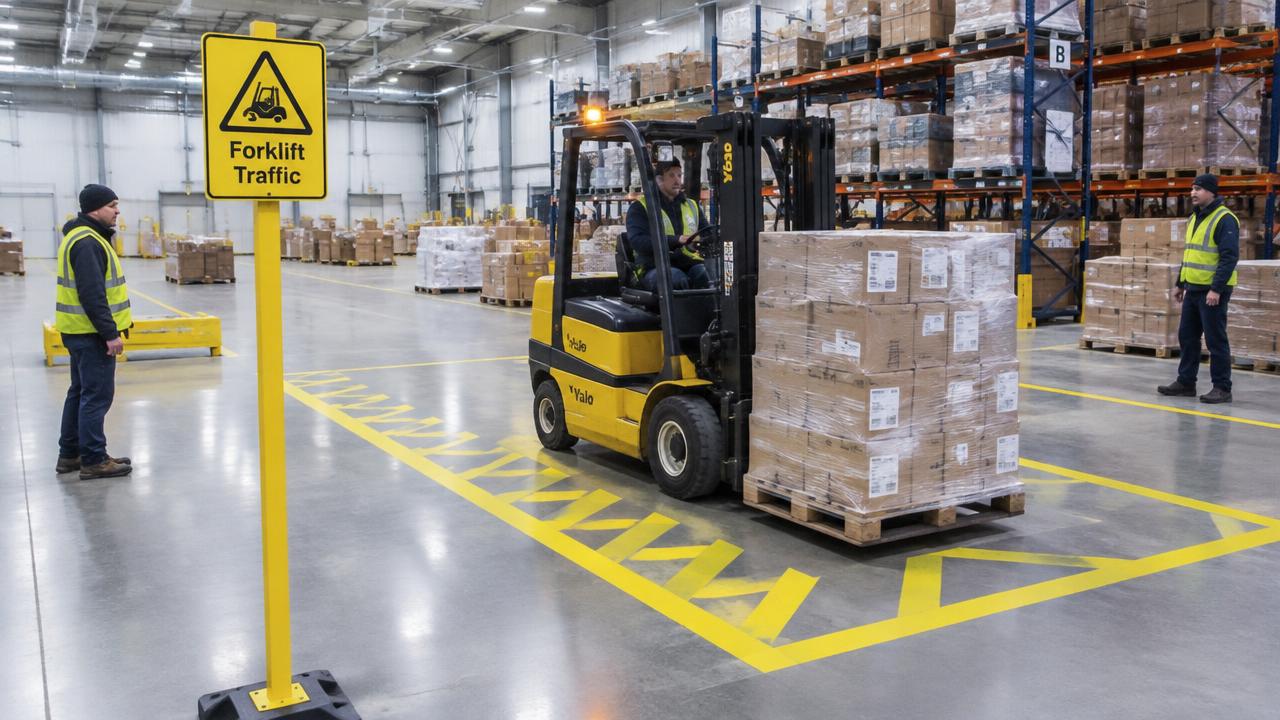
OSHA 29 CFR 1910.178; construction applicability: 29 CFR 1926.602(c) and (d)
This module explains forklift operator qualification, inspections, stability, load handling, pedestrian protection, travel, and shutdown. It follows OSHA 29 CFR 1910.178 and identifies the construction-specific connection without replacing required hands-on training and workplace evaluation.
View course details →
29 CFR 1910.178(g), (k), (m), (n); 1910.176(a); 1910.22(c); 1910.144–145; ANSI/ITSDF B56.1-2020; ANSI Z535
Pedestrian safety around forklifts: why trucks are dangerous, truck types, operator blind spots, OSHA operator rules that protect pedestrians, walkways and markings, intersections, safe distance and pinch points, elevated loads, docks, charging areas, and pedestrian responsibilities.
View course details →
29 CFR 1910.178(a), (h), (p), (q)(7); 1910.177; ANSI/ITSDF B56.1-2020
A detailed, step-by-step forklift pre-shift inspection: out-of-service rules, inspection PPE, walkaround and leaks, data plate, tires and wheels, forks, mast and chains, hydraulics, guards and seat belt, fluids and power source, horn and lights, brakes, steering, hydraulic controls, and documenting defects.
View course details →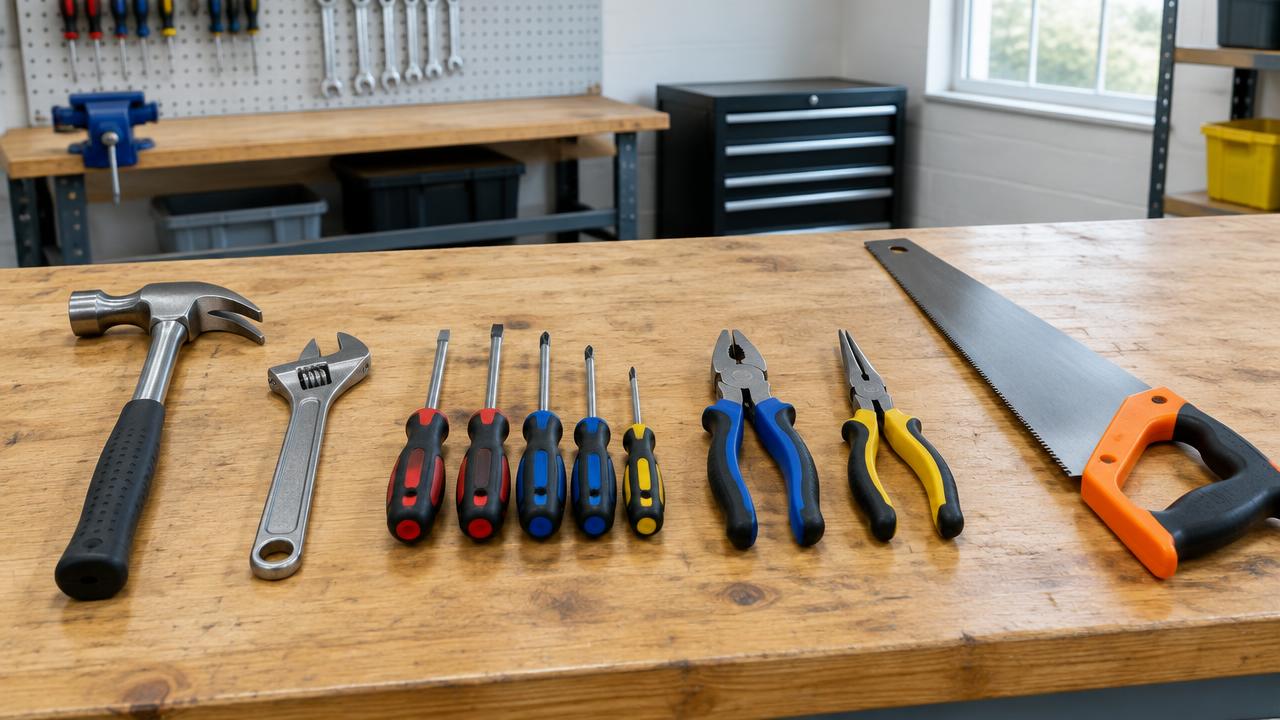
OSHA 29 CFR 1910.242(a) · 1926.301
Covers manual tools, defect recognition, PPE, safe use, transport, storage, and falling-object prevention. General-industry and construction requirements are identified separately. Illustrative media must be supplemented with manufacturer instructions and site-specific hands-on training.
View course details →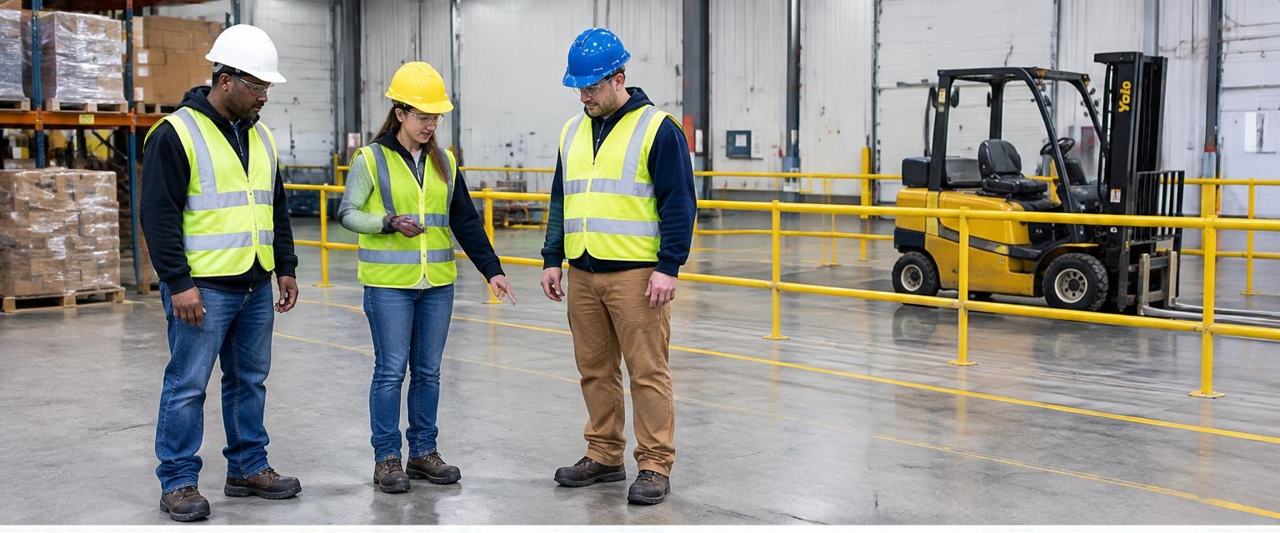
OSH Act Section 5(a)(1); OSHA 29 CFR 1910; construction: 1926.21(b)(2)
Practical hazard-recognition awareness covering job assessment, walking routes, machinery and energy, electricity, chemicals and noise, ergonomics, changing conditions, reporting, and control verification. Industry-specific requirements and employer responsibilities remain distinct.
View course details →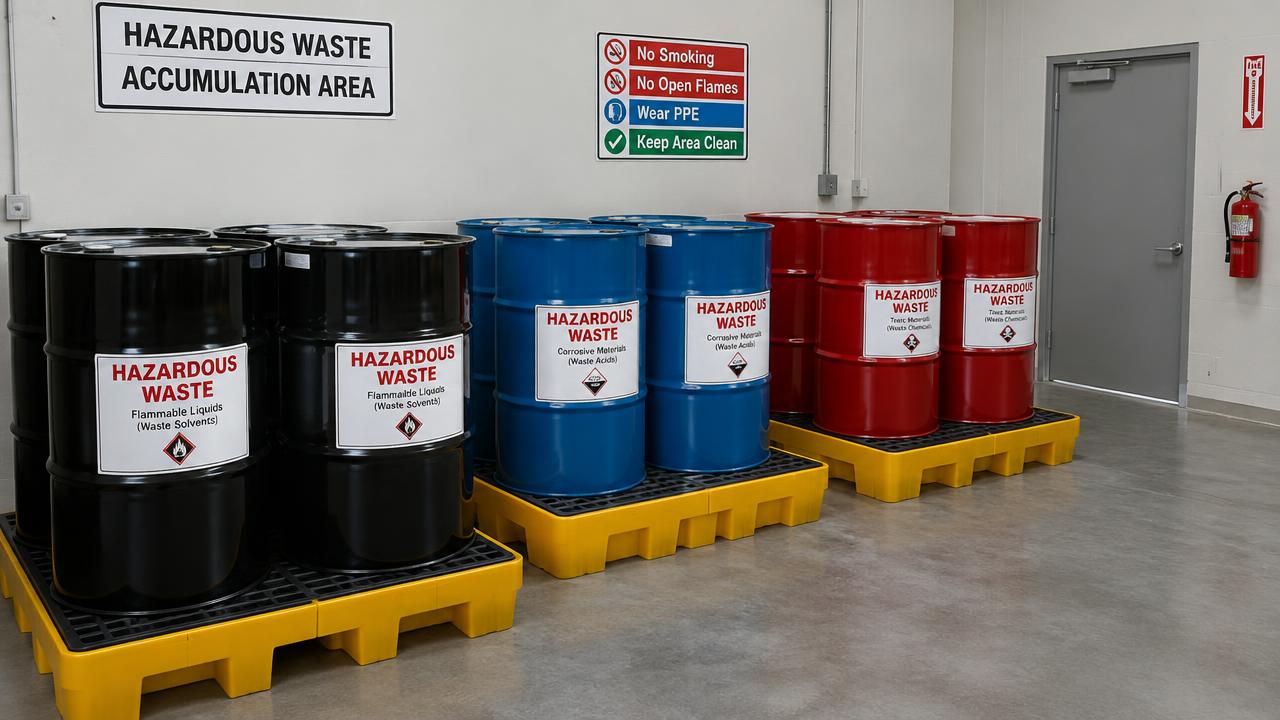
RCRA; 40 CFR Parts 260–262, 268, 273, 279; 49 CFR 172.704
Hazardous waste awareness under RCRA: identifying listed and characteristic wastes, generator categories, satellite and central accumulation, containers, labeling, weekly inspections, manifests, universal waste and used oil, emergency preparedness, and training responsibilities.
View course details →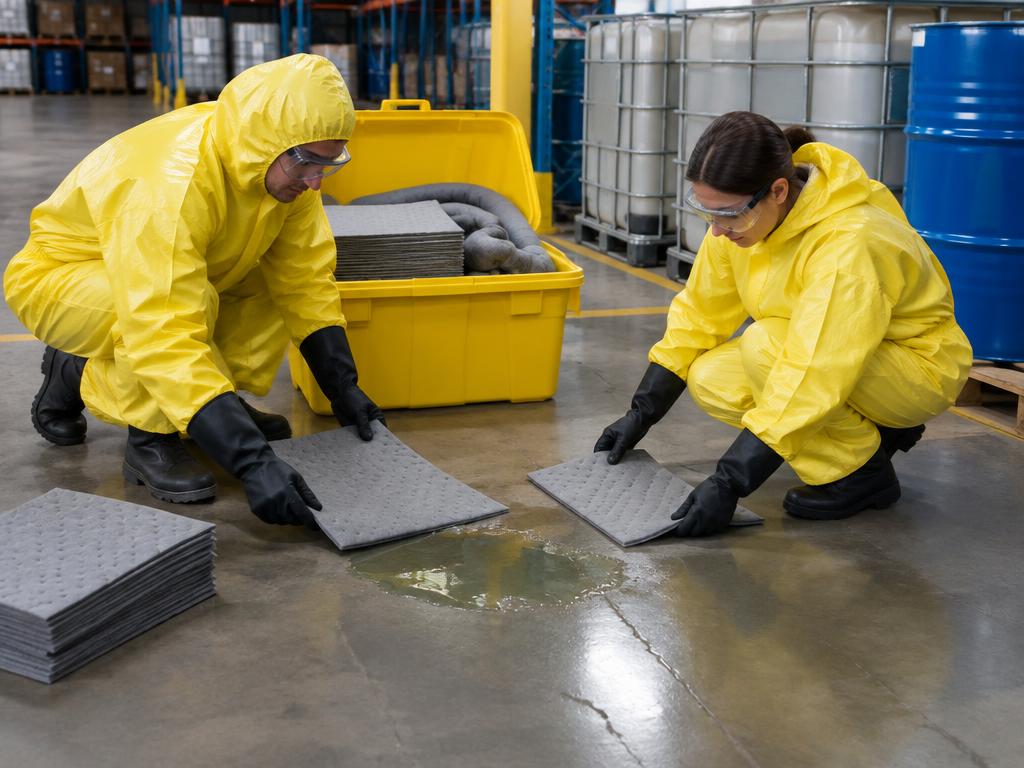
29 CFR 1910.120(q); 49 CFR 172; DOT Emergency Response Guidebook; 40 CFR 302 and 355 (EPA reporting); NFPA 704 (2027)
Awareness-level emergency response: hazardous substances, incidental versus emergency releases, GHS and NFPA 704 recognition, DOT placards, using the ERG, isolation, notification and EPA reporting, health effects, higher response levels, and your role in the emergency response plan.
View course details →
OSHA 29 CFR 1910.135 · 1926.100 · 1910.132
Twelve scenes with two narration-matched illustrative pictures per scene. Covers hazard assessment, impact types, electrical classes, fit, inspection, replacement, care, compatible PPE, bump caps, and daily use. Product appearance does not establish certification; follow the actual manufacturer’s instructions and employer’s assessment. Knowledge training is not OSHA certification.
View course details →
OSHA 29 CFR 1910.95
Recognize hazardous workplace noise, understand exposure limits and hearing conservation, reduce noise at its source, and correctly select, fit, inspect, and care for hearing protection.
View course details →OSH Act §5(a)(1) · OSHA/NIOSH heat guidance
Prevent heat illness with exposure assessment, acclimatization, hydration, cooling breaks, and buddy checks. Recognize heat exhaustion and heat stroke, and practice rapid emergency response. Apply your site plan and applicable state requirements; NIOSH recommendations are guidance, not universal legal thresholds.
View course details →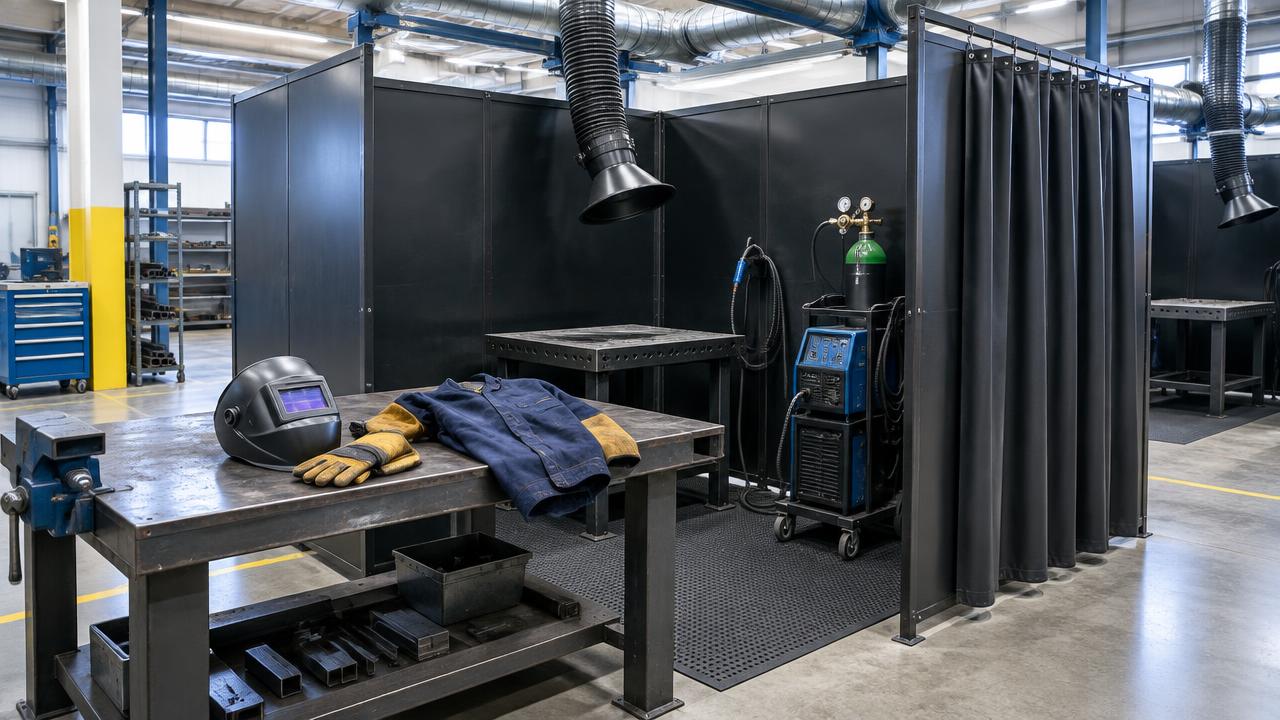
29 CFR 1910.1026; 1926.1126; 1915.1026; 1910.134; 1910.1200; 1910.1020; 40 CFR 63 Subpart N; 40 CFR 261.24
Hexavalent chromium sources, health effects, PEL and action level, exposure determination, engineering controls and substitution, regulated areas and respirators, protective clothing, hygiene and housekeeping, medical surveillance, hazard communication, EPA plating and waste rules, and daily protection.
View course details →
OSHA 29 CFR 1910.252–254
Awareness training on hot work under OSHA Subpart Q: authorization and permits, the 35-foot rule, fire watch duties, eye and body protection, fume ventilation, arc welding electrical safety, oxygen and fuel gas, and work on drums and tanks.
View course details →
49 CFR 172.101, 172.504, 173.31, 173.243, 174.67, 177.834; 29 CFR 1910.119, 1910.151, 1910.1000; 8 CCR 5155, 5189
How 30 to 70 percent hydrogen peroxide is classified and placarded, why decomposition and contamination drive the hazard, approved materials of construction, vents and relief devices, storage, railcar arrival and unloading steps, tote and drum handling, PPE and exposure limits, spill and fire response, and the process safety management threshold.
View course details →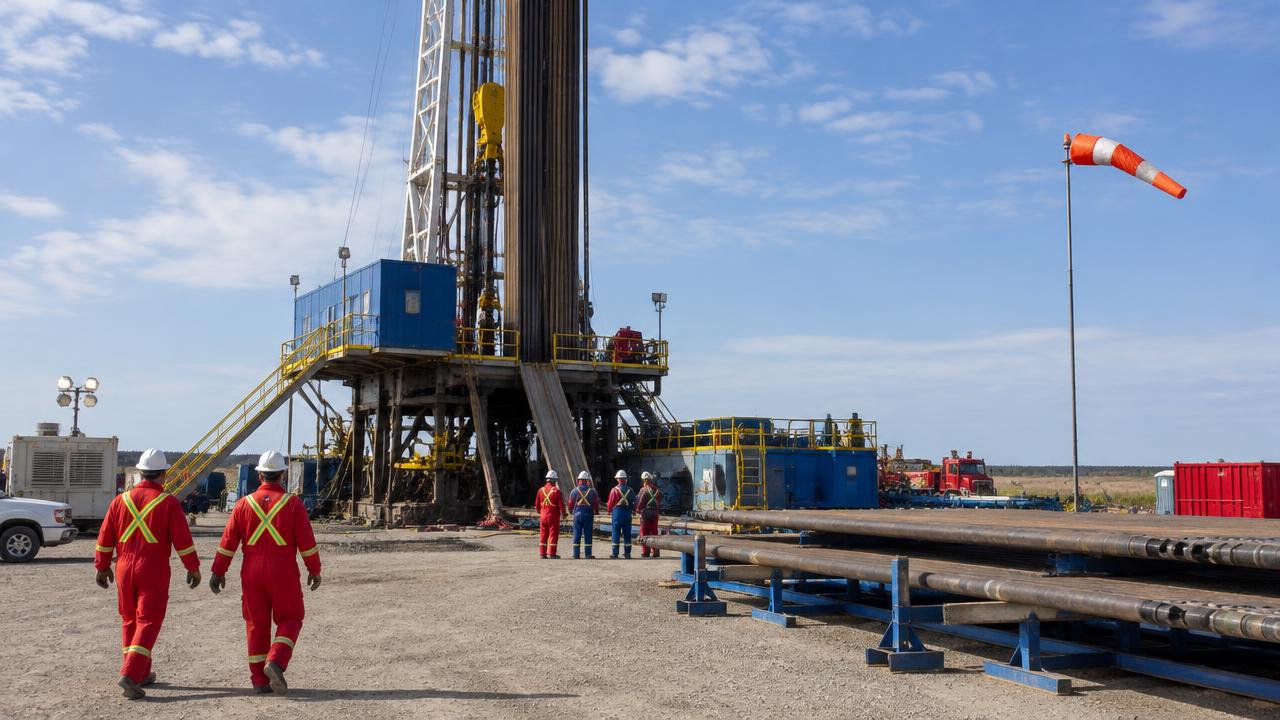
29 CFR 1910.1000 Table Z-2; 29 CFR 1926.55; 29 CFR 1910.146; 29 CFR 1910.134
H2S properties, sources, health effects by concentration, OSHA and recommended limits, gas detection and bump testing, wind direction and evacuation, rescue dangers, respiratory protection, and confined spaces.
View course details →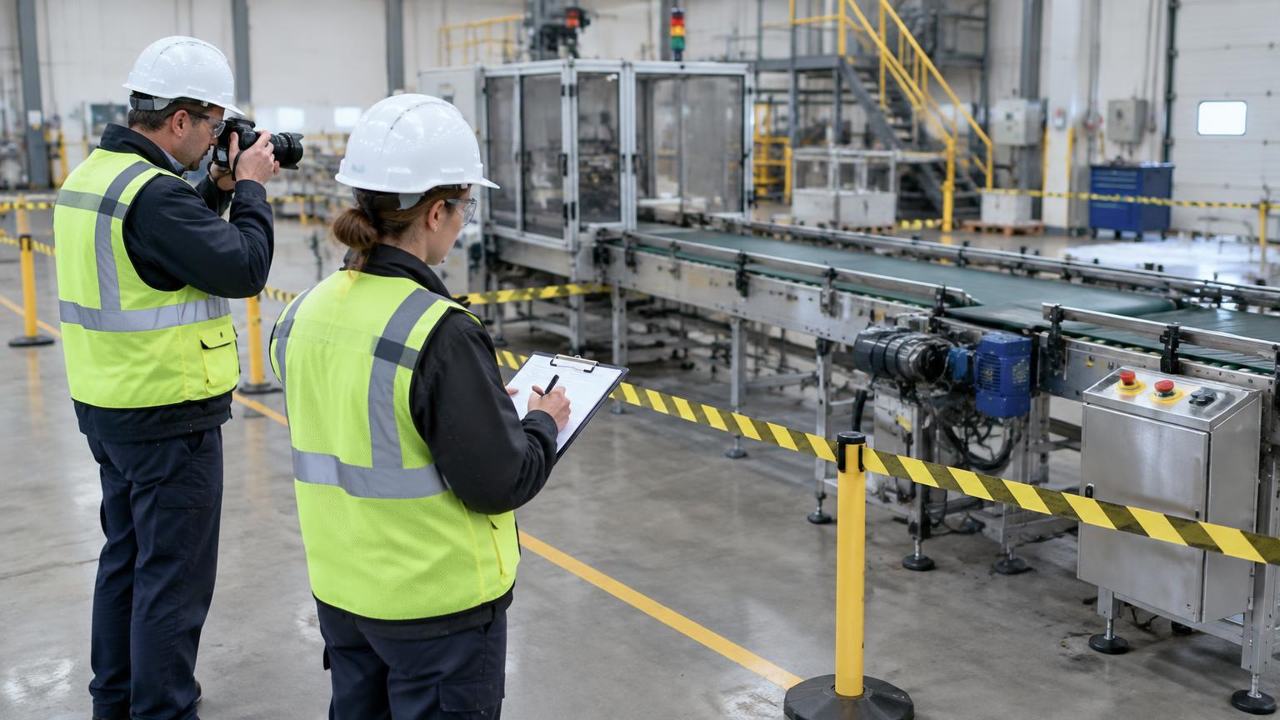
29 CFR 1904 (recording and reporting); 29 CFR 1910.119(m); OSHA Recommended Practices for Safety and Health Programs; ANSI/ASSP Z10.0-2019
Supervisor-level incident investigation: what to investigate, scene control and severe-injury reporting, evidence, interviews, timelines, root cause analysis, 5 Whys, fishbone and barrier analysis, hierarchy-of-controls corrective actions, recordkeeping connections, and follow-up.
View course details →
8 CCR 3396; 8 CCR 3203; California Labor Code 6310; NIOSH heat stress guidance
Awareness course on California’s indoor heat illness prevention standard: the 82°F and 87°F triggers, drinking water, cool-down areas, acclimatization, training, recognizing heat exhaustion versus heat stroke, emergency response, the written plan, high-risk indoor jobs, and control measures. Does not replace the employer’s written plan or site-specific training.
View course details →
OSHA 3071 guidance; OSH Act Section 5(a)(1); 29 CFR 1910.132; 1910.147; 1926.21(b)(2)
Break work into steps, identify exposure scenarios, choose effective controls, and reassess changes while distinguishing JHA guidance from specific OSHA duties.
View course details →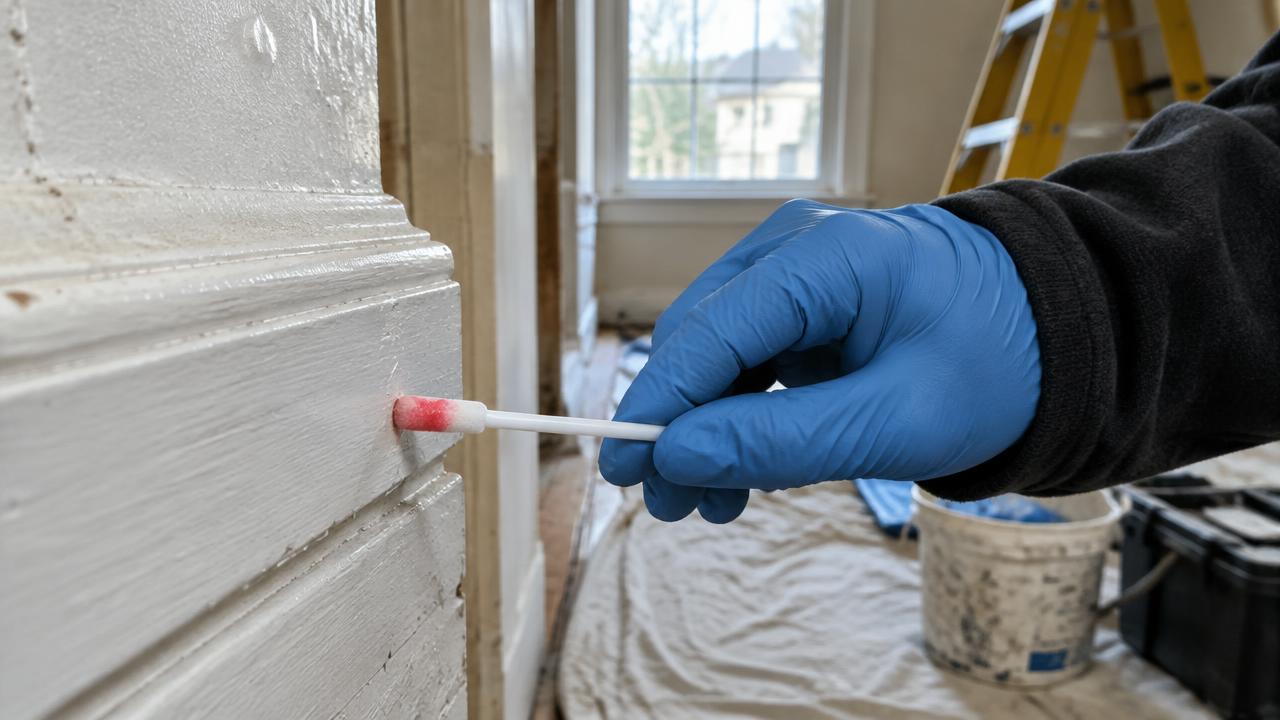
Lead Awareness
13 min29 CFR 1926.62; 29 CFR 1910.1025
Lead health effects, exposure sources, PEL and action level, trigger tasks, engineering controls, respirators, hygiene, take-home lead, medical surveillance and removal protection, and worker rights.
View course details →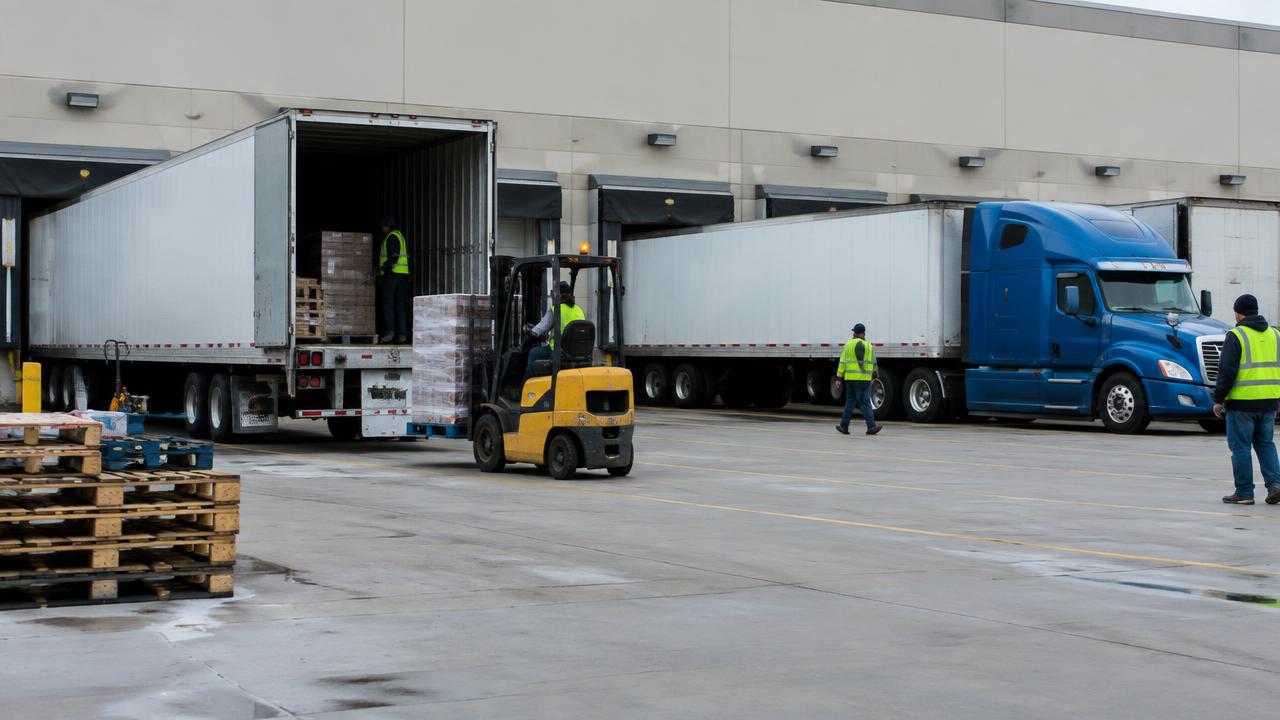
29 CFR 1910.178(h), (k), (m), (n); 1910.26; 1910.22; 1910.28; 1910.176; 1910.1000; ANSI MH30.1
Dock hazards, wheel chocks and vehicle restraints, dock communication lights, dock levelers and dockboards, trailer floor and landing gear checks, forklift operation at docks, fall protection at dock edges, pedestrians and drivers, manual handling, carbon monoxide and weather, and dock procedures.
View course details →
OSHA 29 CFR 1910.147
What hazardous energy is, the authorized/affected/other roles, how to recognize locks and tags, what to do when you see one, exceptions, notification, group lockout, and contractors, stored energy, the lockout sequence, jams and bypassed guards, e-stops and automation, investigation lessons, and reporting.
View course details →
OSHA 29 CFR 1910.147
Energy control program requirements, devices, the six-step lockout sequence, verification, release, group lockout, shift changes, contractors, and equipment examples for conveyors, presses, electrical, forklifts, pumps, and valves, plus hidden energy sources, live-dead-live testing, robots, minor servicing, line breaking, lessons from incidents, and California Title 8 section 3314.
View course details →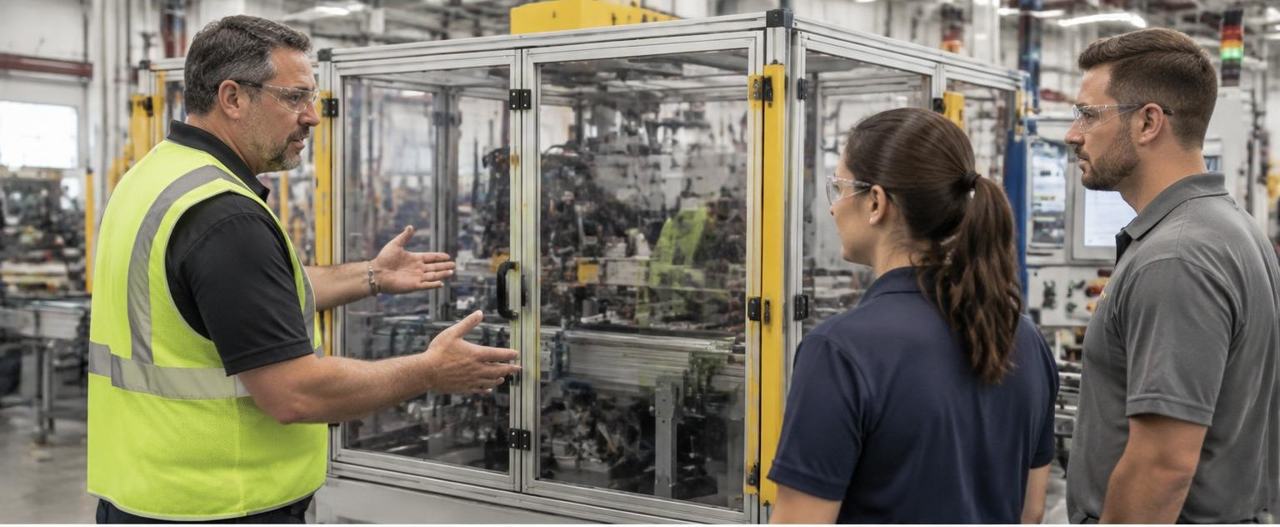
OSHA 29 CFR 1910.212; 1910.219; 1910.147
Recognize machine hazards, distinguish guard types and protective-device limits, inspect and report defects, and understand why stopping a machine is not hazardous-energy isolation.
View course details →
OSH Act Section 5(a)(1); 29 CFR 1904; 8 CCR 5110; NIOSH Lifting Equation; ISO 5349
Manufacturing ergonomics awareness: musculoskeletal disorders and risk factors, the power zone, workstation height and reach, manual material handling and the NIOSH lifting equation, mechanical assists, hand tools and vibration, repetition and job rotation, standing work, awkward postures, and early symptom reporting.
View course details →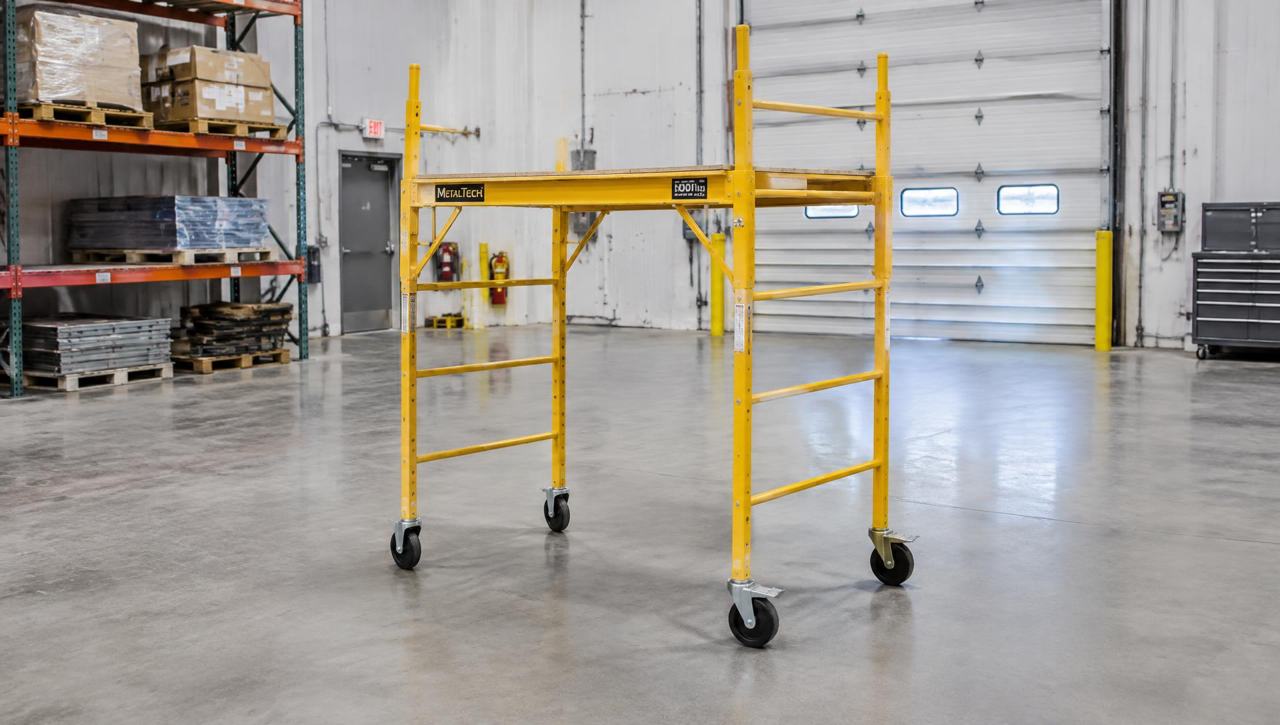
OSHA 29 CFR 1926.452(w); 29 CFR 1926.451; 1926.454
OSHA requirements for mobile and rolling tower scaffolds (Perry-type units): firm level surfaces, positive caster locks, the four-to-one height-to-base limit, platforms and guardrails, safe moving procedures, loading, power lines, weather, inspection, and training.
View course details →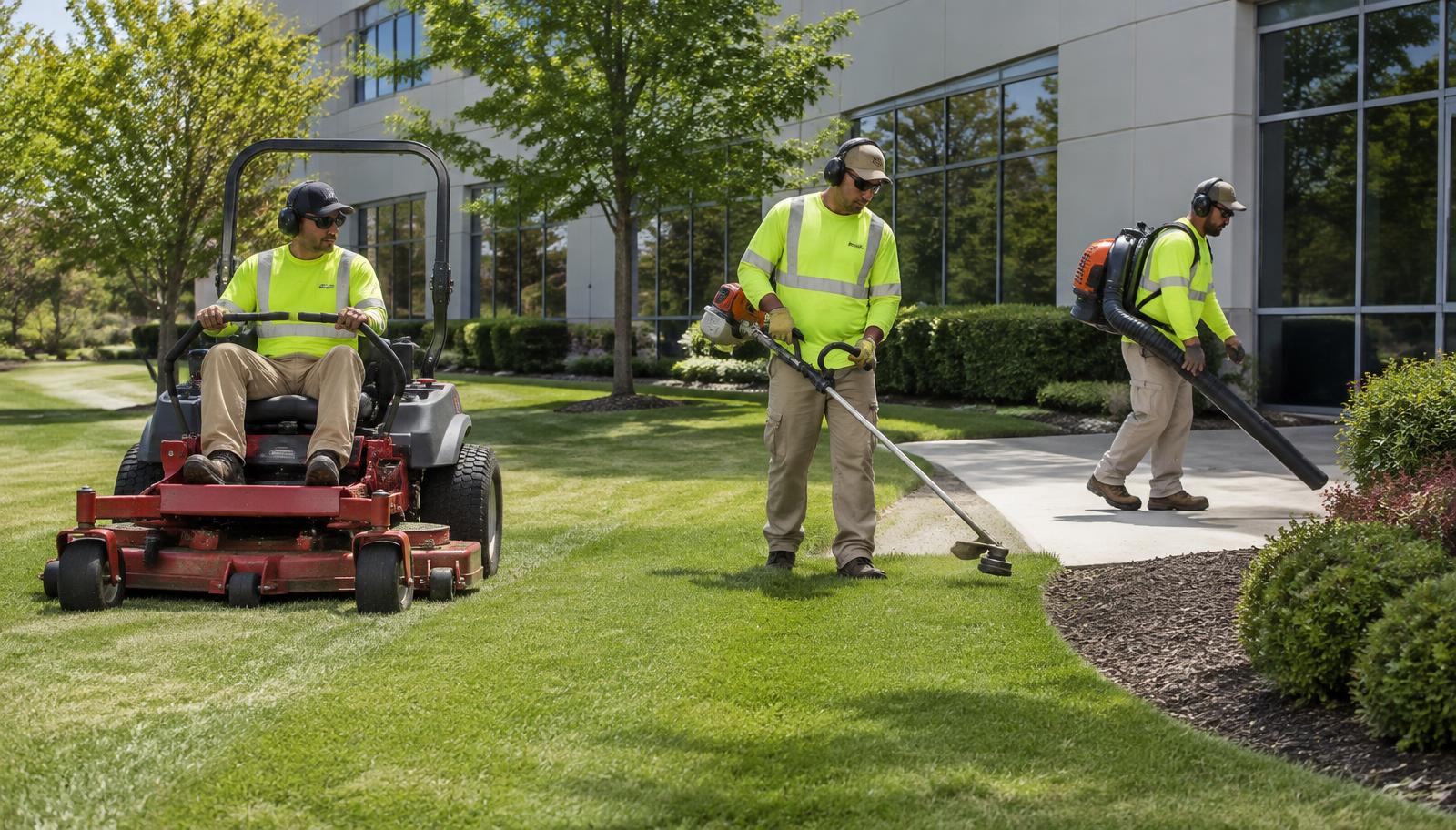
29 CFR 1910.132, 1910.133, 1910.95, 1910.212, 1910.147; 8 CCR §§3563, 5097, 3395; ANSI/OPEI B71.4-2017
Ride-on mower rollovers and slopes, drop-offs, thrown objects, clearing clogs, string trimmers, leaf blowers, hearing and eye protection, fueling, and transport for landscape crews.
View course details →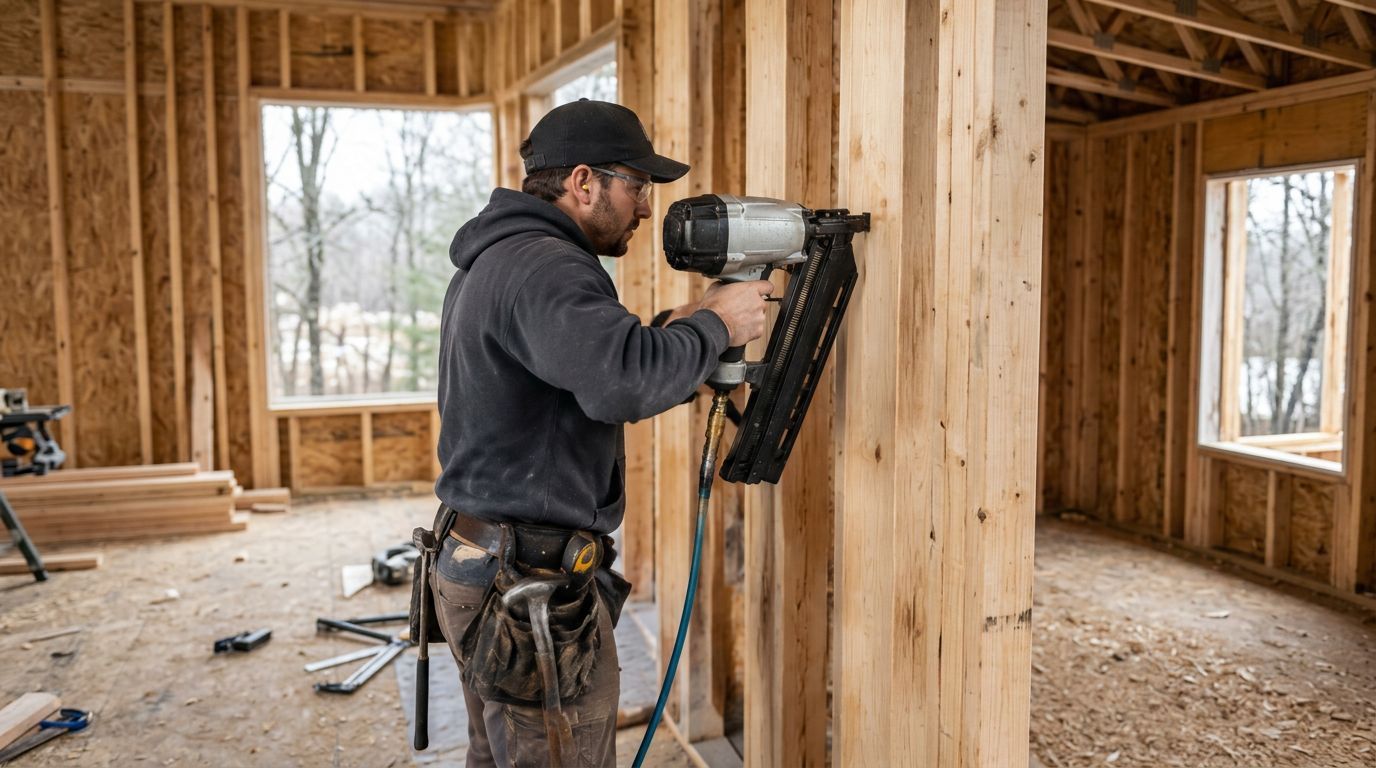
Nail Gun Safety
8 minOSHA 29 CFR 1926.302(b) / 1926.300–307
Nail gun types and injury patterns, sequential vs. contact triggers, daily inspection, disconnecting before jam clearing, safe nailing technique, knots and blow-through, ladder and overhead work, and PPE.
View course details →
OSH Act Sections 5 and 11(c); 29 CFR 1910 general industry training provisions
A full 30-minute first-day safety orientation for every new hire: rights and stop-work authority, job hazard analyses, the written prevention program, PPE, emergencies, first aid, injury reporting, chemicals, housekeeping, lifting, ergonomics, electrical safety, lockout, guarding, forklifts, tools, ladders, falls, heat, and the first 90 days. Employers add site-specific training.
View course details →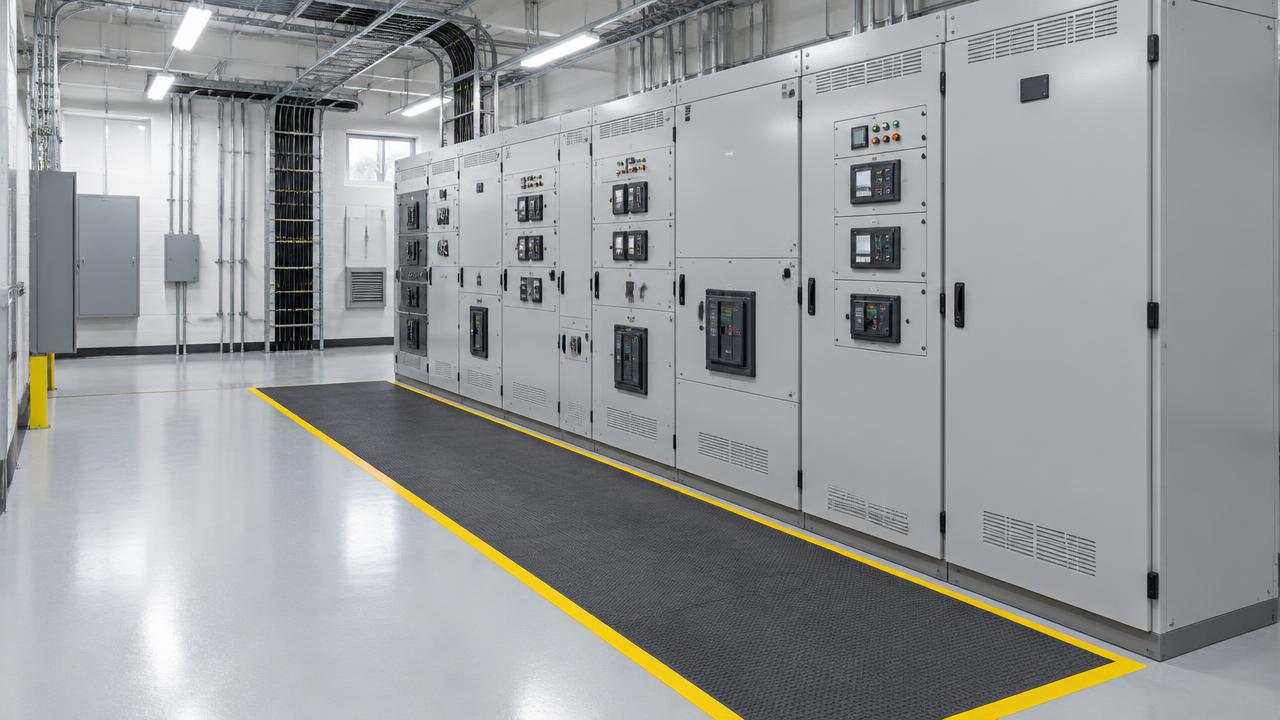
29 CFR 1910.331–335, 1910.137, 1910.147; 29 CFR 1926 Subpart K, 1926.1407–1411; NFPA 70E (2027); NFPA 70 (2026) (110.16, 240.87, 690, 705); NFPA 70B (2026); IEEE 1584-2018; ASTM D120-2022, ASTM F1506-2025, ASTM F1959-2024
Long-form (about 4 hours) NFPA 70E instruction in five parts: core requirements; electrical hazards, OSHA/NFPA structure, and the electrical safety program; the electrically safe work condition and shock protection; arc flash risk assessment, PPE, and energized work permits; and special equipment, emergency response, medium-voltage systems and advanced arc flash studies, and 40 detailed field scenarios. Knowledge supplement only — this course alone does not qualify any worker; employers must still provide hands-on, task- and equipment-specific training and evaluation.
View course details →
OSH Act Section 5(a)(1); 29 CFR 1904; 8 CCR 5110; NIOSH guidance
Office ergonomics awareness: how musculoskeletal disorders develop, the five risk factors, neutral posture, chair and workstation setup, monitor and input device placement, lighting and eye strain, mobile work, movement and microbreaks, office lifting, and early symptom reporting.
View course details →
29 CFR 1910.22–23, 1910.36–39, 1910.151, 1910.157, 1910.303–305; NFPA 101 (2027); NFPA 10 (2026); NFPA 13 (2025); ANSI/HFES 100; ANSI/ISEA Z308.1-2026; Cal. Lab. Code §6401.9
Office hazards and readiness: slips, trips, and falls, safe reaching and storage, file cabinets, electrical safety, ergonomics and lifting recap, fire prevention and extinguishers, exit routes, emergency action plans and evacuation, severe weather and earthquakes, workplace violence and security, first aid and AEDs, and your role.
View course details →
OSHA 29 CFR Part 1904
Supervisor-level awareness of OSHA injury and illness recordkeeping: work-relatedness, recording criteria, first aid versus medical treatment, day counts, special cases, the annual summary, retention, severe injury reporting, electronic submission, and employee reporting rights.
View course details →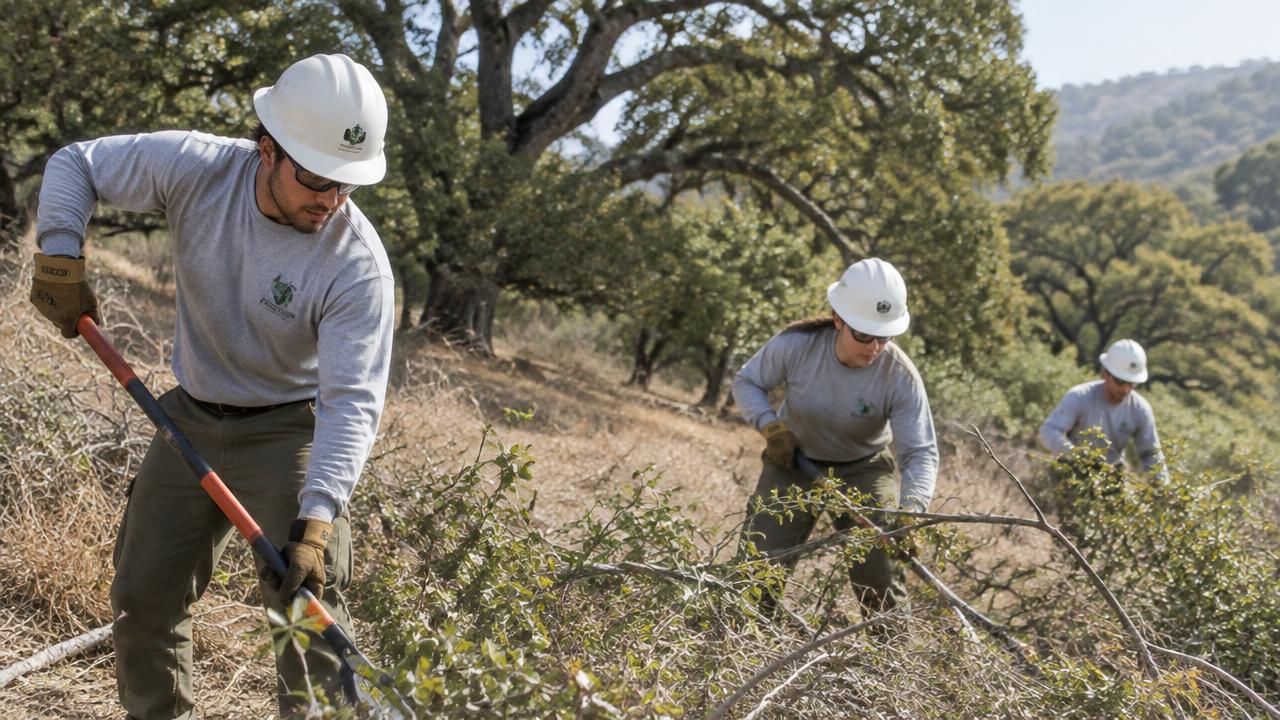
California Labor Code §6709; 8 CCR §§342, 3203, 5141, 5144; 29 CFR 1910.132, 1910.151; NIOSH and CDC outdoor worker guidance
Poison oak and poison ivy, stinging insects and allergic reactions, rattlesnakes, ticks and Lyme disease, Valley Fever prevention and California training requirements, and other outdoor biological hazards.
View course details →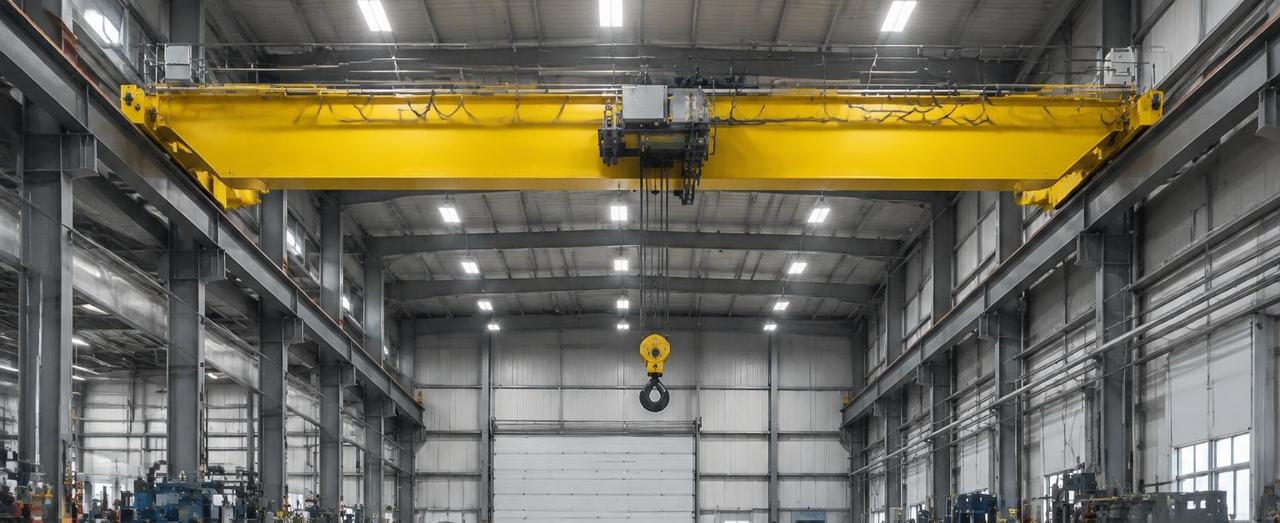
OSHA 29 CFR 1910.179
OSHA 1910.179 requirements for overhead and gantry cranes: crane types and parts, rated load markings, designated operators, frequent and periodic inspections, start-of-shift limit switch tests, maintenance lockout, and safe load handling.
View course details →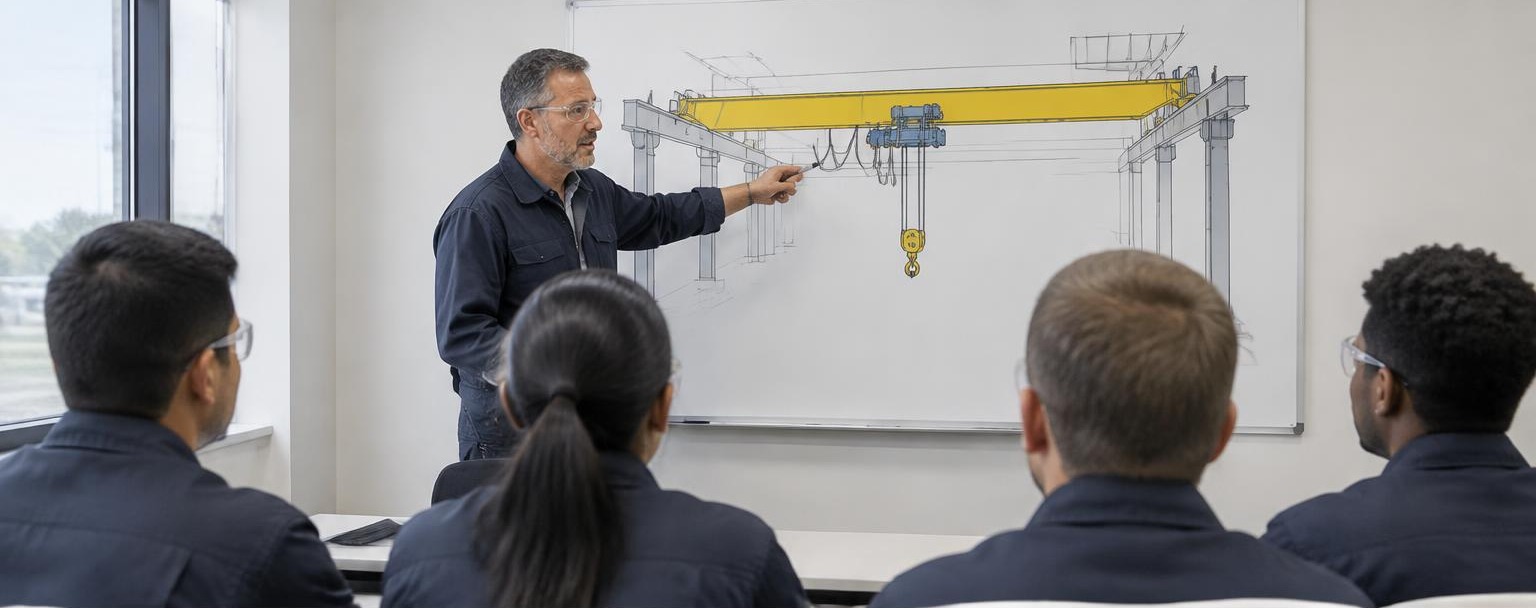
OSHA 29 CFR 1910.179; ASME B30.2-2022; ASME B30.16-2022; Cal/OSHA Title 8 Group 13
Classroom portion of overhead and gantry crane operator training under OSHA 1910.179: controls, rated capacity, load testing, inspection classes and idle-crane rules, start-of-shift limit switch tests, hook and rope removal criteria, attaching, moving, and landing loads, shutdown, signals, unattended loads, side pulls and tandem lifts, power lines and shared runways, industry standards and California rules, lockout, refusing unsafe lifts, and hands-on evaluation.
View course details →
OSHA 29 CFR 1910.176(b); OSH Act 5(a)(1); ANSI MH16.1-2023 / RMI
Understand OSHA storage rules and ANSI MH16.1/RMI rack standards: capacity, configuration, anchoring, impact protection, damage recognition, inspection, repair, loading, and forklift practices.
View course details →OSHA 29 CFR 1910.140 / 1926.502(d)
Deep-dive awareness training on personal fall arrest systems: the ABCs, pre-use inspection, harness fit, anchorage strength, connectors and lanyards, fall clearance, swing falls and sharp edges, prompt rescue, and removing equipment after a fall.
View course details →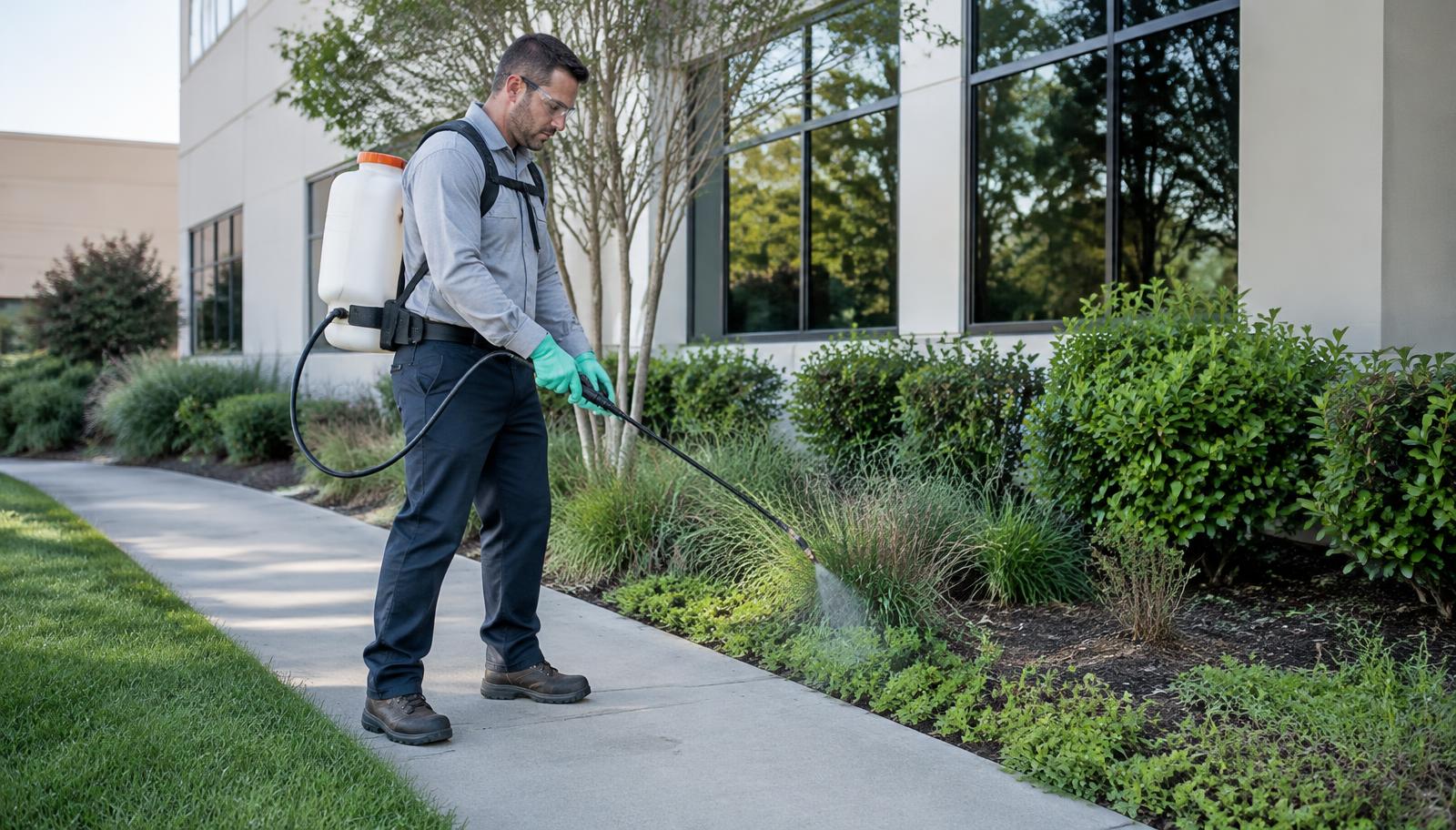
FIFRA §12(a)(2)(G); 40 CFR 156, 170; 3 CCR §§6700, 6702, 6724, 6726, 6738–6739, 6772; 29 CFR 1910.134, 1910.1200; 8 CCR §3395
EPA labels and signal words, federal and California rules, handler training and licensing, protective equipment and respirators, mixing, drift, re-entry, storage, spills, decontamination, exposure symptoms, and emergency care.
View course details →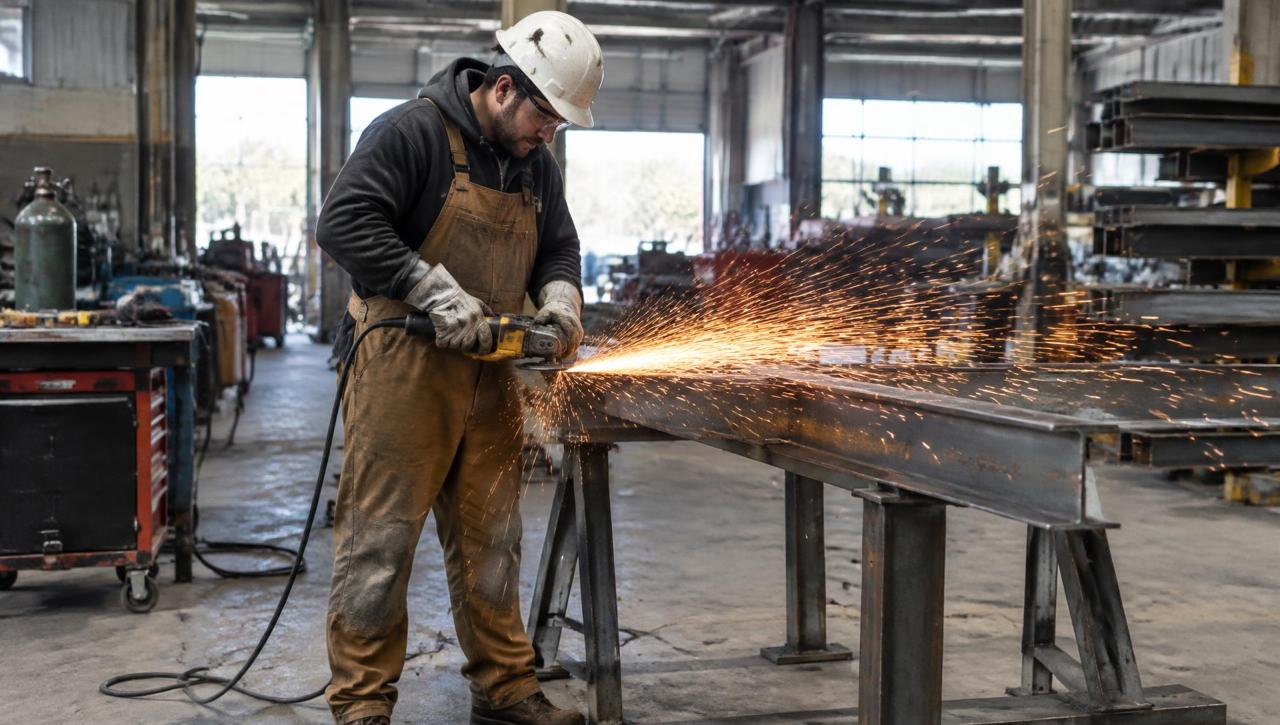
OSHA 29 CFR 1910.215; 1910.243(c); 1926.300–303
Portable (angle) grinder awareness covering disc and tool inspection, disc selection and speed ratings, mounting, guarding, PPE, two-handed control and kickback, cutting and grinding technique, spark and fire control, shutdown, and storage.
View course details →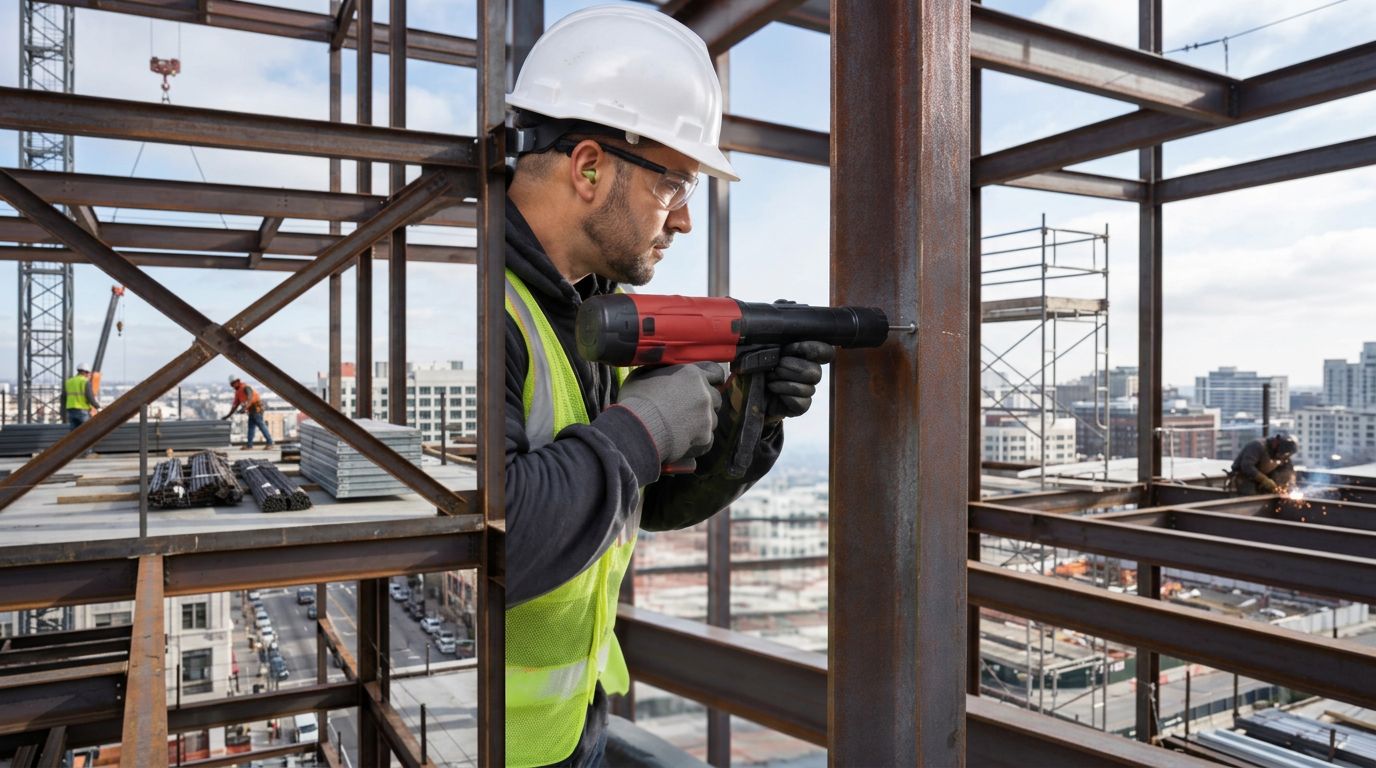
OSHA 29 CFR 1926.302(e) / 1910.243(d)
How powder-actuated tools work, operator training requirements, daily inspection, load and fastener selection, base material limits, safe firing, misfire response, and storage.
View course details →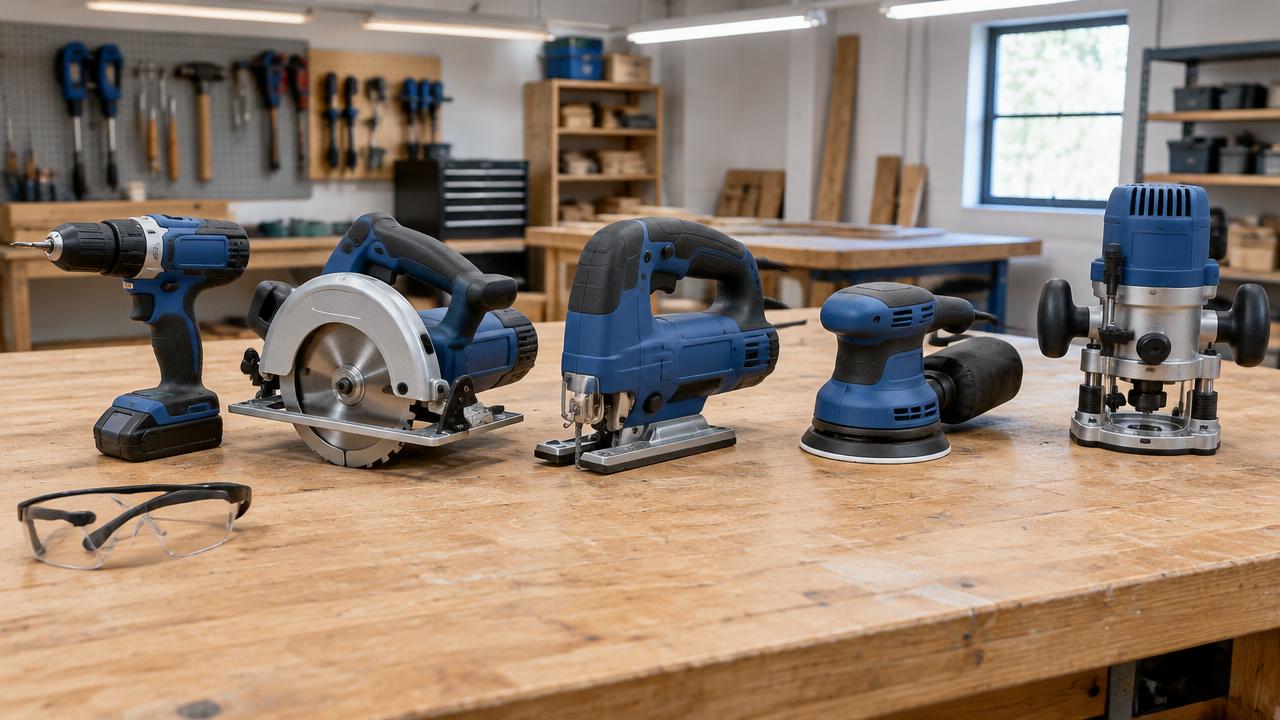
29 CFR 1910.242, 1910.243, 1910.334, 1910.132–133, 1910.147; 1926.300–304, 1926.404, 1926.1153; Cal/OSHA Title 8 §3203; ANSI Z87.1-2025; NFPA 70 (2026)
General portable power tool safety: injury causes, responsibilities, tool and accessory selection, pre-use inspection, cords and grounding, GFCI protection, switches, guards, drills, circular saw kickback, reciprocating and oscillating saws, routers and sanders, lithium-ion batteries, PPE, silica and vibration, and safe servicing. Grinders, nail guns, powder-actuated tools, and compressed air are covered in separate courses. Awareness level; hands-on evaluation on actual tools is still required.
View course details →
29 CFR 1910.119; 8 CCR §§5189, 5189.1; 40 CFR Part 68
What PSM covers, threshold quantities, California and EPA rules, and the key PSM elements: employee participation, process safety information, hazard analysis, procedures, training, contractors, pre-startup review, mechanical integrity, hot work, management of change, incident investigation, emergency planning, and audits.
View course details →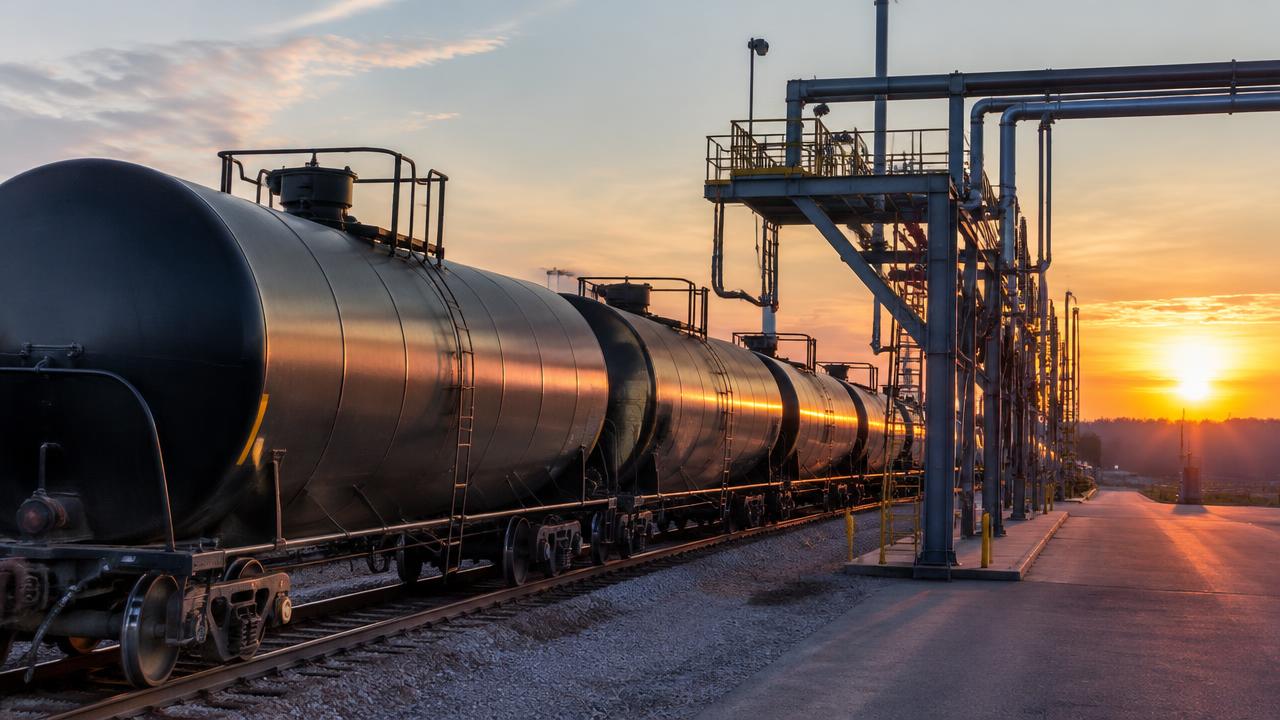
49 CFR 172.704, 173.31, 174.67, Parts 179, 218, 231, 232, 1580; 29 CFR 1910.28, 1910.146, 1910.178(k), 1910.1200; Cal/OSHA Title 8
Awareness-level course on railcar handling with hazmat: who regulates what (PHMSA, FRA, OSHA, Cal/OSHA, TSA), tank car types and fittings, track safety, crossing, mounting and dismounting, three points of contact, never going between, blue signal protection and derails, car movers, hand brakes and securement, pressure hazards, padding and vacuum, hoses, bonding, top and bottom unloading, monitoring, disconnecting, residue cars, pre-loading inspection, outage, placards, boxcars and hoppers, confined spaces, security, emergencies, and reporting. Includes scenario questions and practice pauses. Does not replace employer procedures or hands-on evaluation.
View course details →
OSHA 29 CFR 1904.35; 1904.7; 1904.39
Recognize injuries and developing symptoms, prioritize care, report promptly and accurately without retaliation, and distinguish employee reports from employer OSHA recordkeeping and serious-event notification.
View course details →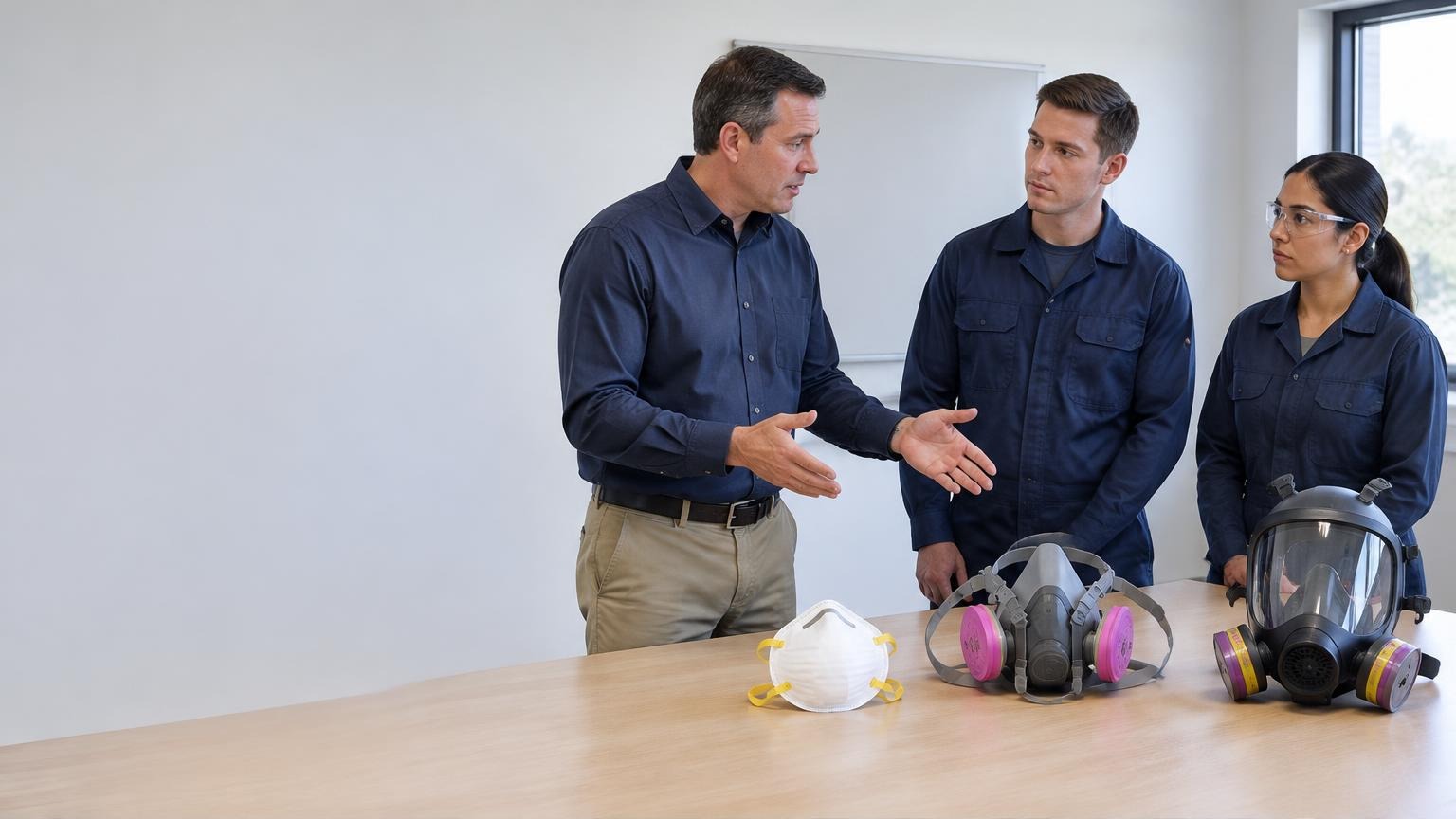
OSHA 29 CFR 1910.134; construction: 29 CFR 1926.103
Original respiratory protection awareness covering exposure controls, equipment selection, medical evaluation, fit testing, seal checks, safe use, cartridge schedules, care, voluntary use, and unknown atmospheres. Construction respiratory protection uses 1910.134 through 1926.103. Illustrative pictures are not equipment certifications or hands-on demonstrations.
View course details →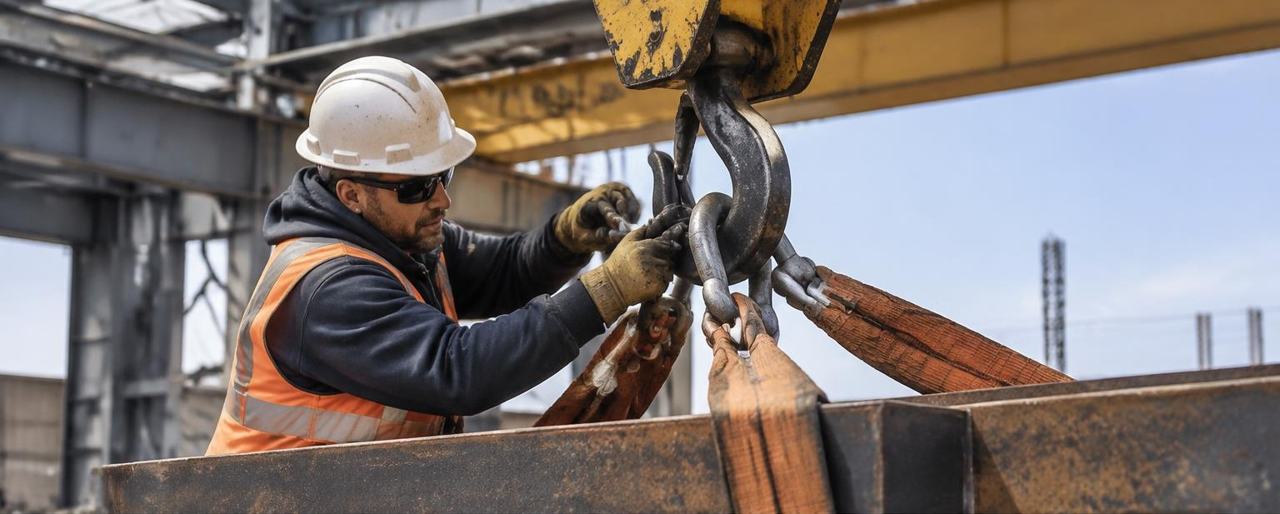
OSHA 29 CFR 1910.184; 29 CFR 1910.179(n); ASME B30.2-2022
OSHA 1910.184 sling requirements and crane signaling: sling types, daily competent-person inspections, detailed inspection by sling type, damaged-sling rejection criteria, identification tags, hitch types, sling-angle math, safe rigging practices, a preview of basic hand signals, and control of suspended loads.
View course details →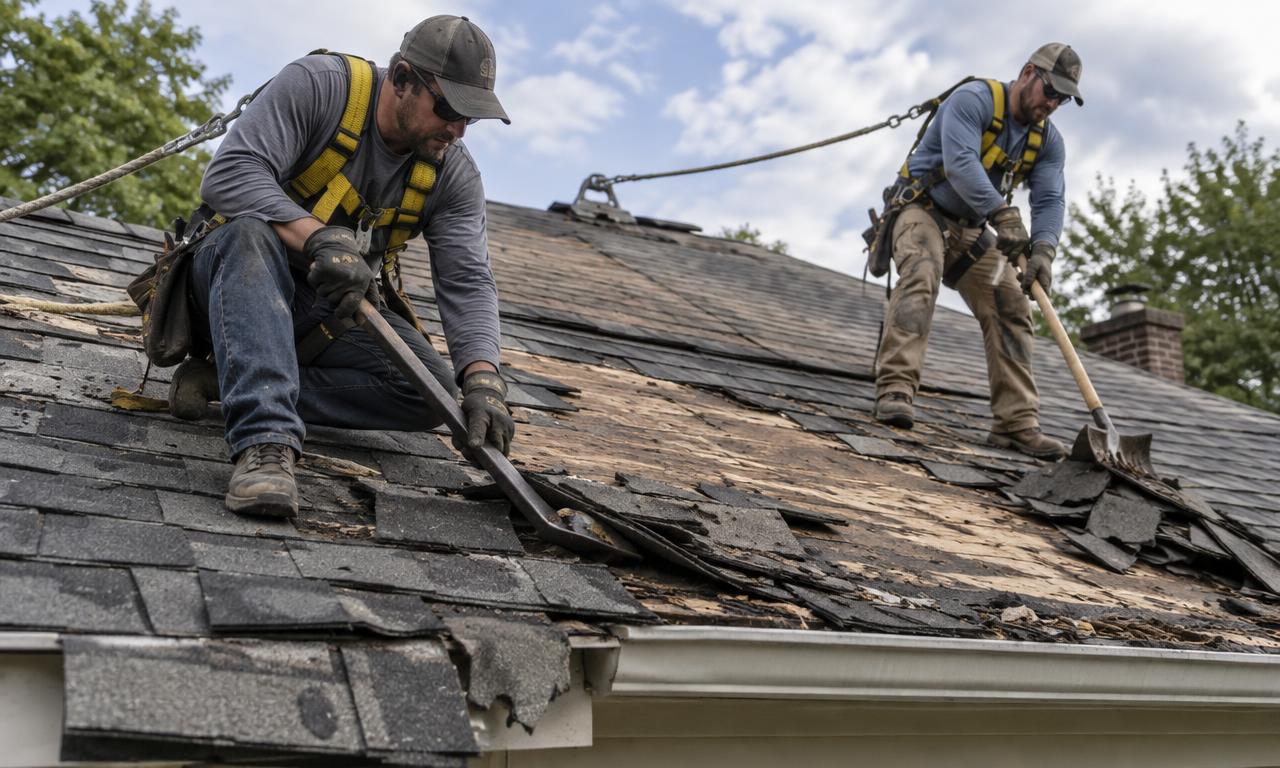
8 CCR 1731, 1730, 1736, 1724, 1729, 1728, 1740, 1741, 1743, 3556, 1509, 3203, 3395, 341.6–341.9, 1529; 29 CFR 1926.1101, 1926.62, 1926.1153, 1910.132; 40 CFR 61.145
Awareness course on roof tear-off and material handling in California: planning and surveying the job, asbestos in older roofs, lead and unknown coatings, silica from cutting and grinding, coal tar and hot asphalt work, PPE and hand tools, debris chutes and drop zones, housekeeping and nails, material placement and stockpiles, hoisting boundaries, ground-level traffic control, heat illness prevention, and documentation.
View course details →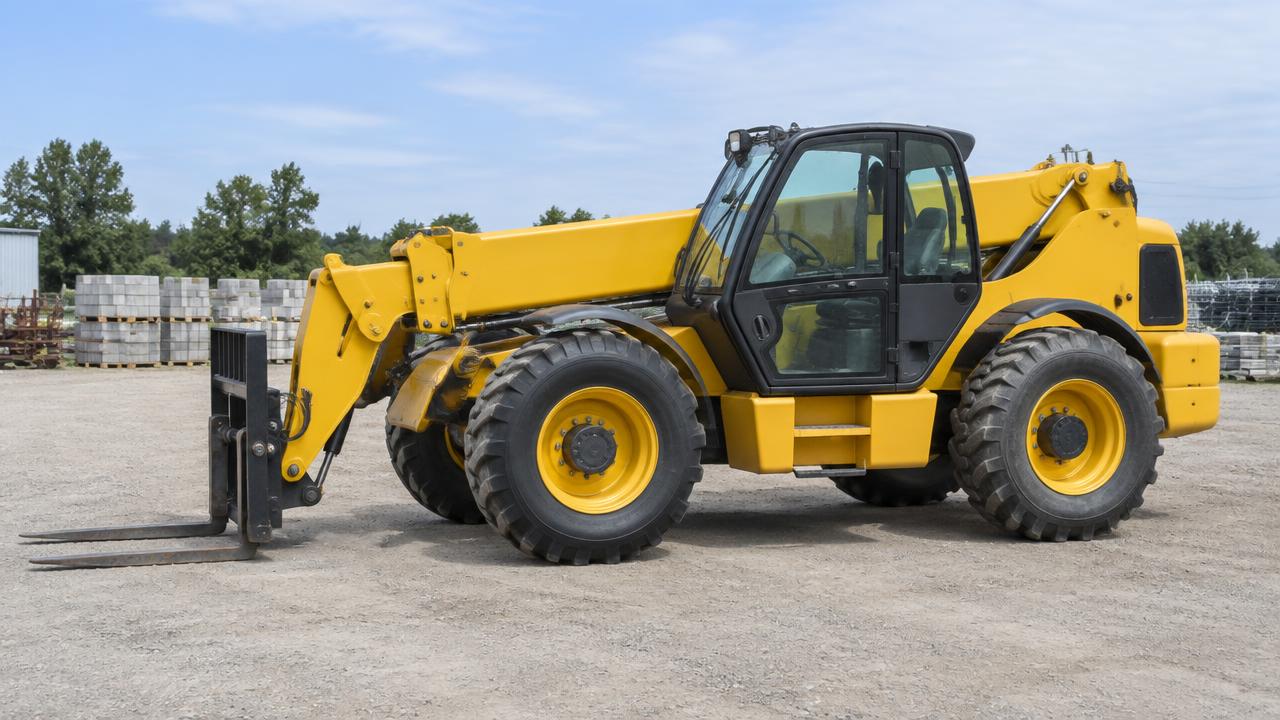
29 CFR 1910.178, 1926.602; 8 CCR 3650, 3653, 3657, 3668, 2946; ANSI/ITSDF B56.6-2021
Standalone awareness course on telehandlers and straight-mast rough terrain forklifts: inspection, restraints, variable-reach load charts, soft ground, slopes, frame leveling, stabilizers, pedestrians, power lines, attachments, personnel-platform restrictions, refueling and trailer transport. No prerequisite course; does not qualify or authorize operators.
View course details →
OSHA Recommended Practices for Safety and Health Programs; OSH Act Sections 5(a), 11(c); 29 CFR 1926.20–21; 29 CFR 1904.35; ANSI/ASSP Z10.0-2019; ISO 45001
Long-form (about 30 minutes) practical supervisor leadership: legal duties and supervisor legal exposure, running toolbox talks, coaching unsafe behavior, leading and lagging safety indicators, incident response, safety culture, documentation, realistic scenarios, plus pre-shift expectations, leading by example, hazard identification, safety conversations, stop work authority, training and competence, leading and lagging indicators, contractors, fair accountability, and safety culture.
View course details →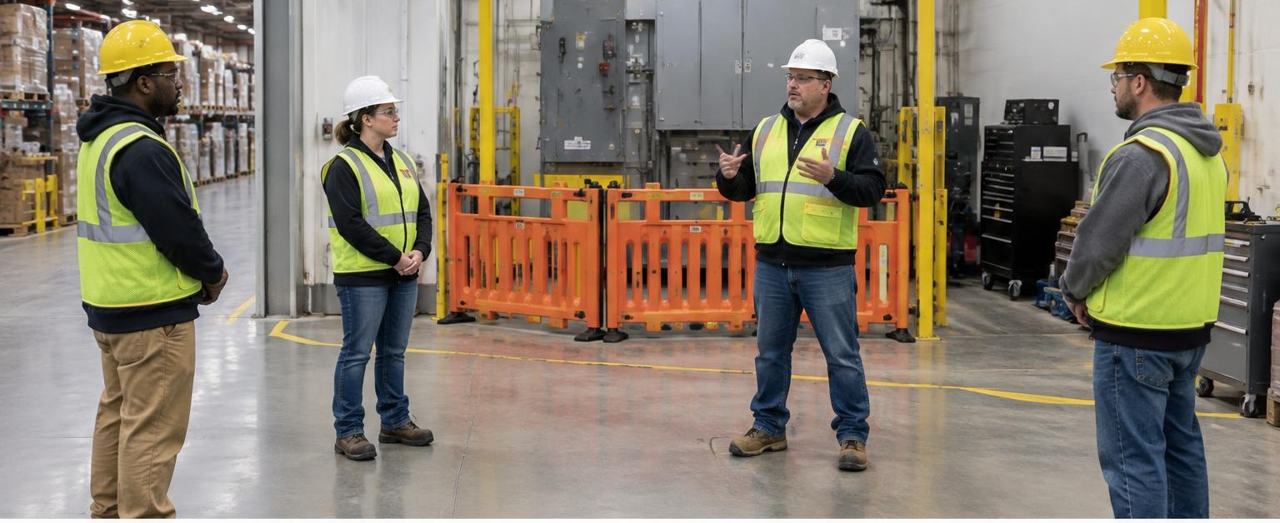
OSHA 29 CFR 1910.145; 1926.200; 1926.201
Recognize danger, caution, and safety instruction signs; understand temporary tags, restricted-area barricades, traffic controls, exit markings, reporting, and site-specific access rules.
View course details →
OSHA 29 CFR 1926 Subpart L (1926.450-454); 1926.502(d); 29 CFR 1910.27(a); Cal/OSHA Title 8 §1637 et seq.
OSHA scaffold requirements for construction and general industry: qualified design, competent supervision and inspection, scaffold types, erection and dismantling, capacity, foundations, inspections, platforms, access, fall protection and anchorages, suspended and specialty scaffolds, falling objects, conditions, Cal/OSHA, emergencies, and training.
View course details →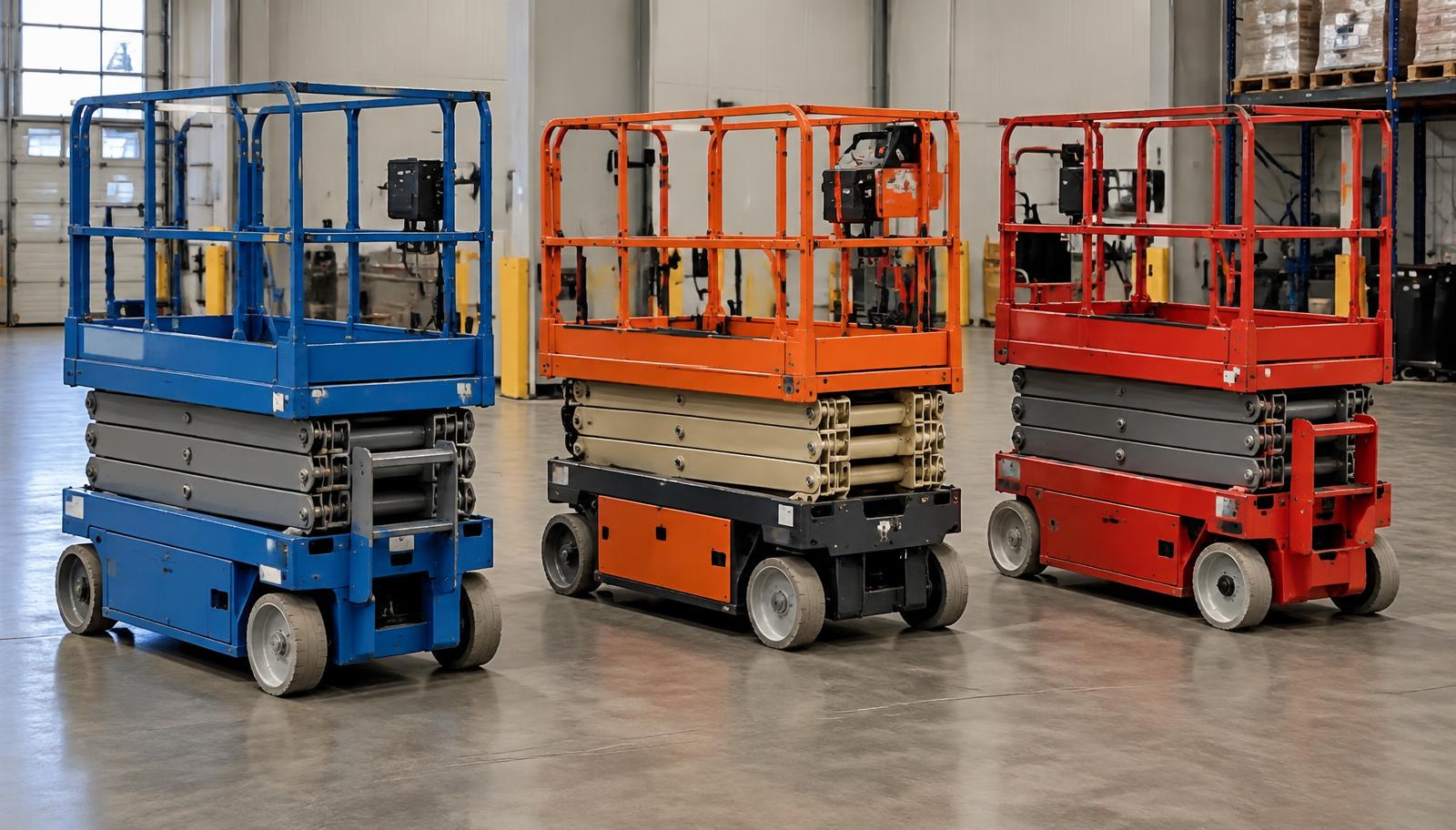
29 CFR 1926.441, 1926.404, 1926.152, 1926.153, 1926.150; 1910.106, 1910.110, 1910.151(c), 1910.132; NFPA 58 (2024)
How to safely charge electric scissor lifts, water batteries, handle acid spills, refuel diesel rough-terrain units, change propane on dual-fuel lifts, prevent fires, and handle damaged batteries and chargers, including required PPE.
View course details →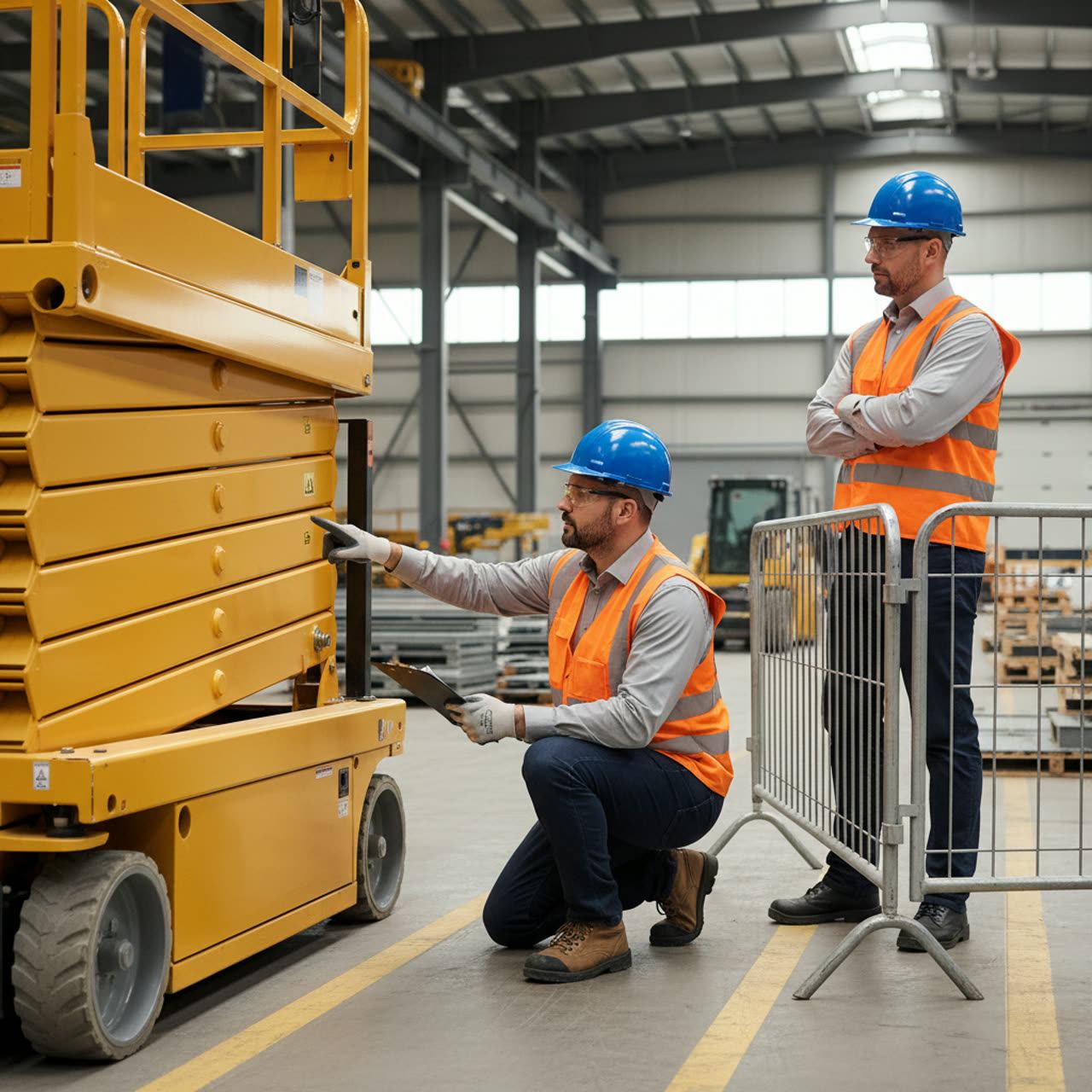
29 CFR 1926.451(f), (g), 1926.452(w); 1910.132; ANSI/SAIA A92.20-2021, ANSI/SAIA A92.22-2021, ANSI/SAIA A92.24-2018
A detailed scissor lift pre-start inspection: out-of-service rules, inspection PPE, walkaround, decals and capacity plate, tires and pothole protection, scissor stack and hoses, guardrails and gate, battery and manual lowering, control and emergency stop tests, drive and safety devices, workplace inspection, and documentation.
View course details →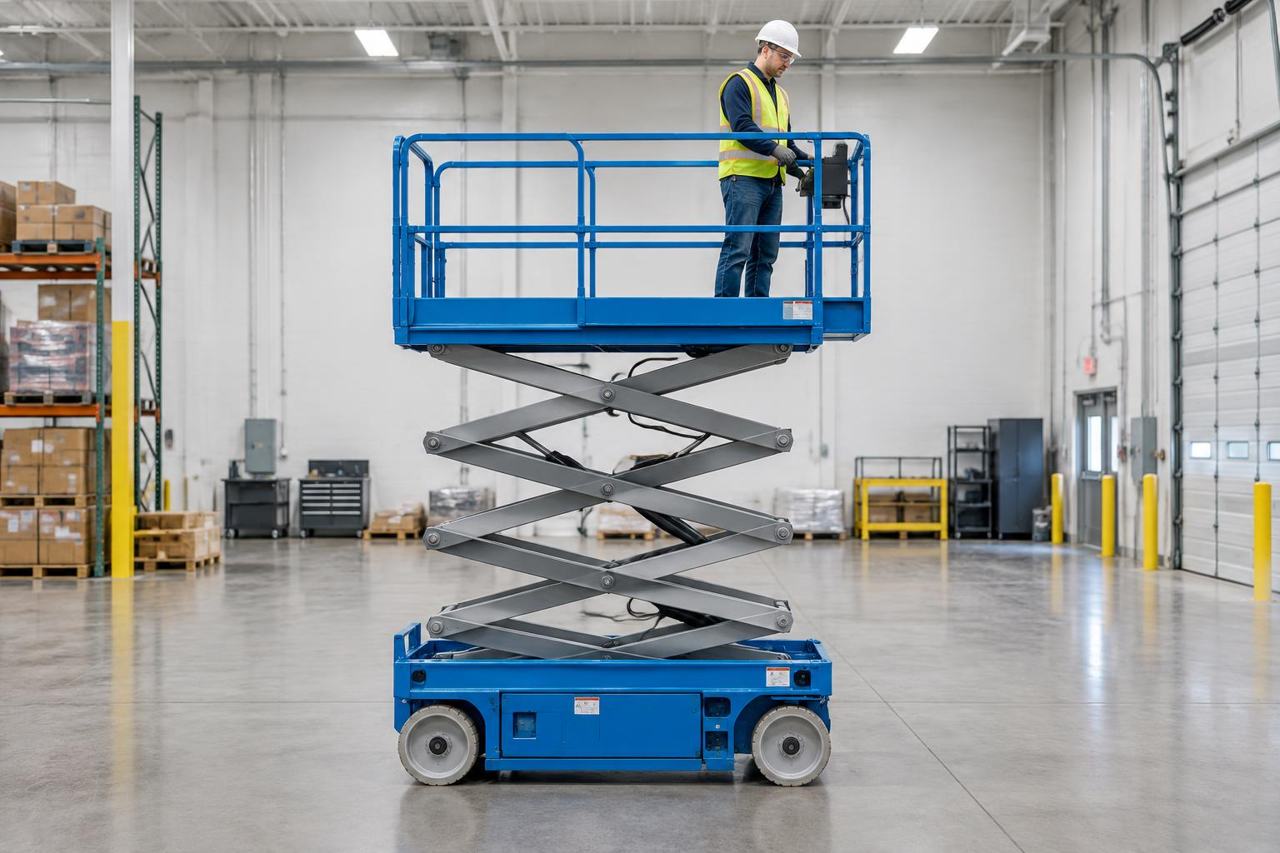
OSHA 29 CFR 1926.451 · 1926.452(w) · 1926.454 · 1910.27(a)
Covers accident patterns, roles and training duties, ANSI A92 familiarization, inspection, guardrails, stability, wind, capacity, falling objects, overhead and electrical hazards, traffic, travel, charging and maintenance, emergency lowering, practical scenarios, and shutdown. Based on OSHA's Working Safely with Scissor Lifts alert (OSHA 3842) and scaffold guidance. Generated images are illustrative, not verified operating demonstrations; manufacturer instructions, site procedures, and hands-on training remain essential.
View course details →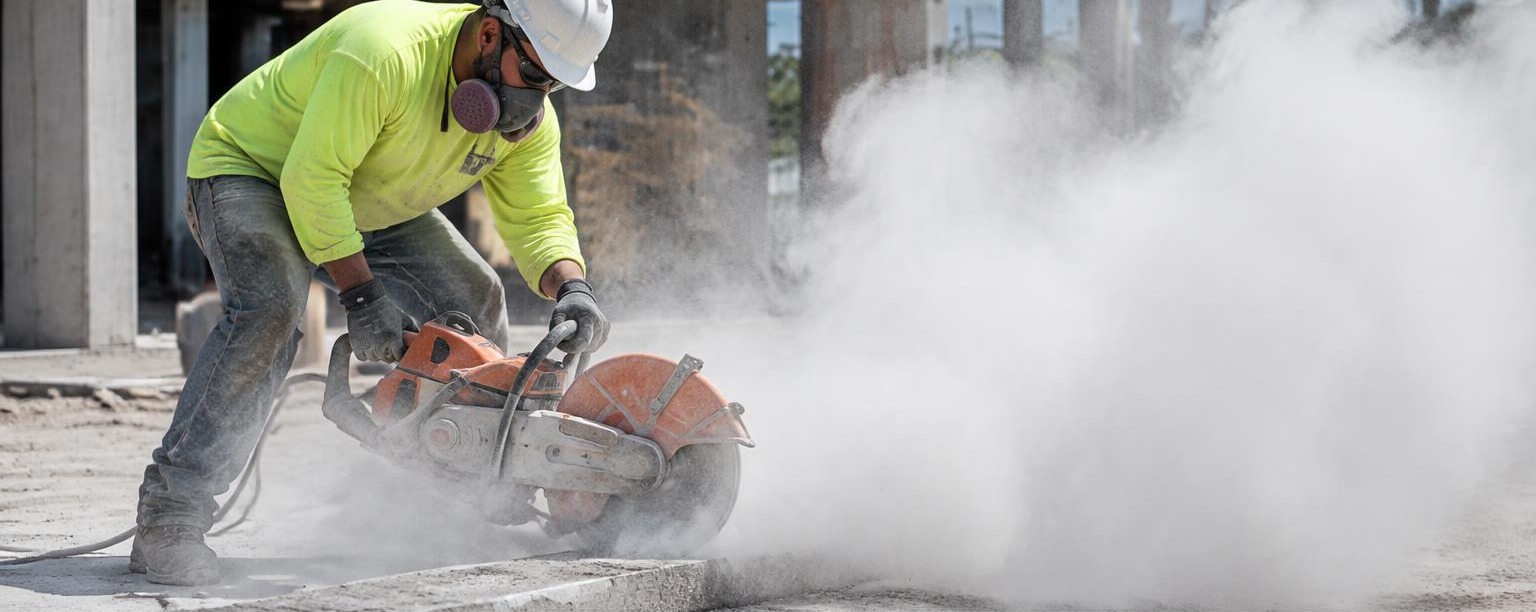
OSHA 29 CFR 1926.1153
Awareness training on respirable crystalline silica in construction: sources, health effects, exposure limits and Table 1, water and vacuum controls, respirators and medical surveillance, housekeeping, and the written exposure control plan.
View course details →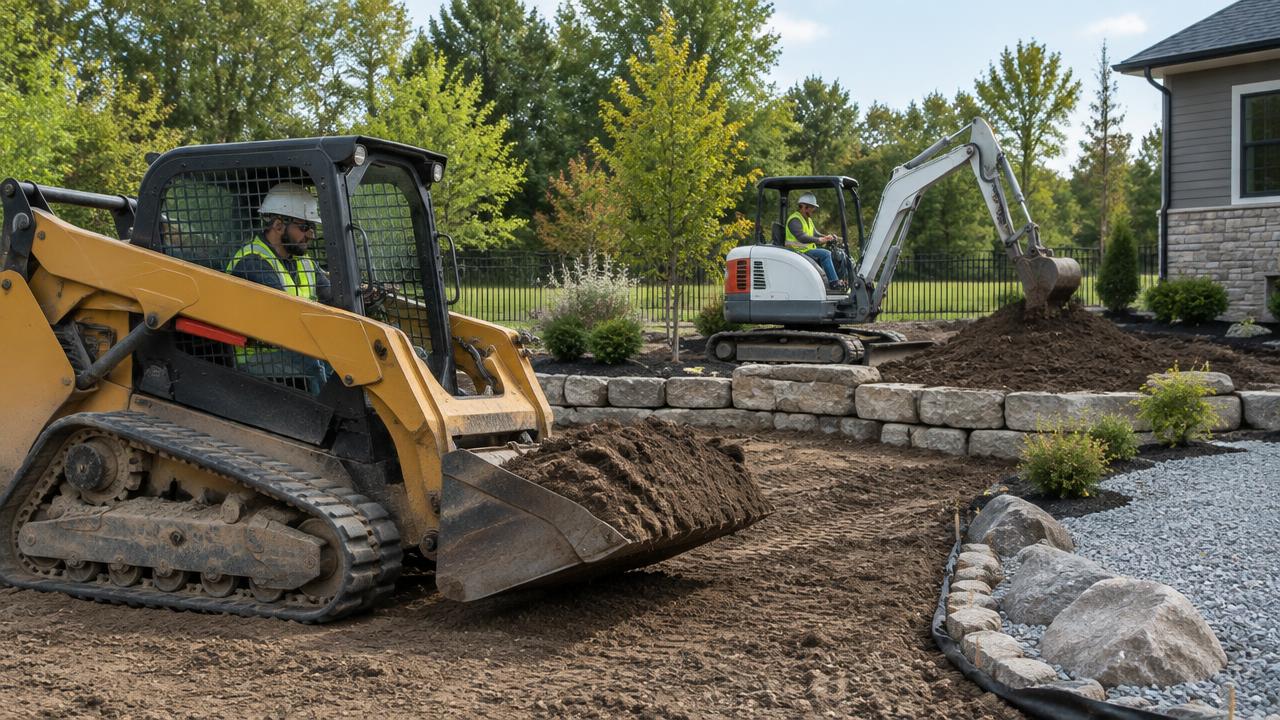
29 CFR 1926.600, 1926.602, 1926.651, 1926.1001; 8 CCR 1590–1596, 3653; 49 CFR 393.130
Skid-steer and mini-excavator hazards: rollovers, crushing under raised loader arms, swing-radius struck-by and pinch points, pre-use inspection, ROPS and seat belts, slopes and edges, digging and 811, attachments and quick couplers, and loading and securing machines on trailers.
View course details →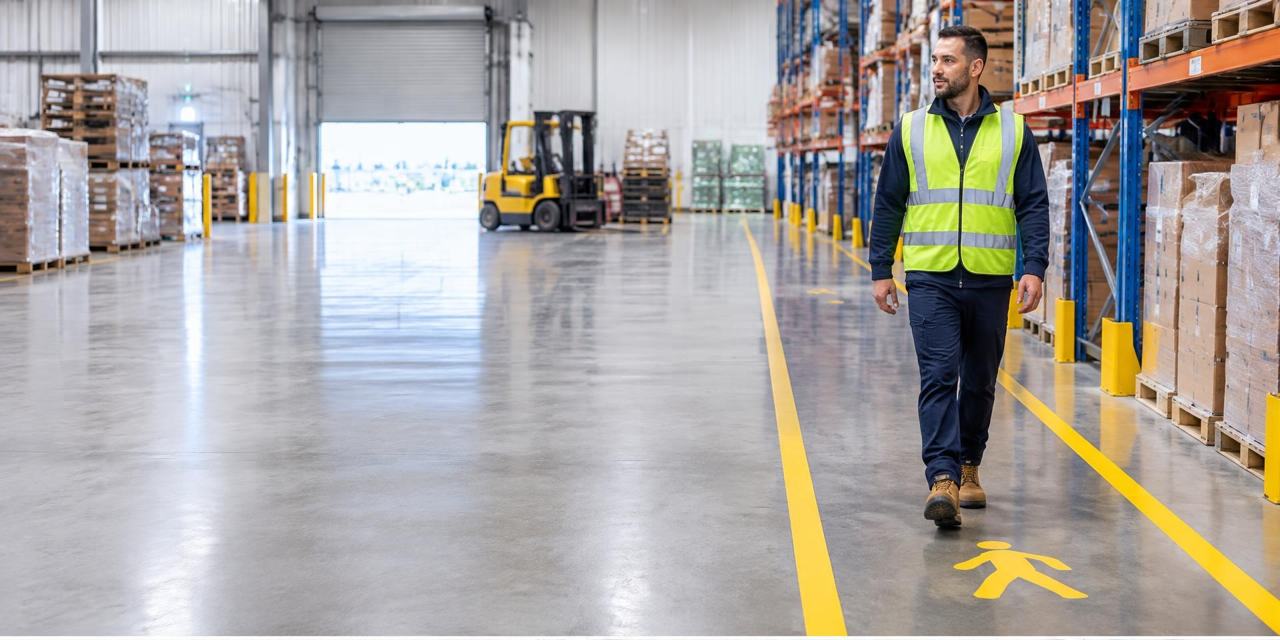
OSHA 29 CFR 1910.22 · 1910.23 · 1910.25 · 1910.28 · 1910.30
Twelve scenes with two distinct illustrative pictures each. Covers inspection, housekeeping, spills, footwear, stairs, weather, lower-level hazards, reporting, and response. General-industry requirements are distinguished from construction. Knowledge training is not OSHA certification or complete task-specific instruction.
View course details →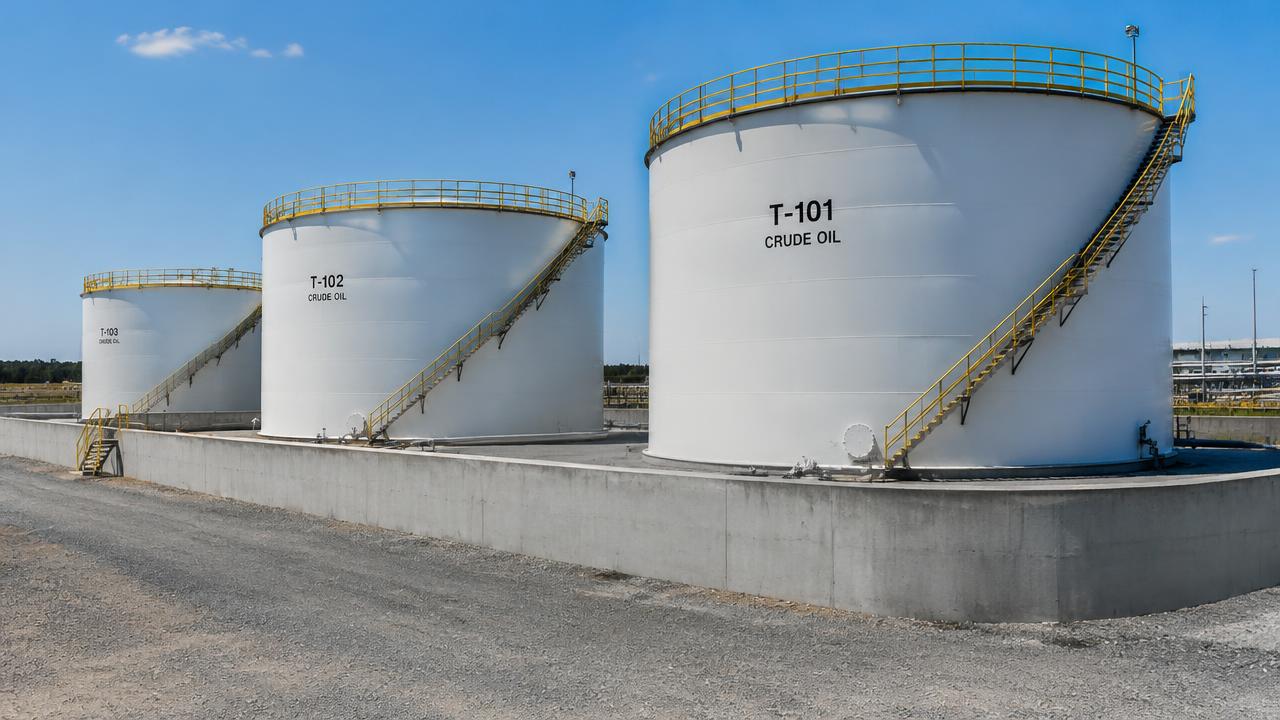
40 CFR Part 112 (SPCC); 40 CFR Part 110; Clean Water Act Section 311
SPCC awareness under 40 CFR 112: what counts as oil, applicability thresholds, the SPCC Plan, secondary containment, drums and portable containers, inspections, overfill prevention, transfers, dike drainage, spill countermeasures, discharge reporting, and required training and briefings.
View course details →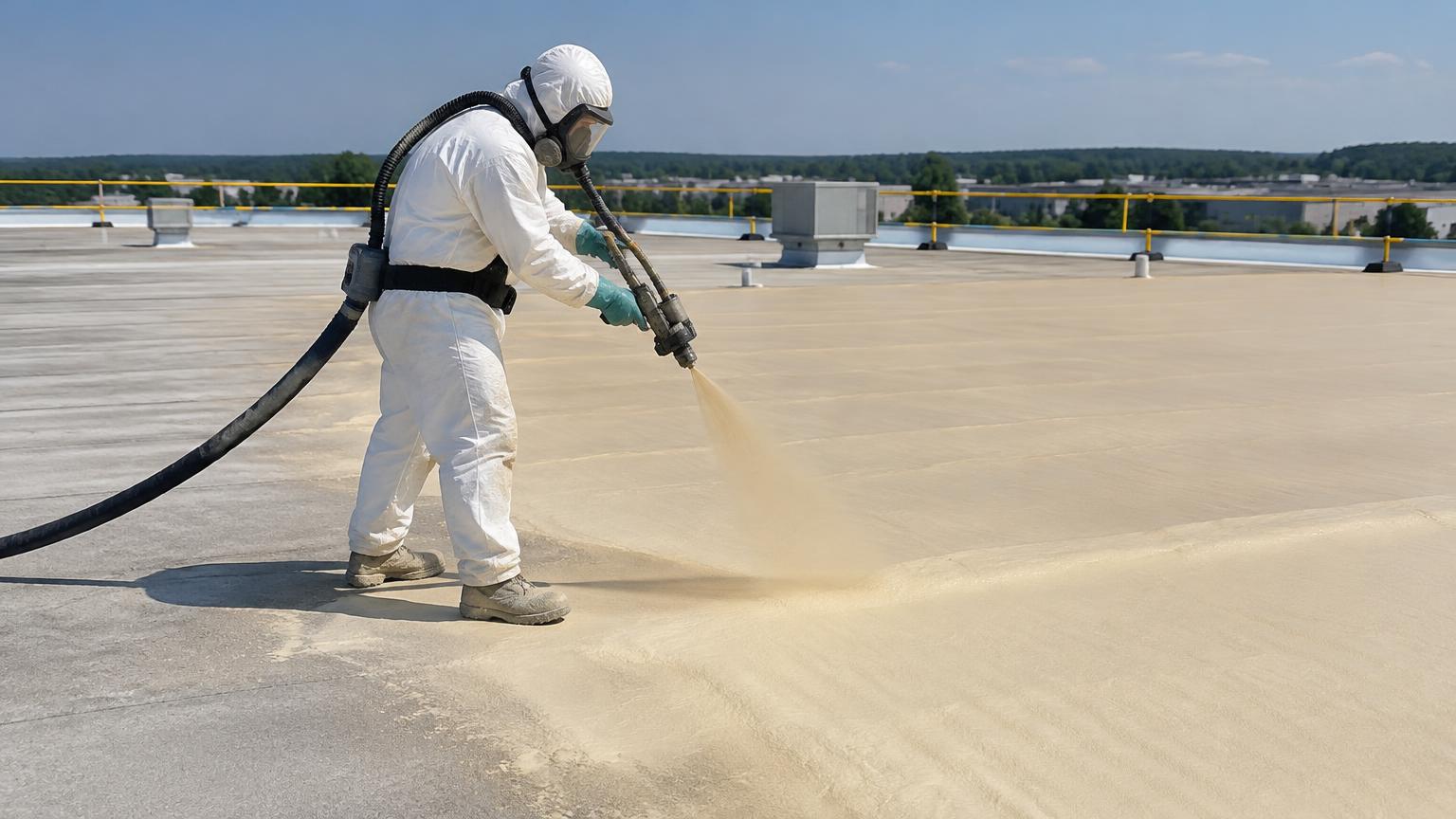
8 CCR 5144, 5155, 5194, 3382, 3384, 1514, 1730, 3203; 29 CFR 1910.134, 1926.501(b)(10); OSHA Isocyanates safety and health topic; International Fire Code (2024) Section 3504.2.1 (as locally adopted)
Awareness course on spray polyurethane foam roofing: A-side isocyanates and B-side blends, health effects and sensitization, California exposure limits, overspray and wind, restricted areas and re-entry, ventilation, respiratory protection, skin and eye protection, labels and safety data sheets, equipment and fire hazards, and falls, spills, and emergencies.
View course details →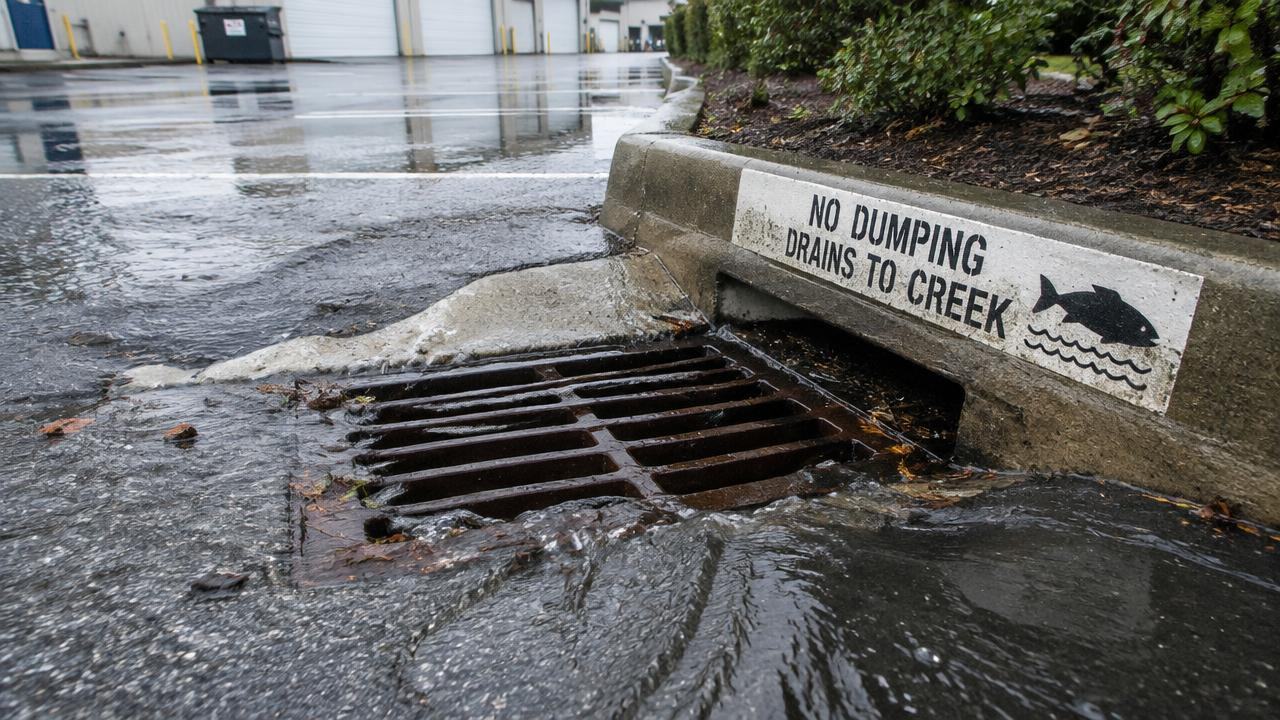
Clean Water Act Section 402; 40 CFR 122.26; EPA Multi-Sector General Permit; EPA Construction General Permit; state NPDES permits
Stormwater awareness: storm drains and illicit discharges, industrial and construction NPDES permits, the SWPPP, good housekeeping, spill response, erosion and sediment controls, concrete washout, inspections, corrective actions, and vehicle and fueling areas.
View course details →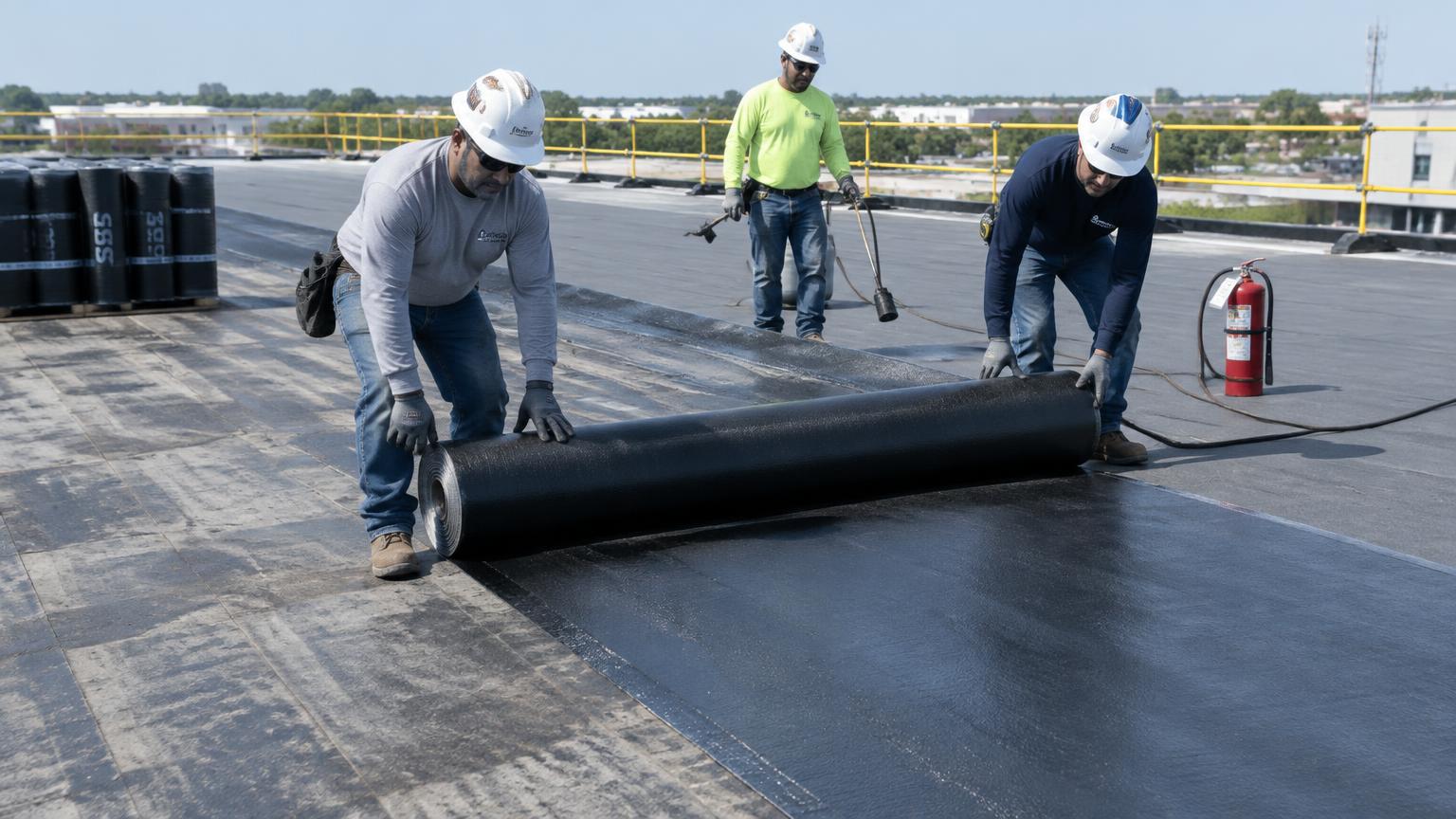
8 CCR 1725, 1726, 1727, 1740, 1512, 1514, 3382, 3384, 3395, 3203; 29 CFR 1926.150, 1926.153; International Fire Code (2024) Sections 303, 3305.10, 3504, 3505.6 (as locally adopted)
Awareness course on torch-applied and hot asphalt roofing: propane cylinder storage, securing, hoisting, connections and leaks, torch handling, hidden fire spread, fire watch and roof extinguishers, kettle placement and attendance, moving hot asphalt, burn protection and first aid, asphalt fumes and heat, and emergency response.
View course details →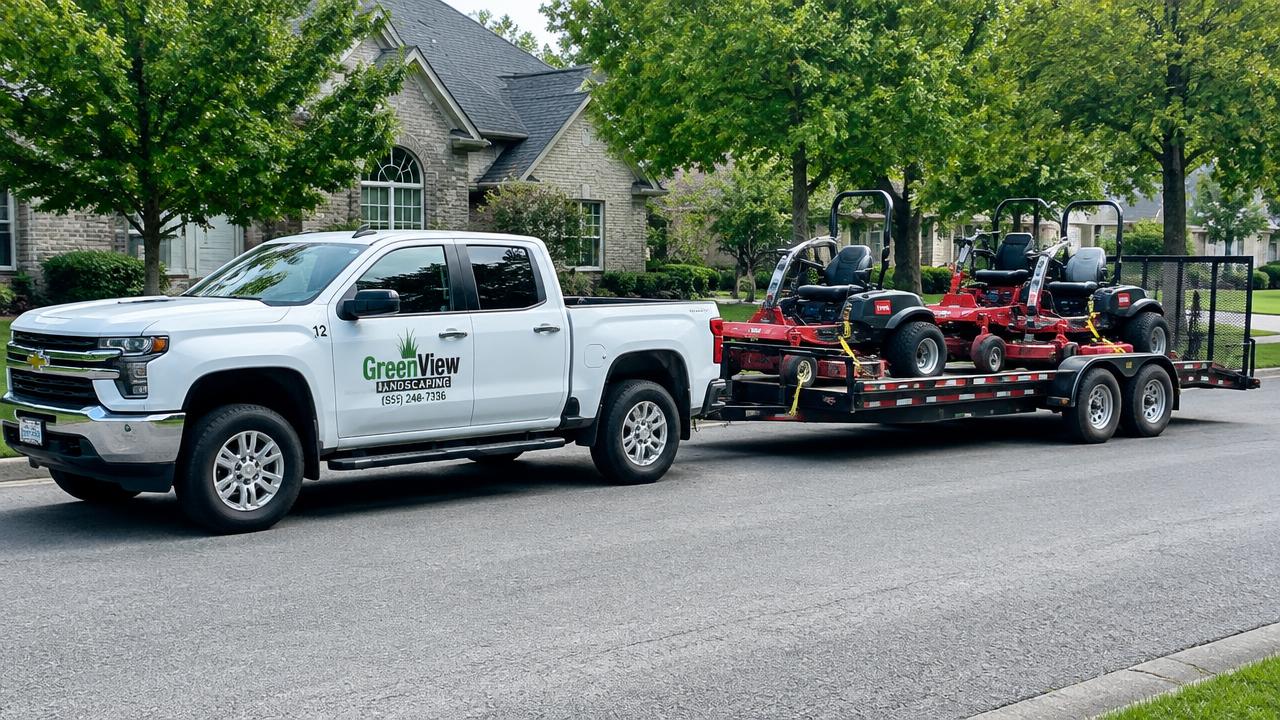
49 CFR 383.91, 390.5, 392.9, 393.9–393.11, 393.43, 393.70, 393.100–393.136, 396; California Vehicle Code §§22406, 23114, 29004; SAE J684
Weight ratings and tongue weight, coupling, safety chains, breakaway systems, lights and pre-trip checks, loading, tie-down ratings, how many tie-downs, securing heavy equipment and mowers, rechecking loads, driving, backing, commercial rules, and unhitching.
View course details →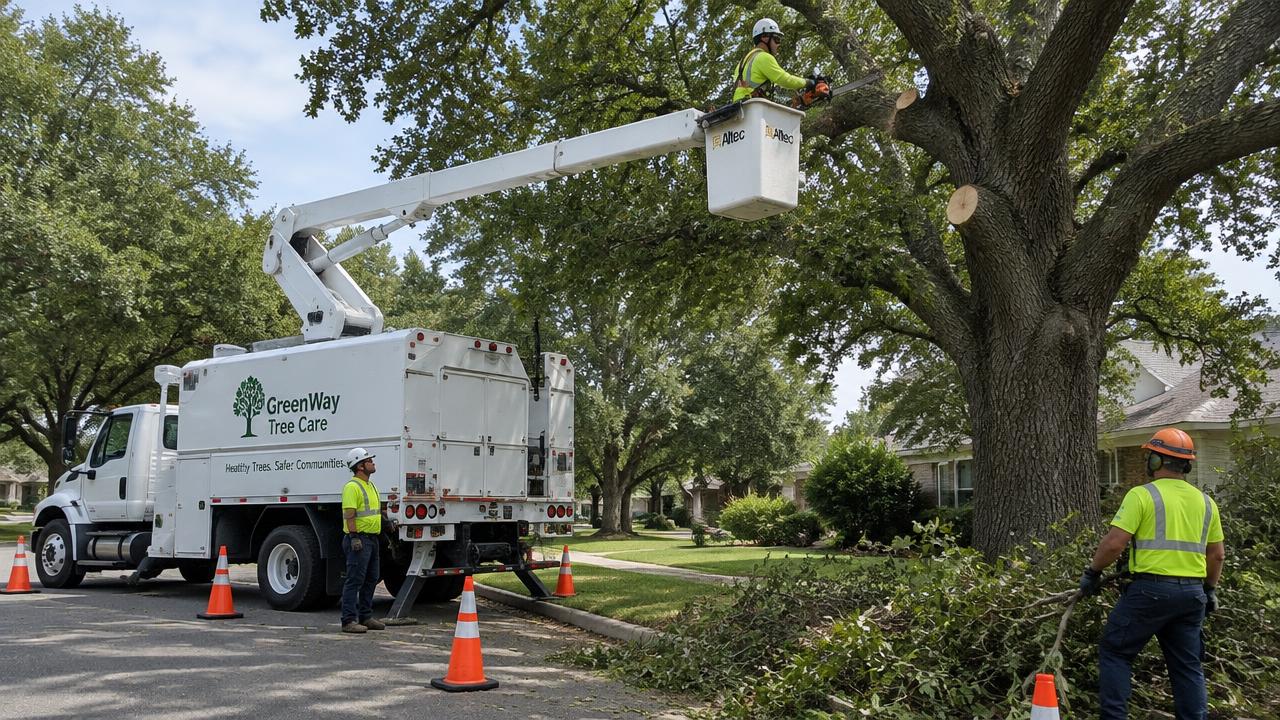
ANSI Z133-2026; 29 CFR 1910.67, 1910.132–.135, 1910.151, 1910.269, 1910.333; 8 CCR §2946; 8 CCR Article 12 (§§3420–3427), §3395
Tree work hazards, job briefings, protective equipment, work and drop zones, command-and-response, power-line distances and line-clearance limits, climbing, aerial lifts, chainsaws aloft, rigging, felling, traffic control, and emergencies.
View course details →OSHA 29 CFR 1926 Subpart P (1926.650–652)
Awareness training on trenching and excavation under OSHA Subpart P: cave-in hazards, the competent person, the five-foot rule, soil types and sloping, shoring and trench boxes, access and spoil, utilities, atmospheres, water, and stopping work.
View course details →
OSHA 29 CFR 1910.21–30
Awareness training on OSHA Subpart D: housekeeping and floor conditions, load limits, holes and openings, inspection and repair, unprotected edges and guardrails, stairs, fixed and portable ladders, dockboards, low-slope roofs, and fall hazard training.
View course details →
OSHA 29 CFR 1910.176; 1910.178; 1910.22; 1910.147; 1910.37
Recognize warehouse traffic, storage, dock, handling, conveyor, chemical, and emergency hazards, and apply employer-specific controls.
View course details →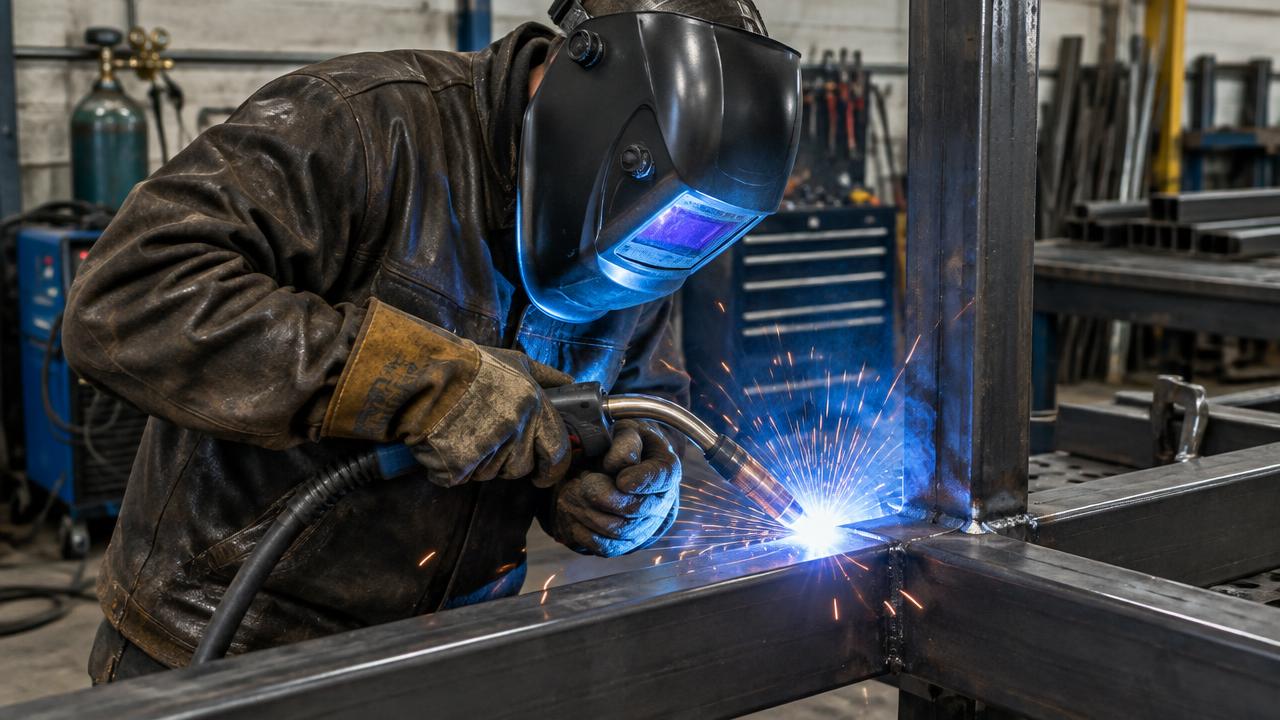
29 CFR 1910.251–255; 29 CFR 1926.350–354; ANSI Z49.1-2021; NFPA 51B (2024)
Arc radiation and eye protection, PPE, protecting others, fumes and hazardous metals, ventilation and confined spaces, electrical safety, the 35-foot rule, hot work permits and fire watch, cylinders, oxy-fuel equipment, and containers.
View course details →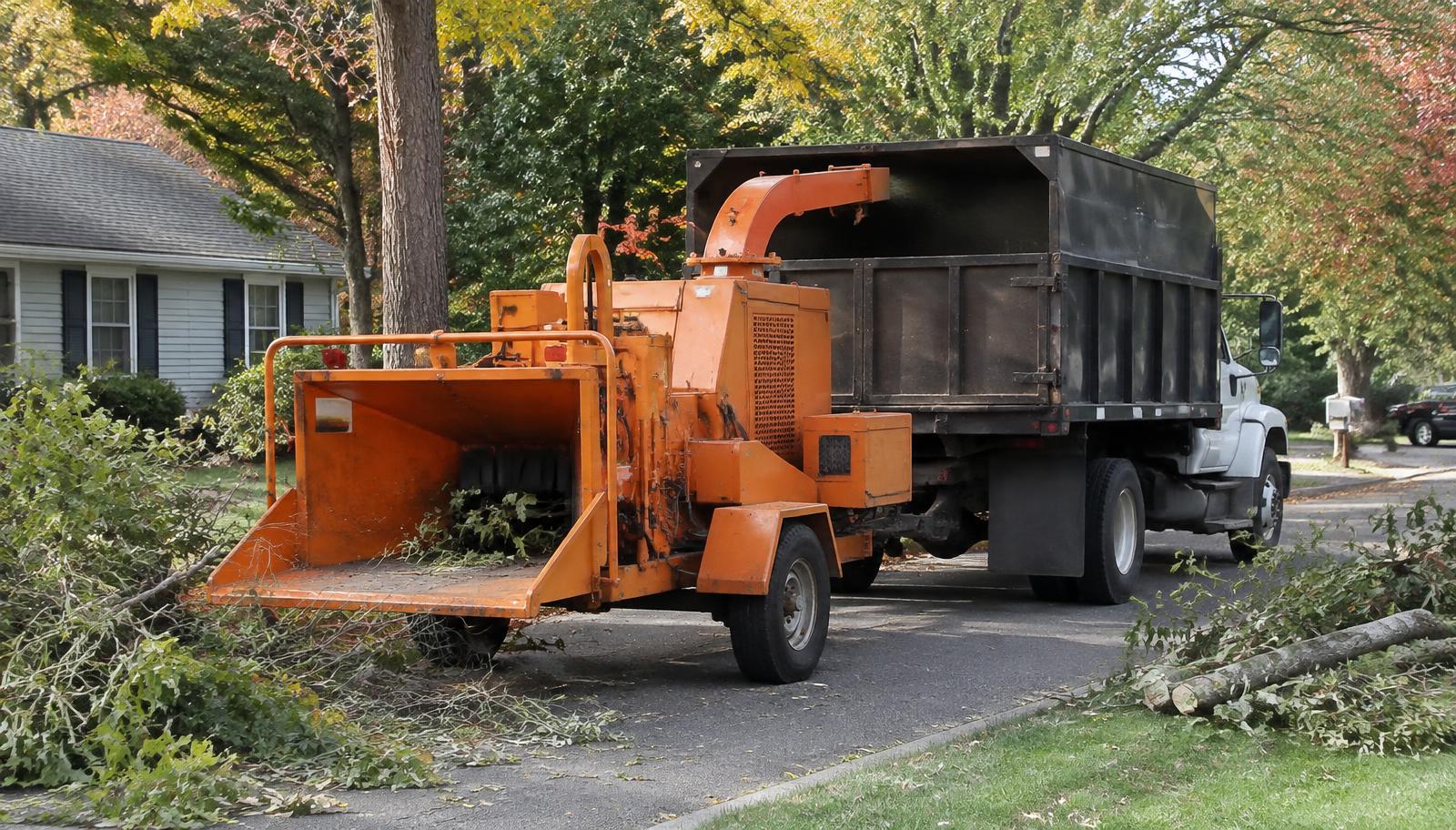
Wood Chipper Safety
9 min29 CFR 1910.212, 1910.147, 1910.132; 8 CCR §3424(c); OSHA SHIB 04-16-2008; ANSI Z133-2026
Why brush chippers are so deadly, protective gear and clothing, inspection, feeding from the side, never reaching in, discharge and work zones, clearing jams with lockout, and roadside setup.
View course details →
29 CFR 1910.213, 1910.242, 1926.304; 8 CCR 4296–4324, 3314; ANSI Z87.1-2025
Woodworking hazards and protections: blade contact, kickback, dust and noise, PPE and dress, guards and controls, table saws, kickback prevention, miter and radial arm saws, jointers, planers and band saws, portable power tools and nail guns, hand tools, dust, housekeeping and fire, and lockout for blade changes.
View course details →
CA Labor Code 6401.9 (SB 553); OSH Act General Duty Clause 5(a)(1)
The four types of workplace violence, California’s written plan, annual refresher, and interactive Q&A training requirements, warning signs, reporting without retaliation, de-escalation basics, higher-risk settings and controls, domestic violence and restraining orders, and post-incident logs and support.
View course details →SafeReel Training modules provide general safety awareness education. Completing a module does not by itself establish OSHA compliance or operator qualification; employers remain responsible for site-specific, equipment-specific, and hands-on training.
License terms: Individual purchases and subscriptions are licensed to one named person and may not be shared. Training records and certificates are issued to the account holder only. Training other employees requires team seats. Accounts used by multiple people may be signed out, limited, or suspended. Terms of Service · Refund Policy · Privacy Policy