29 CFR 1910.1000 Table Z-2; 29 CFR 1926.55; 29 CFR 1910.146; 29 CFR 1910.134
Hydrogen Sulfide (H₂S) Awareness
H2S properties, sources, health effects by concentration, OSHA and recommended limits, gas detection and bump testing, wind direction and evacuation, rescue dangers, respiratory protection, and confined spaces.
12 minutes10 scenes10-question quiz
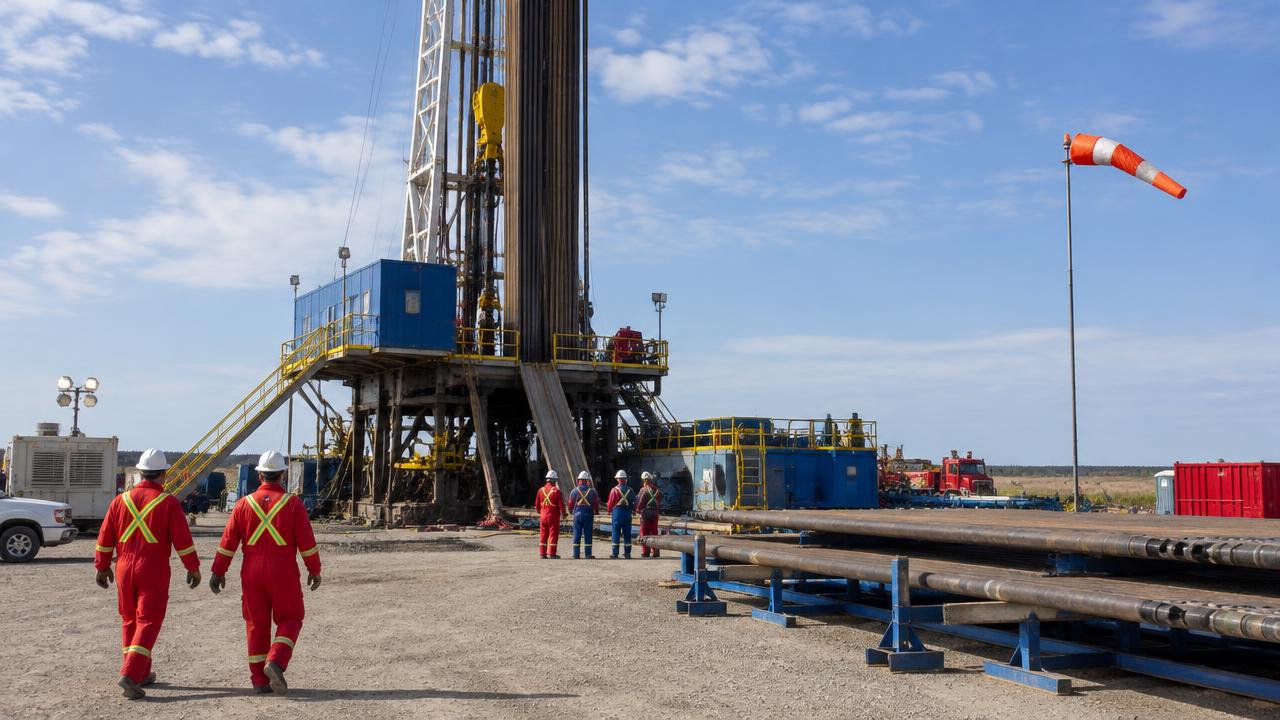
What's covered
- 1.Hydrogen Sulfide Awareness
- 2.Properties of H2S
- 3.Where H2S Is Found
- 4.Health Effects by Concentration
- 5.Exposure Limits
- 6.Gas Detection and Monitoring
- 7.Wind Direction and Evacuation
- 8.Rescue: Do Not Become a Victim
- 9.Respiratory Protection and Confined Spaces
- 10.Your Role and Your Site Program
Key takeaways
- H2S is toxic, flammable, and heavier than air; it collects in low areas.
- Never trust your nose: about 100 ppm paralyzes the sense of smell.
- 100 ppm is IDLH; very high levels cause collapse in one breath.
- OSHA: 20 ppm ceiling in general industry; 10 ppm TWA in construction.
- Wear a personal monitor and bump test it before each day’s use.
- On alarm, move upwind or crosswind to higher ground and muster.
- Never attempt rescue without SCBA and training.
- Site-specific training and often hands-on certification are still required.
Every course includes
Professional narration, synced captions, a knowledge-check quiz, completion records, and certificates of completion for team learners. Works on phone, tablet, and computer.
This is awareness-level training only. It does not certify, qualify, or authorize anyone to perform work and does not by itself establish compliance. The employer is responsible for site-specific training, hands-on verification, and work authorization.