OSHA 29 CFR 1910.140 / 1926.502(d)
Personal Fall Arrest Systems: Inspect, Anchor, Rescue
Deep-dive awareness training on personal fall arrest systems: the ABCs, pre-use inspection, harness fit, anchorage strength, connectors and lanyards, fall clearance, swing falls and sharp edges, prompt rescue, and removing equipment after a fall.
9 minutes9 scenes10-question quiz
What's covered
- 1.Personal Fall Arrest: The ABCs
- 2.Inspect Before Every Use
- 3.Harness Fit
- 4.Anchorage
- 5.Connectors and Lanyards
- 6.Fall Clearance
- 7.Swing Falls and Sharp Edges
- 8.Rescue
- 9.After a Fall, Training, and Recap
Key takeaways
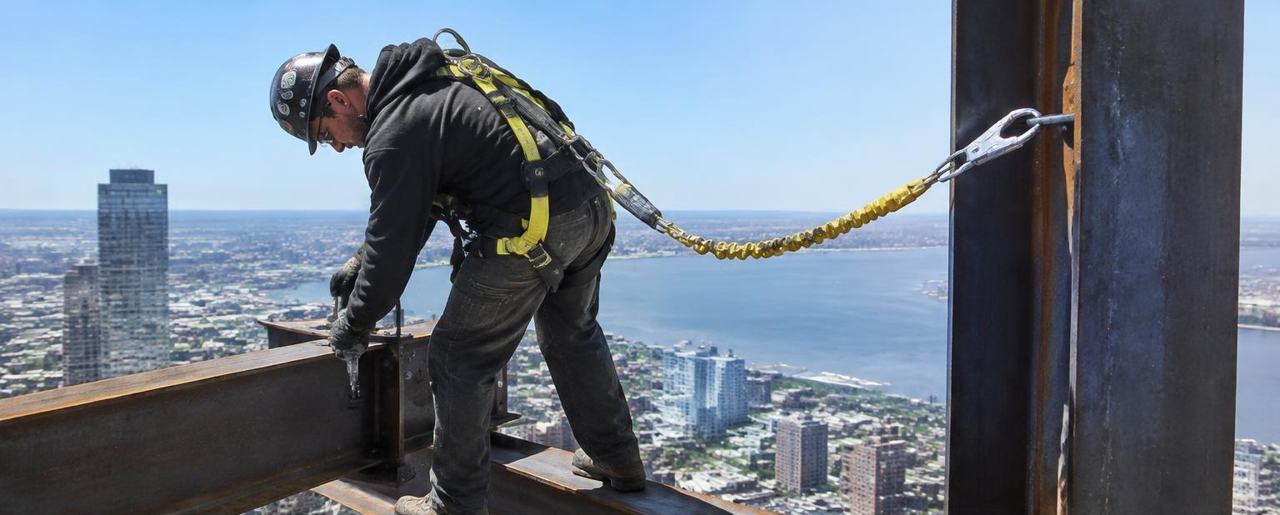
- Every system needs an anchorage, a full-body harness, and connectors, plus a rescue plan.
- Inspect your harness and lanyard before each shift.
- Body belts are not allowed for fall arrest.
- Wear the dorsal D-ring between your shoulder blades and keep leg straps snug.
- Anchors must hold 5,000 pounds per worker or be designed by a qualified person.
- Use automatic locking snap hooks and carabiners.
- Limit free fall to six feet and never contact the lower level.
- Work close to directly under your anchor to avoid swing falls.
- Rescue must be prompt; plan it before work starts.
- Remove any equipment that has arrested a fall until a competent person inspects it.
Every course includes
Professional narration, synced captions, a knowledge-check quiz, completion records, and certificates of completion for team learners. Works on phone, tablet, and computer.
This is awareness-level training only. It does not certify, qualify, or authorize anyone to perform work and does not by itself establish compliance. The employer is responsible for site-specific training, hands-on verification, and work authorization.