OSHA 29 CFR 1910.242(a) · 1926.301
Hand Tool Safety: Select, Inspect, Use
Covers manual tools, defect recognition, PPE, safe use, transport, storage, and falling-object prevention. General-industry and construction requirements are identified separately. Illustrative media must be supplemented with manufacturer instructions and site-specific hands-on training.
7 minutes12 scenes9-question quiz
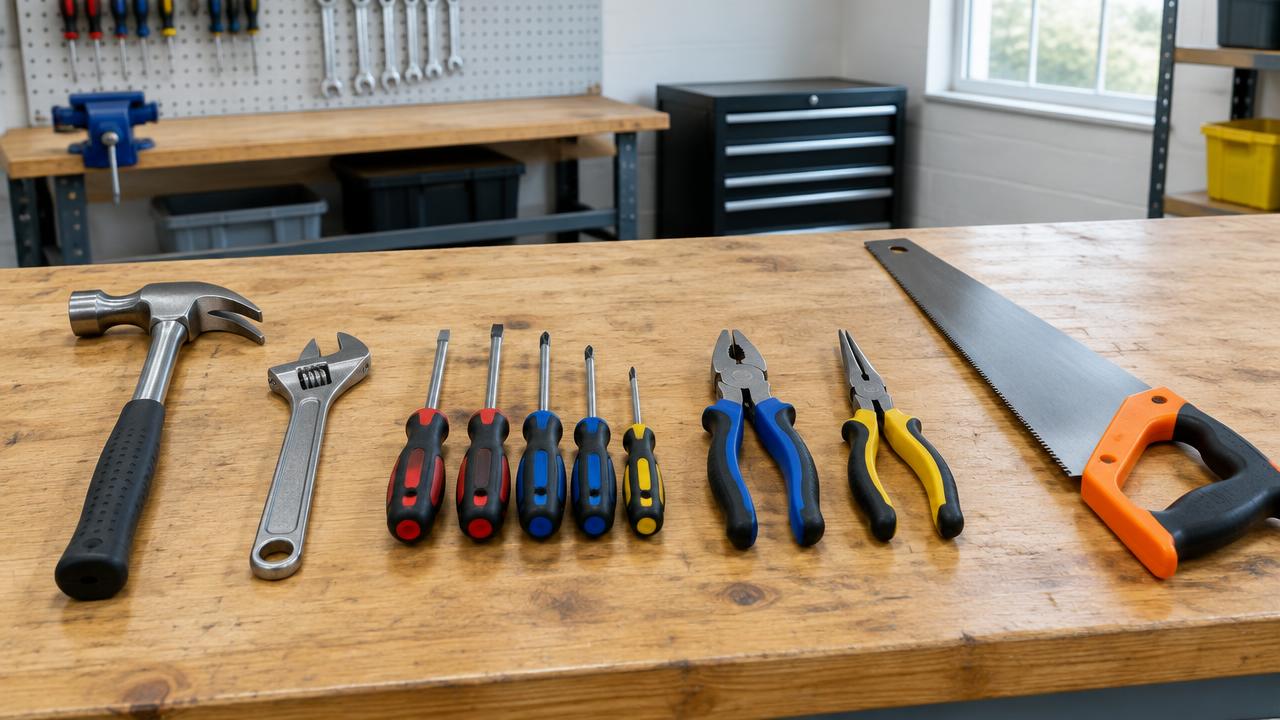
What's covered
- 1.Hand Tools: Small Tools, Real Risks
- 2.Choose the Right Tool
- 3.Inspect and Remove Damaged Tools
- 4.Protect Eyes, Hands, and Bystanders
- 5.Wrenches: Fit Before Force
- 6.Screwdrivers: Control the Point
- 7.Striking Tools: Check Both Ends
- 8.Manual Cutting: Secure and Separate
- 9.Carry Tools Without Creating Hazards
- 10.Clean, Maintain, and Store
- 11.Tools at Height: Protect People Below
- 12.Recap: Select, Inspect, Control, Store
Key takeaways
- Choose the correct tool and size; never improvise substitutes.
- Inspect before use and remove defective tools.
- Reject cracked handles, slipping jaws, and mushroomed impact heads.
- Secure the work and keep people clear of slip, swing, and cutting paths.
- Use hazard-matched PPE and verify electrical suitability separately.
- Carry and store tools securely, with sharp edges protected.
- Apply site-specific falling-object controls when working at height.
Every course includes
Professional narration, synced captions, a knowledge-check quiz, completion records, and certificates of completion for team learners. Works on phone, tablet, and computer.
This is awareness-level training only. It does not certify, qualify, or authorize anyone to perform work and does not by itself establish compliance. The employer is responsible for site-specific training, hands-on verification, and work authorization.