OSH Act Section 5(a)(1); 29 CFR 1904; 8 CCR 5110; NIOSH guidance
Office Ergonomics Awareness
Office ergonomics awareness: how musculoskeletal disorders develop, the five risk factors, neutral posture, chair and workstation setup, monitor and input device placement, lighting and eye strain, mobile work, movement and microbreaks, office lifting, and early symptom reporting.
What's covered
- 1.Ergonomics in the Office
- 2.How Musculoskeletal Disorders Develop
- 3.The Five Risk Factors
- 4.Neutral Posture: The Foundation
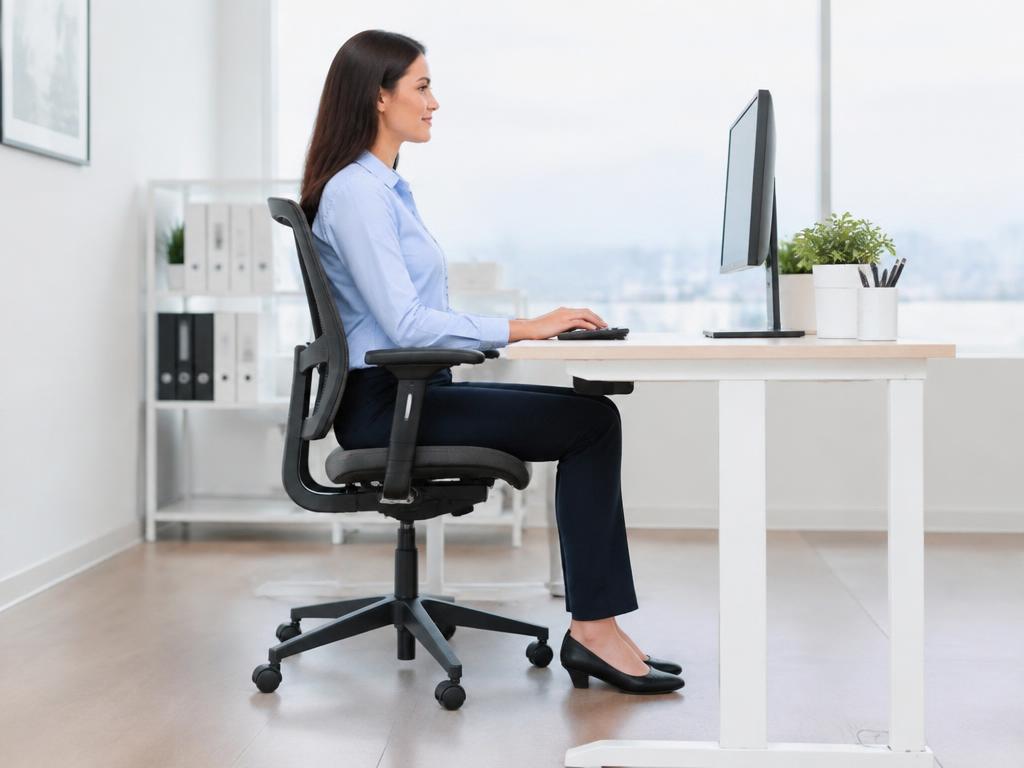
- 5.Setting Up Your Chair
- 6.Monitor, Keyboard, and Mouse
- 7.Lighting, Glare, and Eye Strain
- 8.Phones, Tablets, and Mobile Work
- 9.Movement, Microbreaks, and Stretching
- 10.Lifting and Carrying in the Office
- 11.Early Signs and Why Reporting Matters
- 12.Scenario: The Wrist That Went Numb
- 13.Scenario: The Standing Desk Used Wrong
- 14.Scenario: The Home Office on the Couch
- 15.Putting It Together: Your Daily Ergonomic Habits
Key takeaways
- Musculoskeletal disorders develop gradually from force, repetition, awkward posture, contact stress, and static loading.
- Adjust the chair first, keep joints neutral, and place the screen at eye level with the mouse close.
- The best posture is your next posture: change position and take microbreaks throughout the day.
- Early symptoms are reversible; report aching, tingling, or numbness promptly instead of self-treating in silence.
- Completing this course does not make a workplace compliant; employers must evaluate workstations and control hazards.
Every course includes
Professional narration, synced captions, a knowledge-check quiz, completion records, and certificates of completion for team learners. Works on phone, tablet, and computer.
This is awareness-level training only. It does not certify, qualify, or authorize anyone to perform work and does not by itself establish compliance. The employer is responsible for site-specific training, hands-on verification, and work authorization.