OSH Act Section 5(a)(1); 29 CFR 1904; 8 CCR 5110; NIOSH/CPWR guidance; ANSI/ASSP A10.46
Construction Ergonomics Awareness
Construction ergonomics awareness: musculoskeletal risk factors in the trades, material planning and staging, lifting and carrying, hand tools and vibration, overhead and kneeling work, masonry platforms, rebar and repetitive hand work, warm-up and microbreaks, and early symptom reporting.
What's covered
- 1.Ergonomics in Construction
- 2.Risk Factors on the Job Site
- 3.Planning and Staging: Ergonomics Before the Work Starts
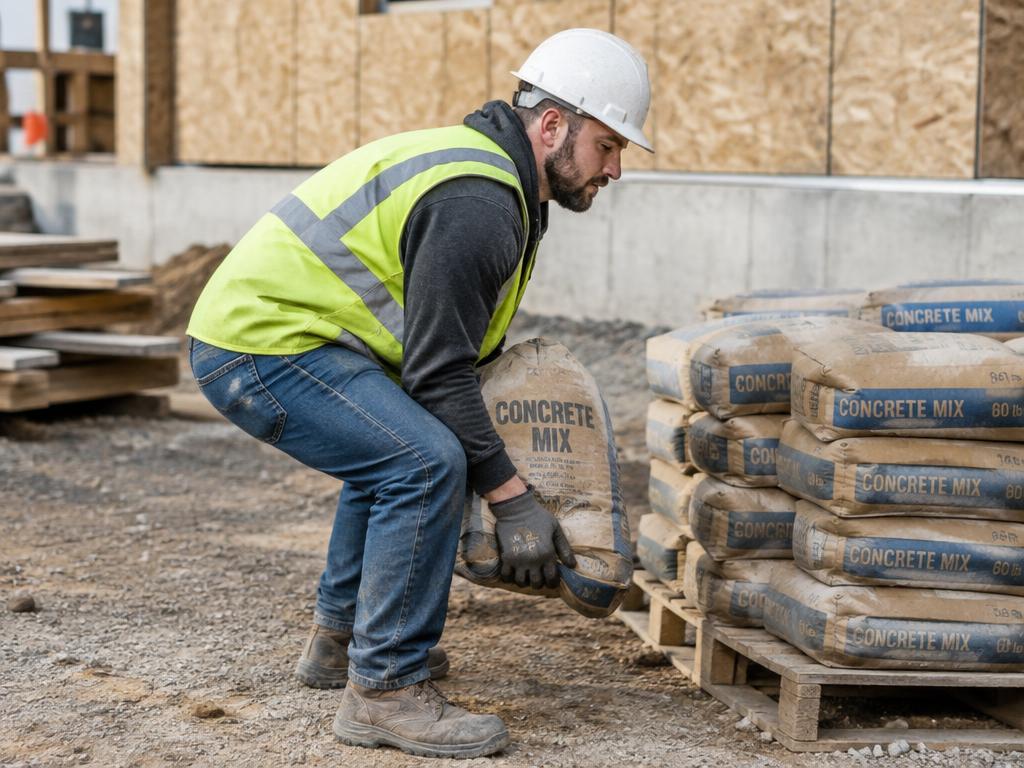
- 4.Lifting and Carrying Building Materials
- 5.Hand Tools and Vibration in the Trades
- 6.Overhead Work
- 7.Kneeling and Floor-Level Work
- 8.Masonry, Concrete, and Adjustable Work Platforms
- 9.Rebar, Rodbusting, and Repetitive Hand Work
- 10.Warm-Up, Stretching, and Microbreaks
- 11.Early Symptoms and Speaking Up
- 12.Scenario: The Block Wall
- 13.Scenario: The Overhead Drilling
- 14.Scenario: The Quiet Apprentice
- 15.Putting It Together: Building Without Wearing Out
Key takeaways
- Construction MSDs are cumulative: ten thousand ordinary lifts, not one dramatic one, end careers.
- Plan delivery and staging so materials land close to the work at waist height before anyone lifts.
- Move the work, the platform, or the material into the power zone — never endure hours bent over or overhead.
- Vibration and early symptoms like tingling and morning stiffness are report-now warnings, not the price of the trade.
- Completing this course does not make a workplace compliant; employers must address hazards and run prevention programs.
Every course includes
Professional narration, synced captions, a knowledge-check quiz, completion records, and certificates of completion for team learners. Works on phone, tablet, and computer.
This is awareness-level training only. It does not certify, qualify, or authorize anyone to perform work and does not by itself establish compliance. The employer is responsible for site-specific training, hands-on verification, and work authorization.