49 CFR 383.91, 390.5, 392.9, 393.9–393.11, 393.43, 393.70, 393.100–393.136, 396; California Vehicle Code §§22406, 23114, 29004; SAE J684
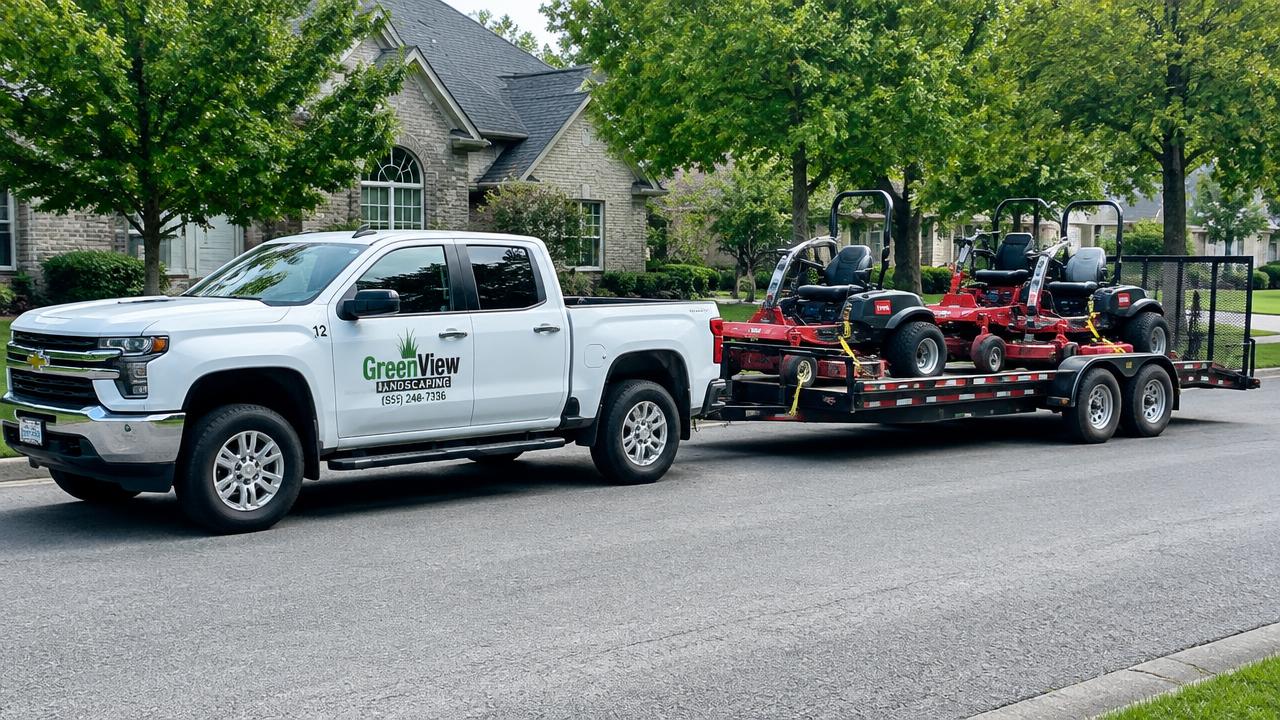
Trailer Towing and Equipment Hauling
Weight ratings and tongue weight, coupling, safety chains, breakaway systems, lights and pre-trip checks, loading, tie-down ratings, how many tie-downs, securing heavy equipment and mowers, rechecking loads, driving, backing, commercial rules, and unhitching.
What's covered
- 1.Trailer Towing and Equipment Hauling
- 2.Know Your Weight Ratings
- 3.Coupling the Trailer
- 4.Safety Chains
- 5.Breakaway Systems
- 6.Lights, Tires, and Pre-Trip Check
- 7.Loading Equipment
- 8.Tie-Down Ratings
- 9.How Many Tie-Downs
- 10.Securing Heavy Equipment
- 11.Securing Mowers, Tools, and Debris
- 12.Check the Load on the Road
- 13.Driving With a Trailer
- 14.Backing and Parking
- 15.Larger Trucks and Commercial Rules
- 16.Unhitching and Review
Key takeaways
- Never exceed the lowest weight rating in your setup.
- Match the ball to the coupler, latch it, pin it, and test it.
- Cross safety chains under the tongue and attach them to the truck, not the ball.
- Connect the breakaway cable separately and keep its battery charged.
- Tie-downs together must be rated for at least half the cargo weight; heavy equipment needs four.
- Lower attachments, set brakes, and secure every mower, tool, and load.
- Recheck tie-downs early in the trip and at every stop.
Every course includes
Professional narration, synced captions, a knowledge-check quiz, completion records, and certificates of completion for team learners. Works on phone, tablet, and computer.
This is awareness-level training only. It does not certify, qualify, or authorize anyone to perform work and does not by itself establish compliance. The employer is responsible for site-specific training, hands-on verification, and work authorization.