49 CFR 177.816–177.854, 172.704, Parts 383, 392, 393, 396, 397, 180.407, 171.15–171.16
DOT Hazmat Driver Training: Highway Transport of Hazardous Materials
Hazmat driver training under 49 CFR 177.816: CDL hazmat endorsement and permits, shipping papers in the cab, placards, pre-trip and tire checks, controls and emergency equipment, surge and rollover, railroad crossings, tunnels and routing, attendance, parking and fueling, smoking and fires, loading, securement and segregation, cargo tank transfer attendance and inspections, incidents and reporting, and en route security. Does not replace a CDL, endorsements, entry-level driver training, or employer evaluation.
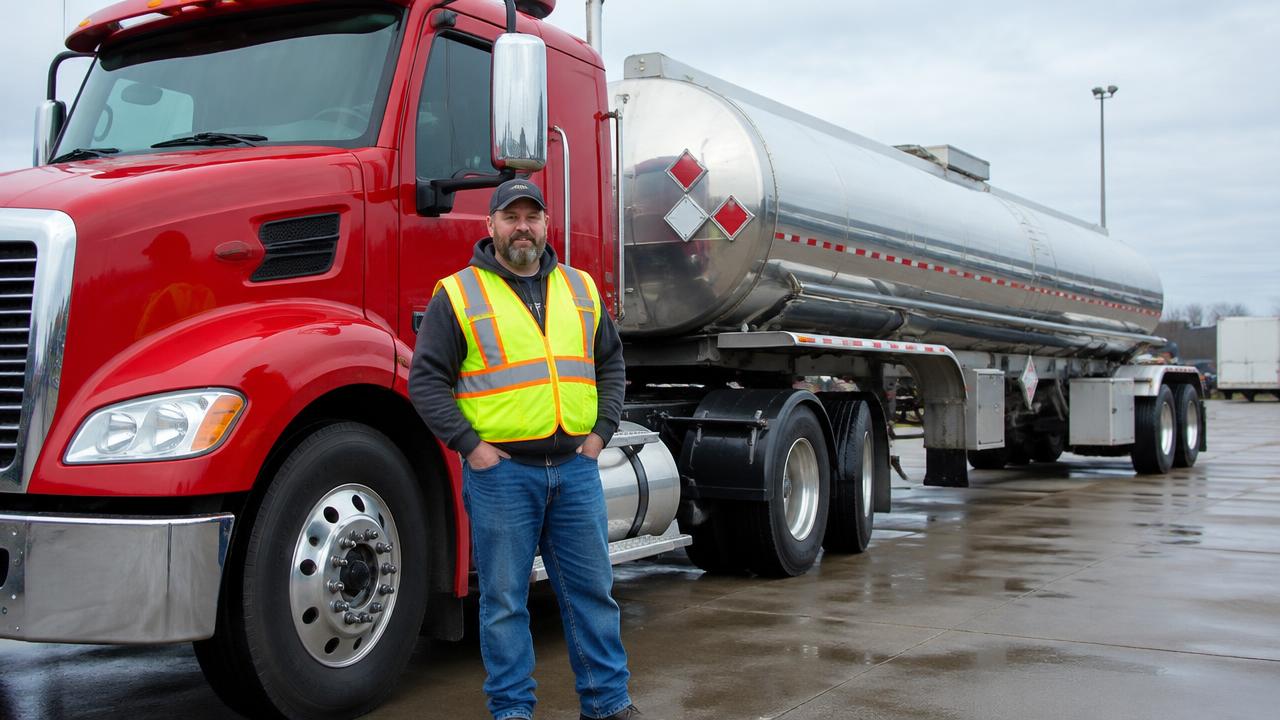
What's covered
- 1.DOT Hazmat Driver Training
- 2.License, Endorsement, and Registration
- 3.Shipping Papers in the Cab
- 4.Placards and Markings
- 5.Pre-Trip Inspection
- 6.Controls and Emergency Equipment
- 7.Handling, Stability, and Rollover
- 8.Railroad Crossings
- 9.Tunnels, Bridges, and Routing
- 10.Attending the Vehicle
- 11.Parking and Fueling
- 12.Smoking and Fires
- 13.Loading, Securement, and Segregation
- 14.Cargo Tank Loading and Unloading
- 15.Cargo Tank Inspections and Markings
- 16.Incidents and Emergency Response
- 17.Security on the Road
- 18.Recap and Training Records
Key takeaways
- Hazmat drivers need function-specific training under 49 CFR 177.816.
- Keep shipping papers within reach, tabbed or on top, with emergency information.
- Confirm placards on all four sides match the shipping papers.
- Check tires at every trip start and every stop with a placarded load.
- Stop 15 to 50 feet from railroad tracks and do not shift while crossing.
- Attend cargo tanks within 25 feet during transfer; close everything before moving.
- After an incident, protect people, give responders your papers, and notify your carrier.
Every course includes
Professional narration, synced captions, a knowledge-check quiz, completion records, and certificates of completion for team learners. Works on phone, tablet, and computer.
This is awareness-level training only. It does not certify, qualify, or authorize anyone to perform work and does not by itself establish compliance. The employer is responsible for site-specific training, hands-on verification, and work authorization.