OSHA 29 CFR 1910.178; construction applicability: 29 CFR 1926.602(c) and (d)
Forklift Operator Safety: Inspect, Control, and Protect
This module explains forklift operator qualification, inspections, stability, load handling, pedestrian protection, travel, and shutdown. It follows OSHA 29 CFR 1910.178 and identifies the construction-specific connection without replacing required hands-on training and workplace evaluation.
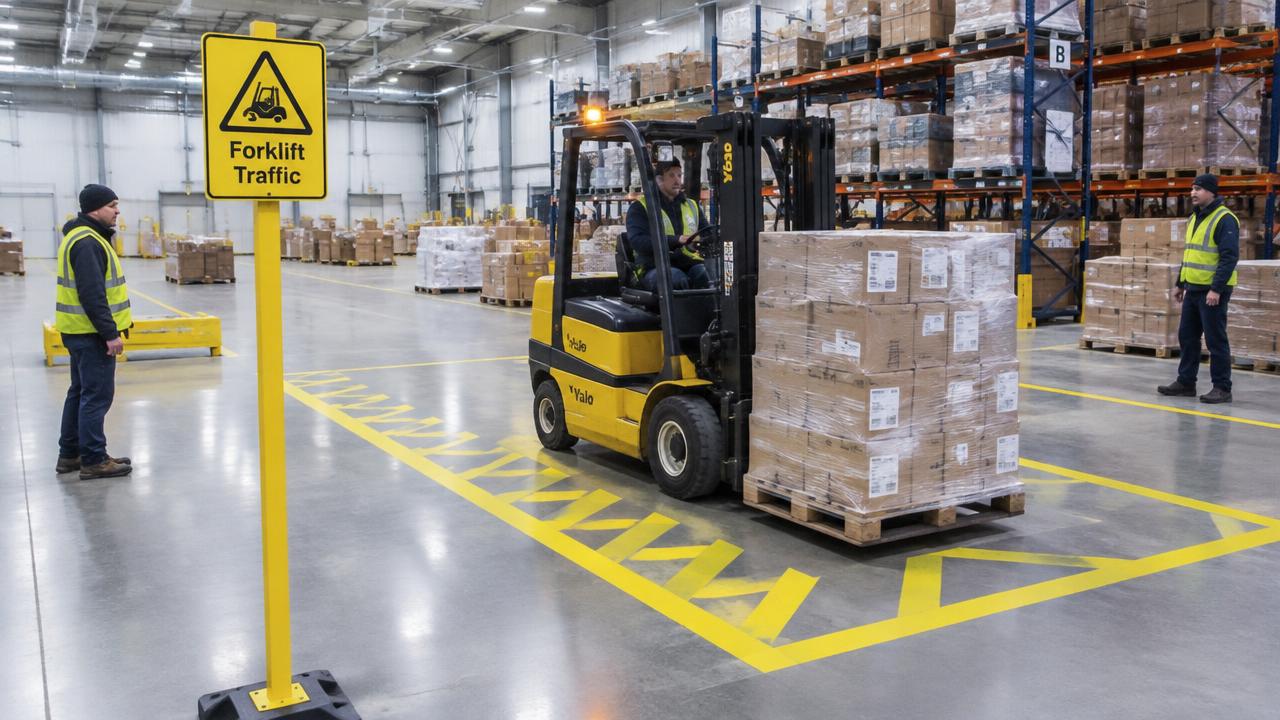
What's covered
- 1.Forklift Safety Starts Before Movement
- 2.Training, Evaluation, and Authorization
- 3.Inspect Before Putting the Truck Into Service
- 4.Understand Capacity and Stability
- 5.Pick Up and Place Loads Safely
- 6.Separate Forklifts and Pedestrians
- 7.Travel With Visibility and Control
- 8.Grades, Docks, Trailers, and Site Surfaces
- 9.Prevent Overturns and Crushing
- 10.Fueling, Charging, and Exhaust Hazards
- 11.Park and Secure the Truck
- 12.The Standards Behind the Rules: OSHA and ANSI B56.1
- 13.Attachments Change Capacity
- 14.Operating Rules: Tracks, Aisles, and Elevators
- 15.When a Truck Needs Repair, It Stops
- 16.Protect Racking and Stored Loads
- 17.Reach Trucks, Order Pickers, and Other Truck Types
- 18.Refresher Training: When Retraining Is Required
- 19.Scenarios: Apply the Rules
- 20.Recap: Make the Safe Decision Every Time
Key takeaways
- Operate independently only after required training and a successful workplace performance evaluation.
- Inspect before service, at least daily, and after each shift for round-the-clock use; remove unsafe trucks from service.
- Use the capacity plate for the actual truck and attachment, and handle only stable loads within rated capacity.
- Travel with a clear view, controlled speed, and a low, stable load; protect pedestrians from crushing and rear swing.
- Check grades, dockboards, trailer security, and ground conditions before entering hazardous areas.
- Use installed restraints and follow truck-specific fueling, charging, and emergency procedures.
- Lower forks, neutralize controls, and set brakes before leaving the operating position; shut off power when unattended.
- Attachments change capacity: use only approved attachments and follow the re-marked data plate.
- Defective trucks come out of service immediately; only qualified, authorized people make repairs.
- Refresher training follows accidents, near misses, unsafe operation, new truck types, or workplace changes, with re-evaluation at least every three years.
Every course includes
Professional narration, synced captions, a knowledge-check quiz, completion records, and certificates of completion for team learners. Works on phone, tablet, and computer.
This is awareness-level training only. It does not certify, qualify, or authorize anyone to perform work and does not by itself establish compliance. The employer is responsible for site-specific training, hands-on verification, and work authorization.