OSH Act Section 5(a)(1) General Duty Clause; OSHA and NIOSH cold stress guidance
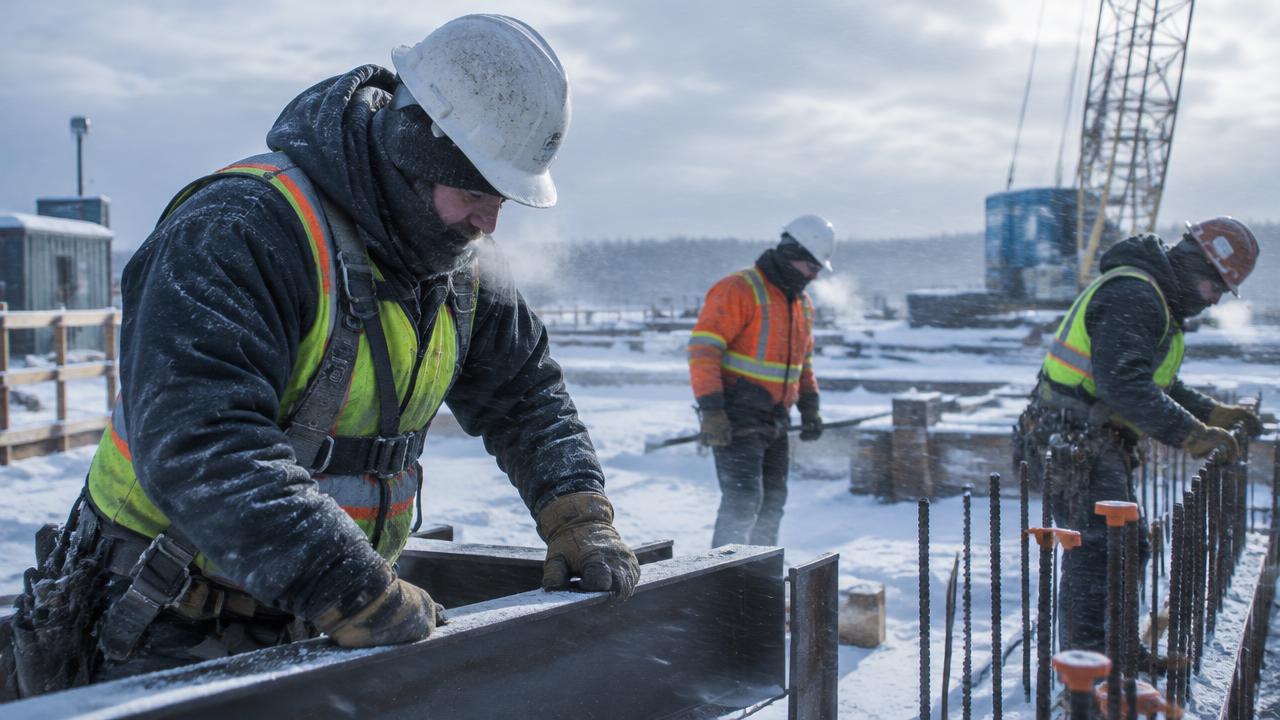
Cold Stress Prevention
Cold stress risk factors, hypothermia, frostbite, trench foot and chilblains, first aid, layered clothing, safe work practices, freezers, ice, carbon monoxide from heaters, and employer and worker responsibilities.
10 minutes8 scenes10-question quiz
What's covered
- 1.Cold Stress Awareness
- 2.Hypothermia
- 3.Frostbite
- 4.Trench Foot and Chilblains
- 5.Dressing for the Cold
- 6.Safe Work Practices in Cold Weather
- 7.Freezers, Ice, and Other Cold Hazards
- 8.Employer and Worker Responsibilities
Key takeaways
- Cold, wind, and wetness together cause cold stress, even above freezing.
- Hypothermia: shivering, confusion, slurred speech; shivering that stops is a danger sign.
- Warm the body core first and call 911 for hypothermia.
- Frostbite: never rub or apply direct heat; seek medical care.
- Wet feet can cause trench foot at temperatures up to about 60°F.
- Dress in three layers and avoid cotton next to the skin.
- Take warm breaks, use the buddy system, and avoid alcohol.
- Watch for ice, freezer hazards, and carbon monoxide from heaters.
Every course includes
Professional narration, synced captions, a knowledge-check quiz, completion records, and certificates of completion for team learners. Works on phone, tablet, and computer.
This is awareness-level training only. It does not certify, qualify, or authorize anyone to perform work and does not by itself establish compliance. The employer is responsible for site-specific training, hands-on verification, and work authorization.