29 CFR 1910.178, 1926.602; 8 CCR 3650, 3653, 3657, 3668, 2946; ANSI/ITSDF B56.6-2021
Rough Terrain Forklift Safety
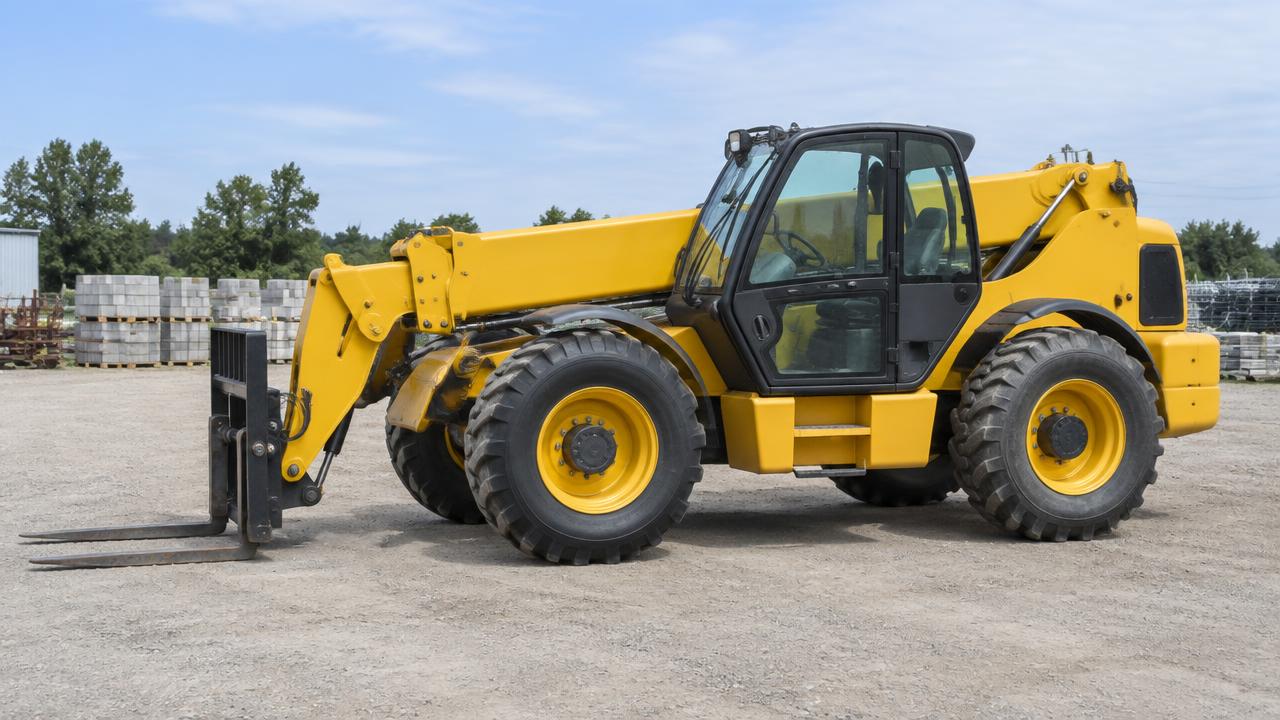
Standalone awareness course on telehandlers and straight-mast rough terrain forklifts: inspection, restraints, variable-reach load charts, soft ground, slopes, frame leveling, stabilizers, pedestrians, power lines, attachments, personnel-platform restrictions, refueling and trailer transport. No prerequisite course; does not qualify or authorize operators.
What's covered
- 1.Rough Terrain Forklift Safety: Scope
- 2.Pre-Use Inspection
- 3.Entry, Restraints and Controls
- 4.Load Weight, Load Center and Charts
- 5.Ground, Slopes and Rollover Hazards
- 6.Frame Leveling and Stabilizers
- 7.Picking Up, Carrying and Placing Loads
- 8.Pedestrians, Visibility and Spotters
- 9.Power Lines and Overhead Clearance
- 10.Attachments, Suspended Loads and People
- 11.Parking, Refueling and Trailer Transport
- 12.Employer Training and Final Takeaways
Key takeaways
- Inspect before service and at required shift intervals; keep unsafe equipment out of service until safe.
- Use the restraint and protective structure; learn the actual controls and steering modes.
- Know load weight and load center; use the exact truck/attachment chart for the entire lift.
- Assess ground and edges; follow model-specific slope, leveling and stabilizer instructions.
- Carry supported loads low, keep people clear, and stop if the spotter or safe view is lost.
- Determine electrical clearance before work; ten feet is not sufficient for every line.
- Use approved attachments and specialized procedures; never lift people on bare forks or improvised platforms.
- Plan transport and securement separately; awareness training never replaces practical training, evaluation and employer authorization.
Every course includes
Professional narration, synced captions, a knowledge-check quiz, completion records, and certificates of completion for team learners. Works on phone, tablet, and computer.
This is awareness-level training only. It does not certify, qualify, or authorize anyone to perform work and does not by itself establish compliance. The employer is responsible for site-specific training, hands-on verification, and work authorization.